
Key takeaways
What is Cashmere? Origin and Production
Cashmere is a fine hair fiber obtained from the soft undercoat of the cashmere goat. This undercoat protects the animals in the cold high altitudes of their homeland and is combed out in spring during shedding. The main regions of origin are Mongolia, China, and the Himalayan highlands. Since a single animal yields only a small amount of undercoat per year, cashmere is comparatively rare.
In contrast to classic virgin wool, which comes from sheep, cashmere is considered an animal hair with a particularly fine diameter. The term "cashmere wool" is often used colloquially, but it always refers to this fine goat hair. This very fineness is the basis for the fiber's typical characteristics.
Properties of Cashmere
Cashmere combines several properties that make the material attractive for high-quality clothing. The fiber insulates very well and keeps you warm without being heavy. At the same time, it is soft and comfortable against the skin. Because the fiber diameter is very small, cashmere generally does not scratch, even when worn directly on the skin.
In addition, it offers good moisture regulation: The fiber absorbs and releases moisture, creating a pleasant temperature balance. This combination of warmth, lightness, and softness explains why cashmere is valued for sweaters, cardigans, scarves, and coats.
Recognizing Cashmere Quality: What to Look for When Buying
Not all cashmere is the same. Quality determines how soft a piece feels, how prone it is to pilling, and how long it stays beautiful. Five characteristics reliably provide information.
Fiber Length
Longer fibers can be spun more stably, are less prone to pilling, and ensure greater longevity. Short fibers, on the other hand, lead more quickly to knots and a rougher feel.
Fiber Fineness
Fiber diameter is measured in microns. Fine cashmere is typically around 14 to 16 microns. The finer the fiber, the softer the finished fabric will be and the more comfortable it will feel against the skin.
Ply
Ply describes how many yarns are twisted together to form a thread. Two-ply cashmere is denser, more dimensionally stable, and more durable than single-ply goods.
Gram Weight
The fabric weight indicates the density of the knit. A higher gram weight generally means a denser, warmer, and more robust knit.
Origin and Processing
Cashmere from traditional regions and with clean processing is usually more durable. Look for a uniform knit pattern, neat seams, and a dense, closed feel.
-
Long fibers for less pilling and more durability
-
Fine fiber of about 14 to 16 microns for softness
-
Two-ply processing for density and dimensional stability
-
Appropriate gram weight for a dense, warm knit
-
Clean processing with a uniform knit pattern and closed feel
Pro Tip: Test high-quality cashmere with a simple test. Squeeze the fiber briefly in your hand and then release. High-quality cashmere springs back into shape quickly and feels soft, not flat. Gently rub two layers together: If lint comes off immediately, it indicates shorter fibers and lower quality.
Cashmere and Merino Wool Compared
Cashmere and merino wool are both fine natural fibers, but they differ in detail. Cashmere is finer, lighter, and warmer for less weight, but it is also more delicate. Merino wool is a bit more robust and elastic, holds its shape well, and is easier to care for in everyday life. For particularly soft, warm pieces, cashmere is suitable; for durable knits for frequent wear, merino wool is a good choice. Detailed information can be found in the guide to merino wool.
How to Wash and Care for Cashmere Correctly: Step by Step
Cashmere can be gently cleaned if you proceed carefully. The following five steps will maintain its softness and shape.
Prepare. Turn the garment inside out and check the care label. The information on the label is always decisive.
Wash. Hand wash the cashmere sweater or use the wool wash cycle at a low temperature, and use a mild wool detergent or a special cashmere detergent.
Remove water. Do not wring the knitwear; instead, gently press out the water so that the fine fiber does not felt.
Dry. Lay the garment flat in shape on a towel instead of hanging it, so it doesn't stretch out of shape.
After-treatment and storage. Gently remove pilling with a cashmere comb or fabric shaver. Store cashmere folded, not on a hanger, and protect it with moth deterrents like cedarwood or lavender.
Pro Tip: Only wash cashmere when necessary. Frequent airing outdoors often sufficiently freshens up a cashmere sweater between wears and protects the fiber.
Styling Cashmere
A cashmere sweater can be combined in many ways and integrates well into a sophisticated, high-quality wardrobe. In muted natural tones such as camel, navy, grey, or anthracite, cashmere appears understated and timeless. A cashmere sweater can be worn with a shirt, under a blazer, or alone with chinos. This understated approach aligns with the principle of quiet luxury, where material quality is more important than visible logos.
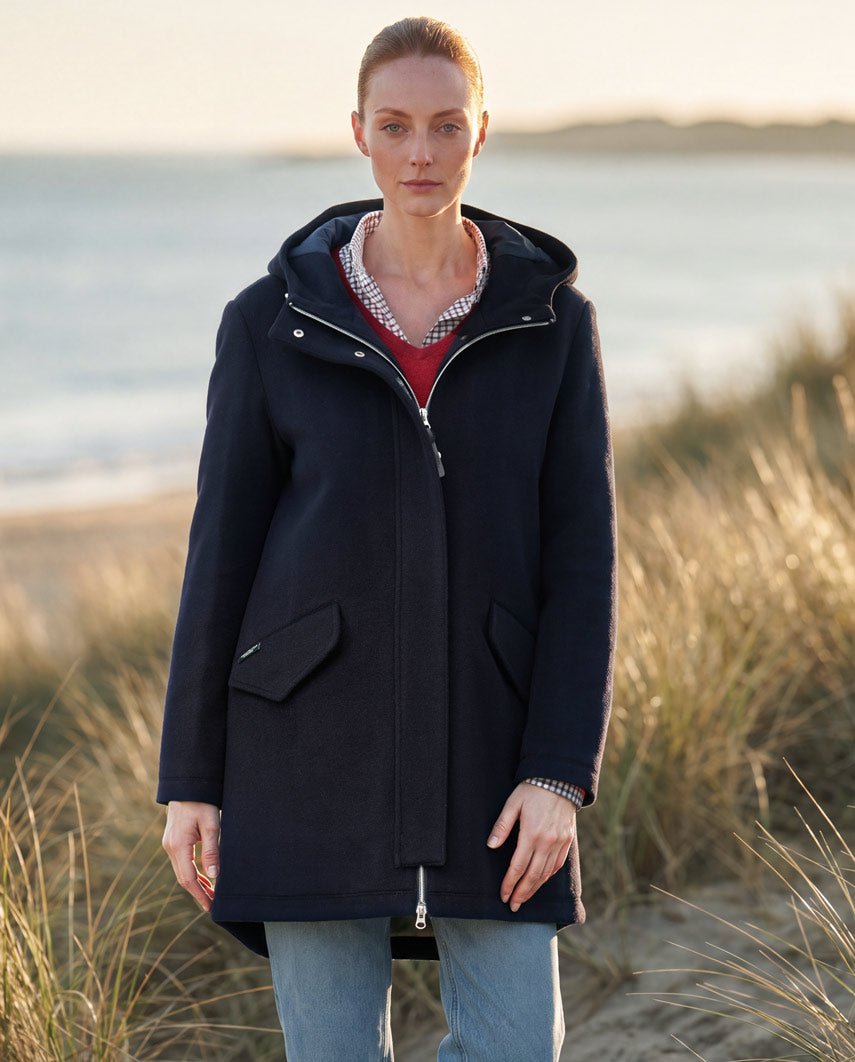
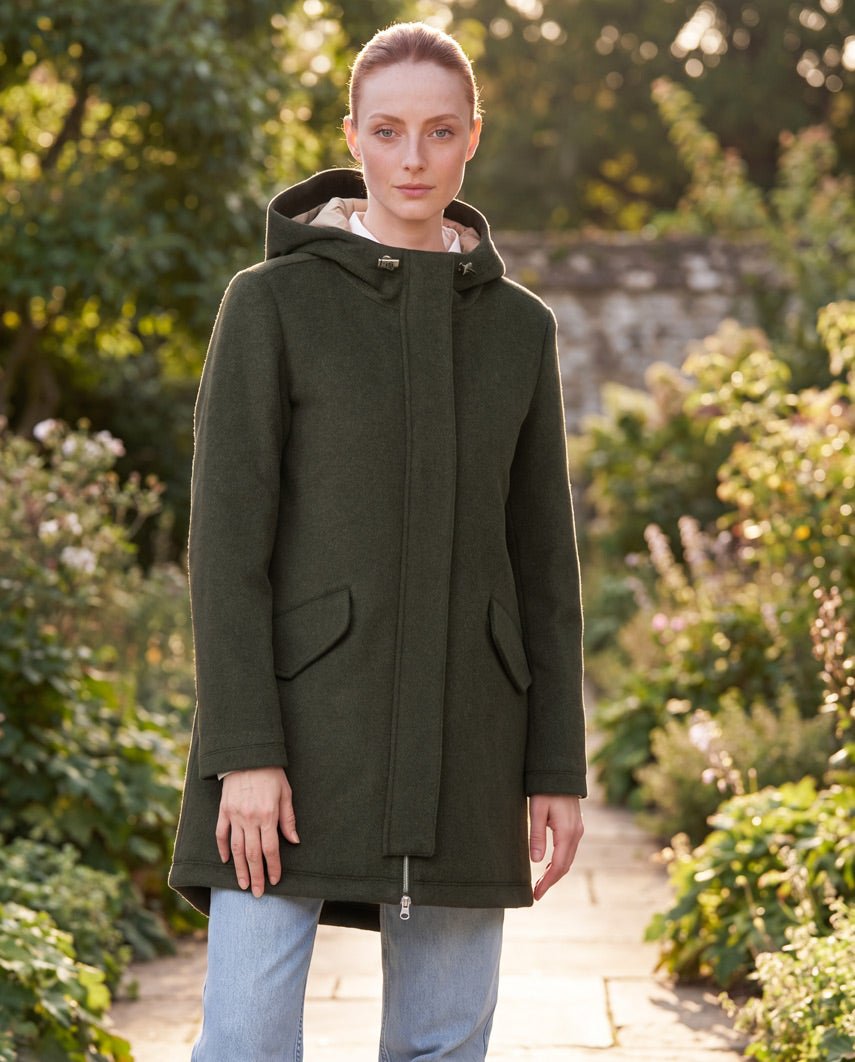
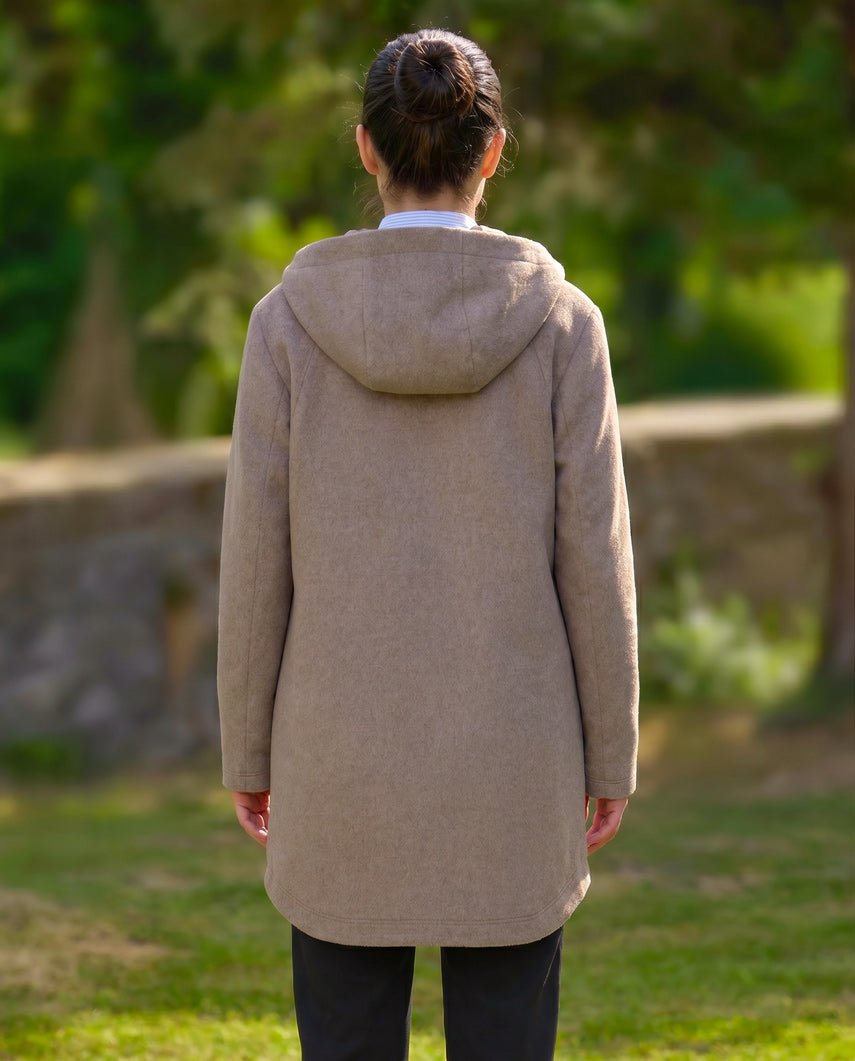
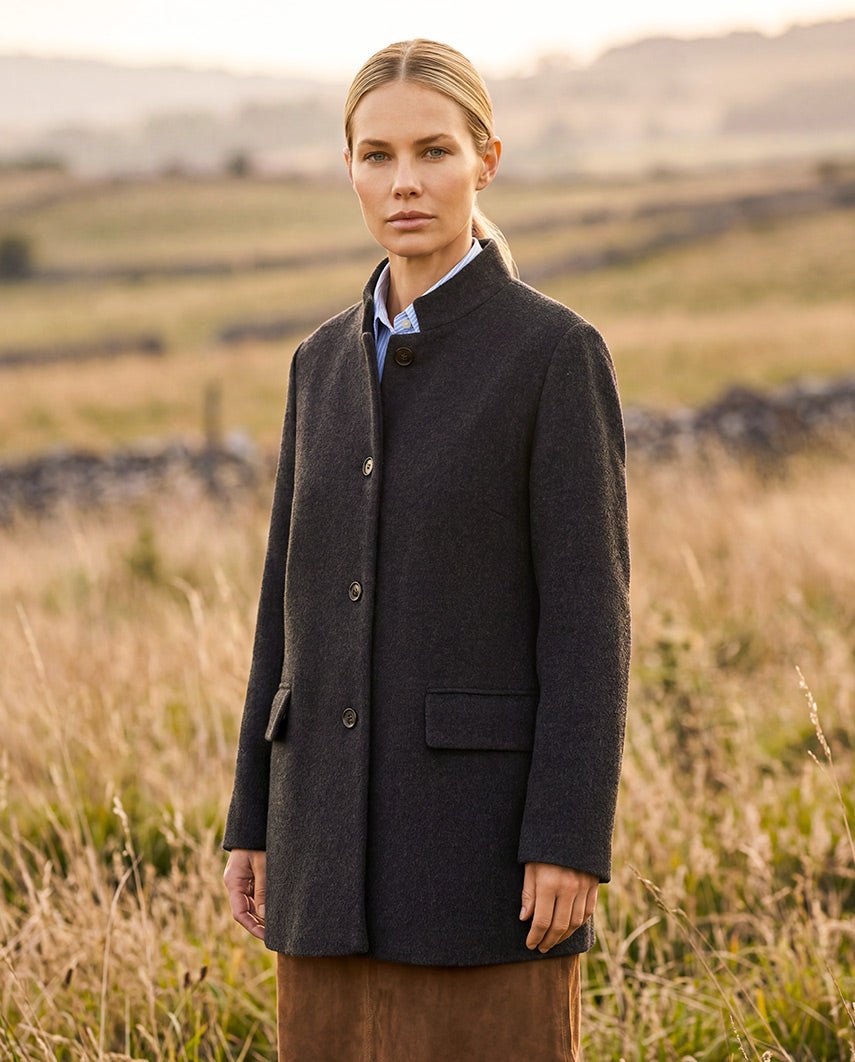
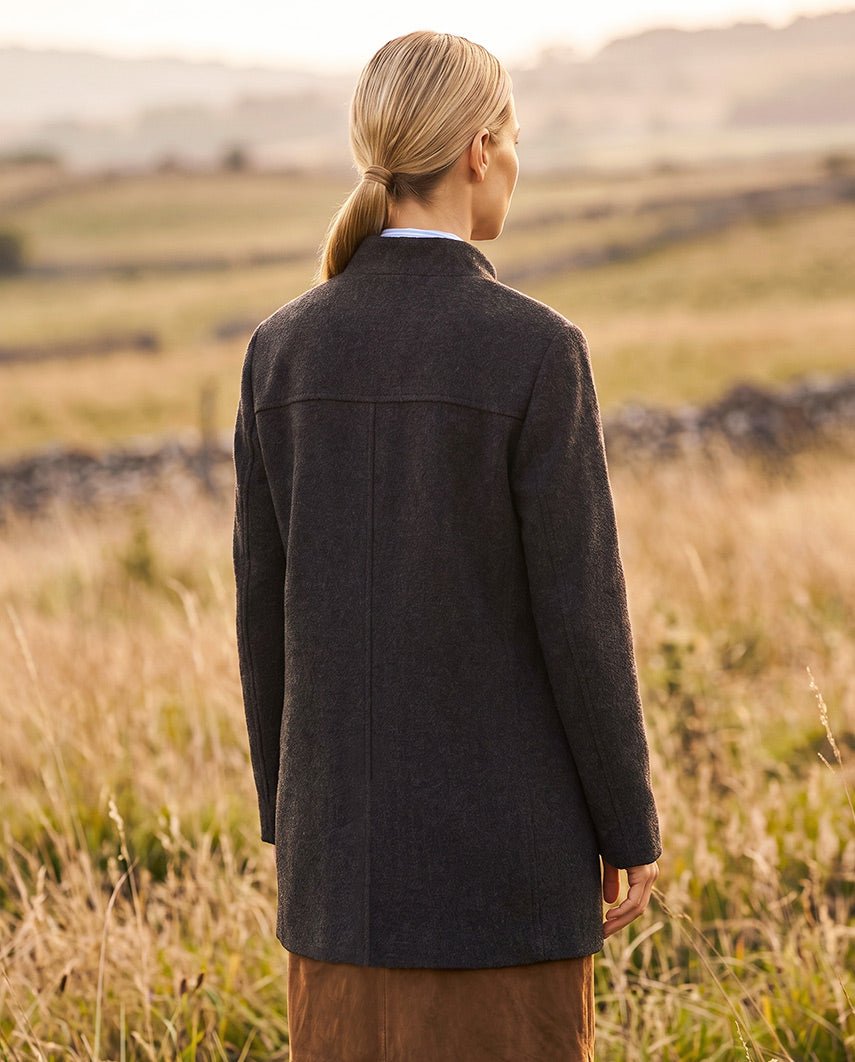
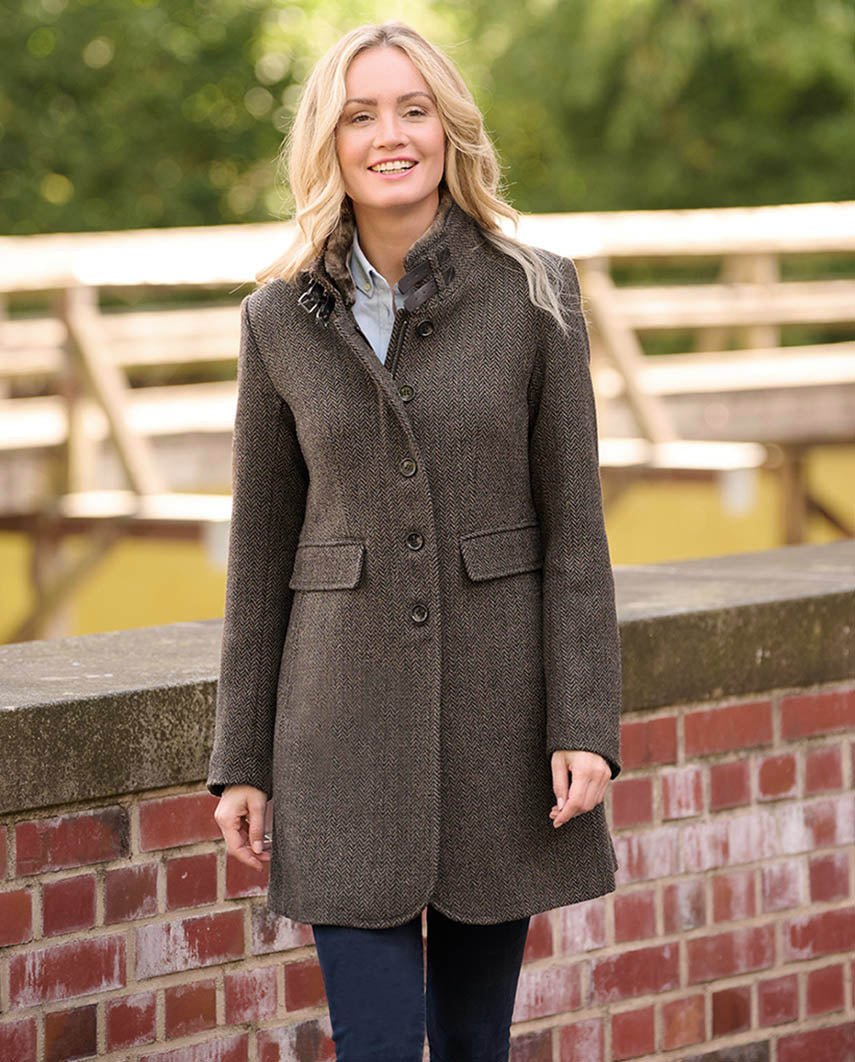
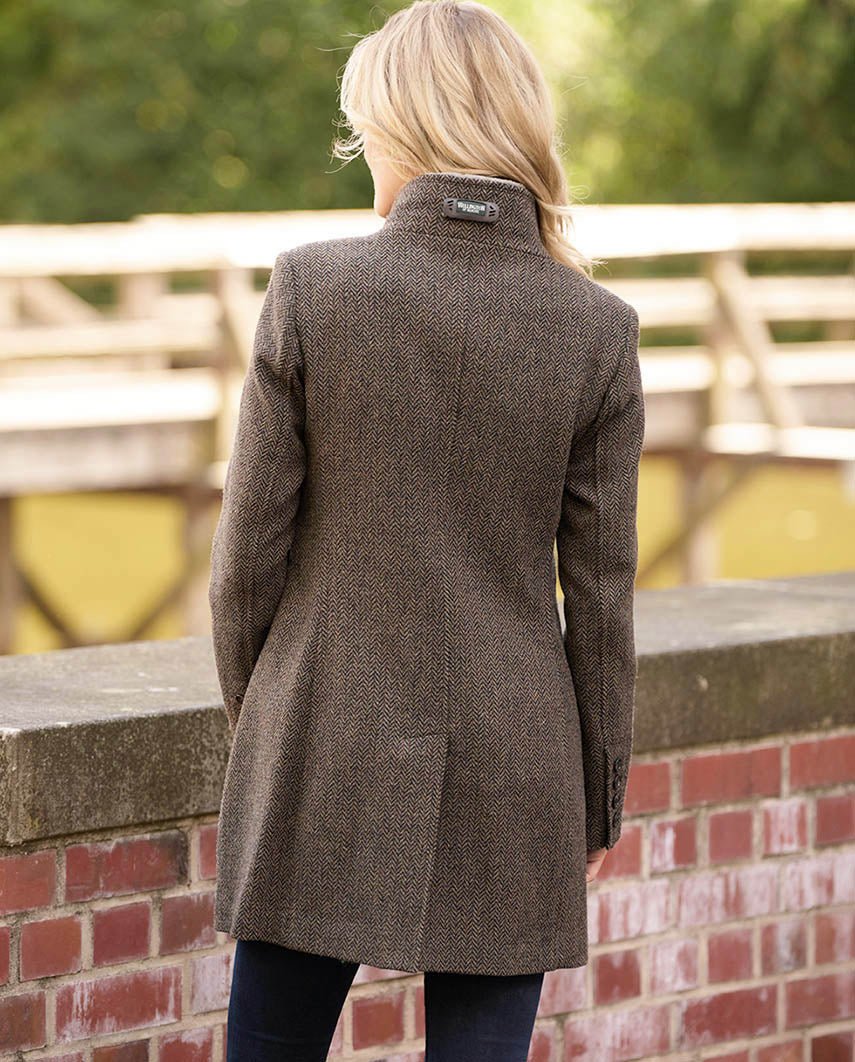
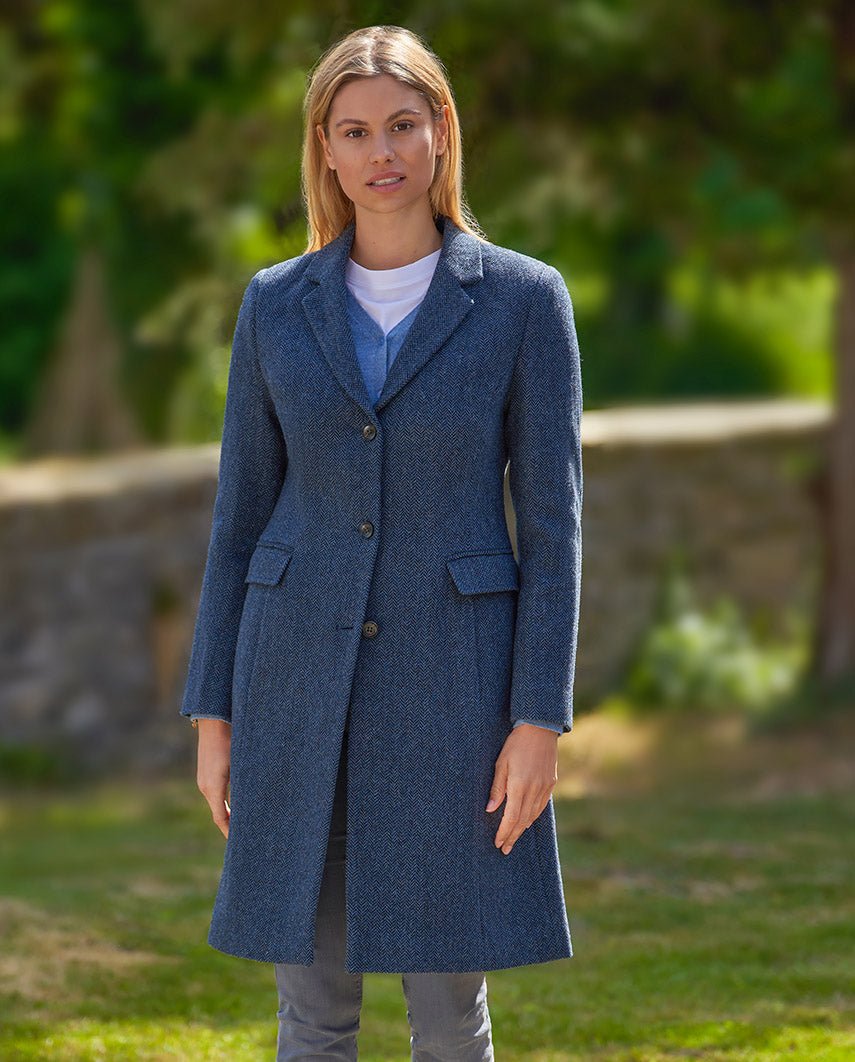
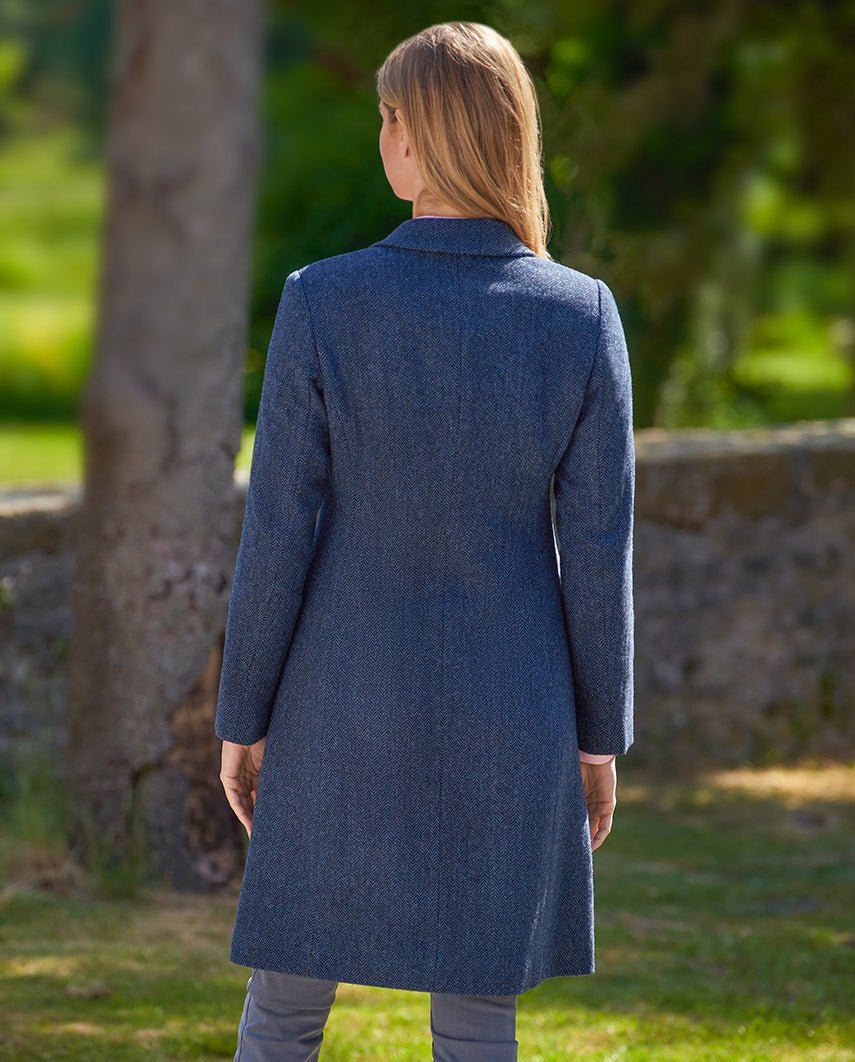
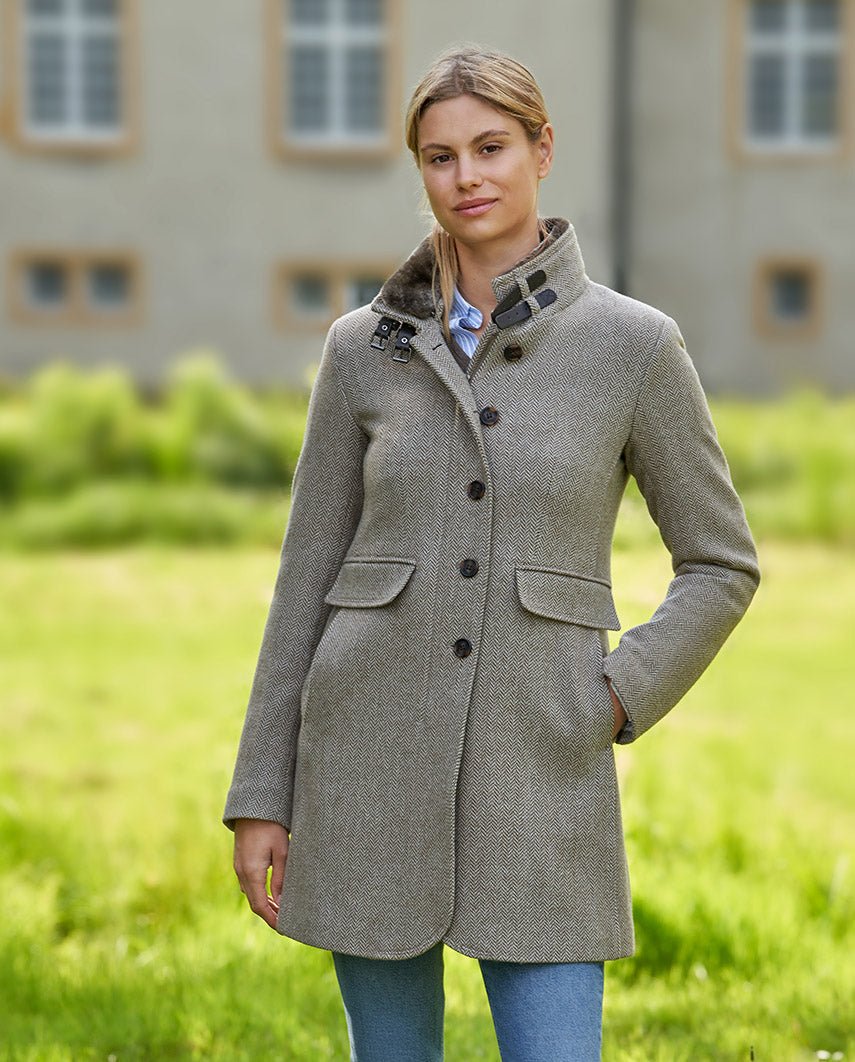
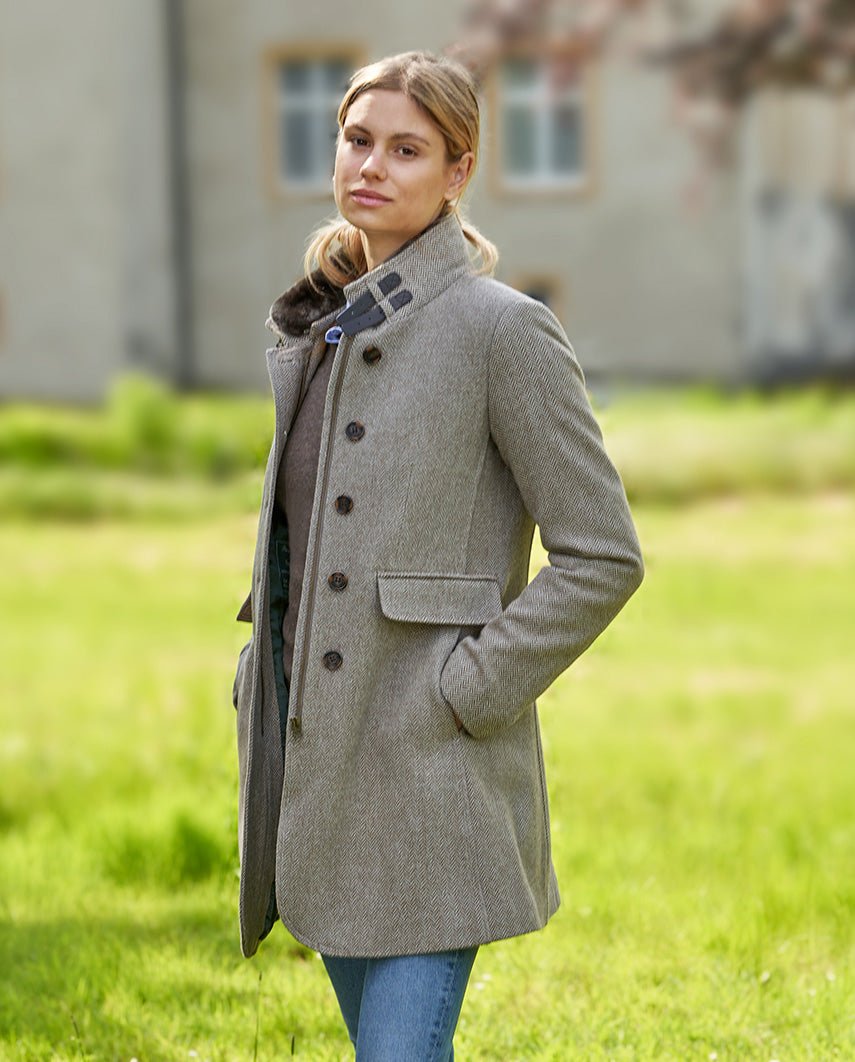
For the cooler season, a wool-cashmere coat complements the look, combining warmth with a clean silhouette. Those looking for fine knitwear made of cashmere and merino will find suitable models for men and women in the Wellington of Bilmore range.

Cashmere and Wool-Cashmere at Wellington of Bilmore
Wellington of Bilmore relies on high-quality wool-cashmere blends and fine merino knitwear for its natural fibers. The wool-cashmere coats combine the warmth and softness of cashmere with the stability of wool and are designed for durability. Like the rest of the range, Wellington of Bilmore's knitwear stands for quality, longevity, and a British-inspired, understated style.
Frequently Asked Questions about Cashmere
What is cashmere?+
Cashmere is a fine noble hair obtained from the undercoat of the cashmere goat. It stands for warmth with low weight and a soft feel.
How do you wash cashmere?+
Wash cashmere by hand or on the wool wash cycle at a low temperature with a mild wool detergent. Do not wring and dry flat.
Where does cashmere come from?+
The main regions of origin are Mongolia, China, and the Himalayan highlands. There, the undercoat of the cashmere goat is combed out in spring.
Is cashmere warmer than wool?+
For the same weight, cashmere generally insulates more effectively than classic virgin wool. This means cashmere provides warmth with less weight.
What is the difference between cashmere and merino wool?+
Cashmere is finer, lighter, and warmer but more delicate. Merino wool is more robust, elastic, and easier to care for in everyday life.
How to recognize high-quality cashmere?+
Look for long, fine fibers, two-ply processing, an appropriate gram weight, and careful craftsmanship.
Why doesn't cashmere scratch?+
The fiber diameter of cashmere is very small. Fine fibers rarely irritate the skin, which is why cashmere is comfortable even when worn directly.
How do you remove pilling from cashmere?+
Gently remove small knots with a cashmere comb or fabric shaver. Longer fibers are generally less prone to pilling.