
Key takeaways
What Merino wool is and where it comes from
Merino wool is the virgin wool of the Merino sheep. The breed originated in Spain and has been considered the benchmark for particularly fine wool for centuries. Today, Merino sheep are primarily raised on a larger scale in Australia, New Zealand, Argentina, and South Africa. Australia is by far the largest producer, supplying the majority of high-quality Merino wool used in European knitwear and outdoor fashion.
The crucial difference from classic virgin wool lies in the fiber diameter. While conventional wool from crossbred breeds typically measures between 25 and 35 micrometers, Merino wool ranges from approximately 16 to 24 micrometers. Within this range, the wool industry distinguishes several quality grades: Ultrafine Merino (about 15 to 15.5 micrometers), Superfine (15.6 to 18.5), Fine (18.6 to 19.5), and Medium (19.6 to 22.9). The finer the fiber, the softer the yarn feels on the skin, and the more expensive the finished item generally is.
Yes, Merino wool is virgin wool. Both terms are not mutually exclusive: virgin wool is wool shorn from a live animal. Merino wool is its finest form. Therefore, reading "100 percent virgin wool" on a label provides no information about the fiber's fineness. Only the addition of "Merino" indicates that it is the particularly fine, skin-friendly variant.

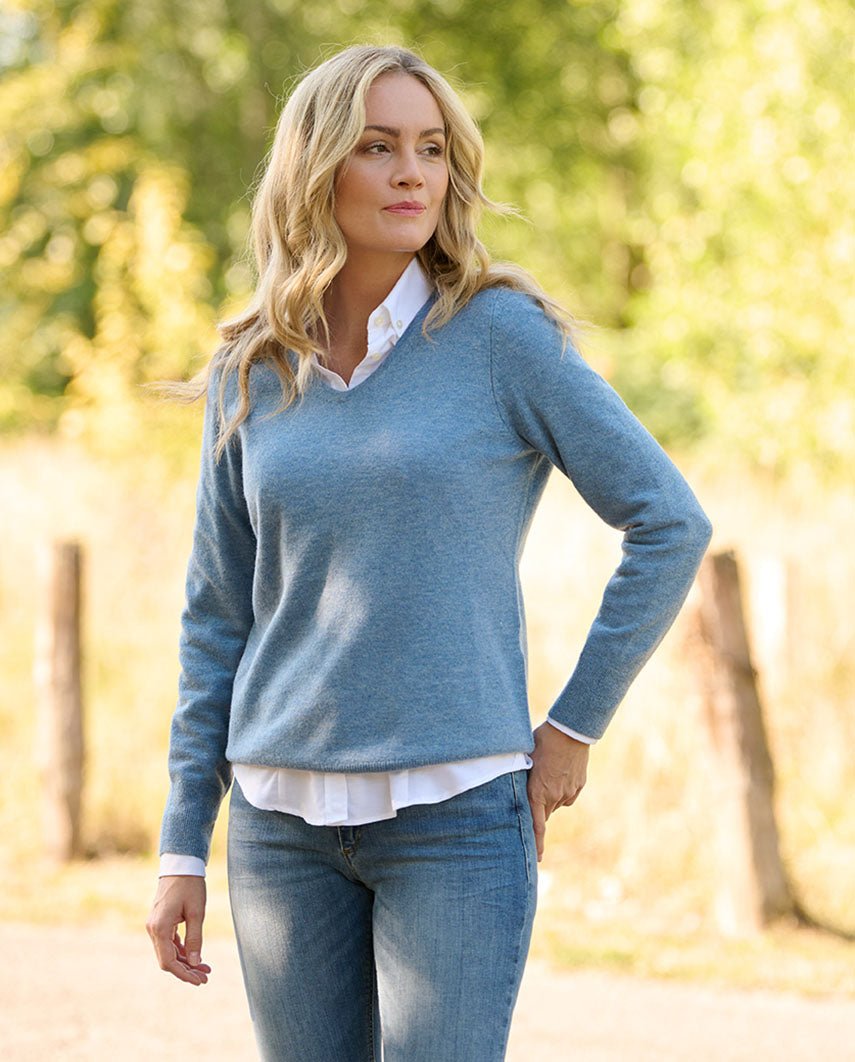
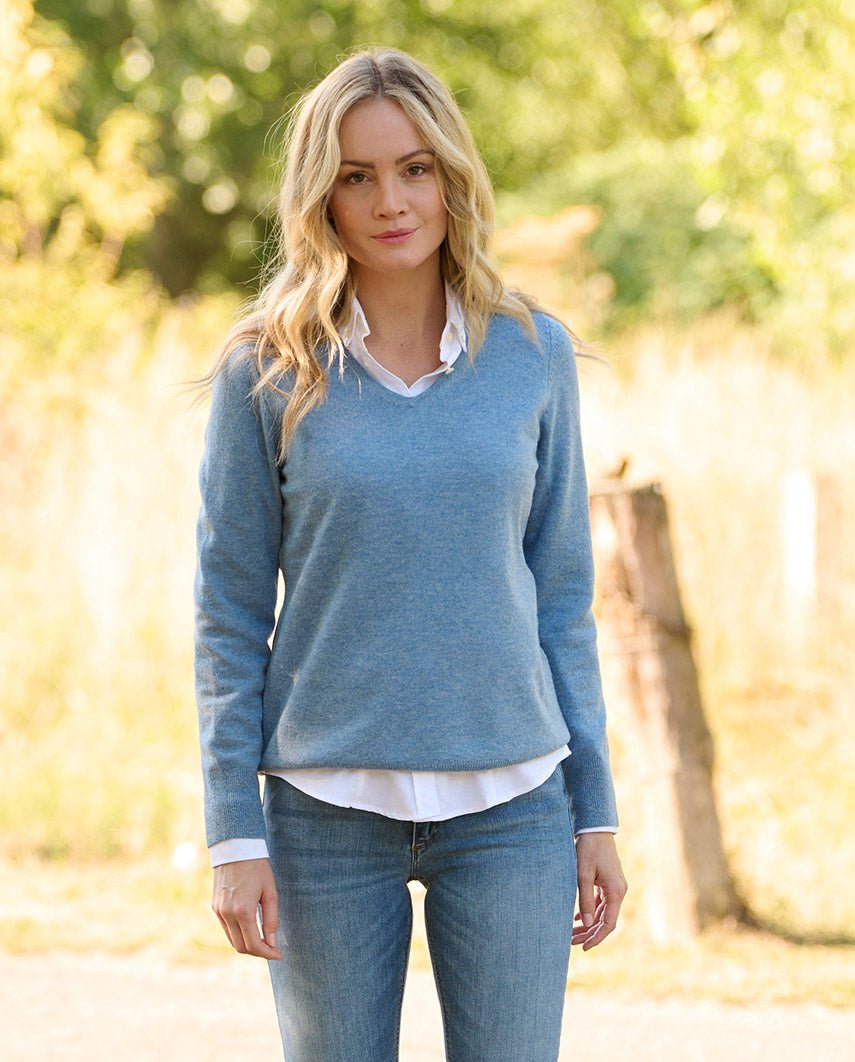
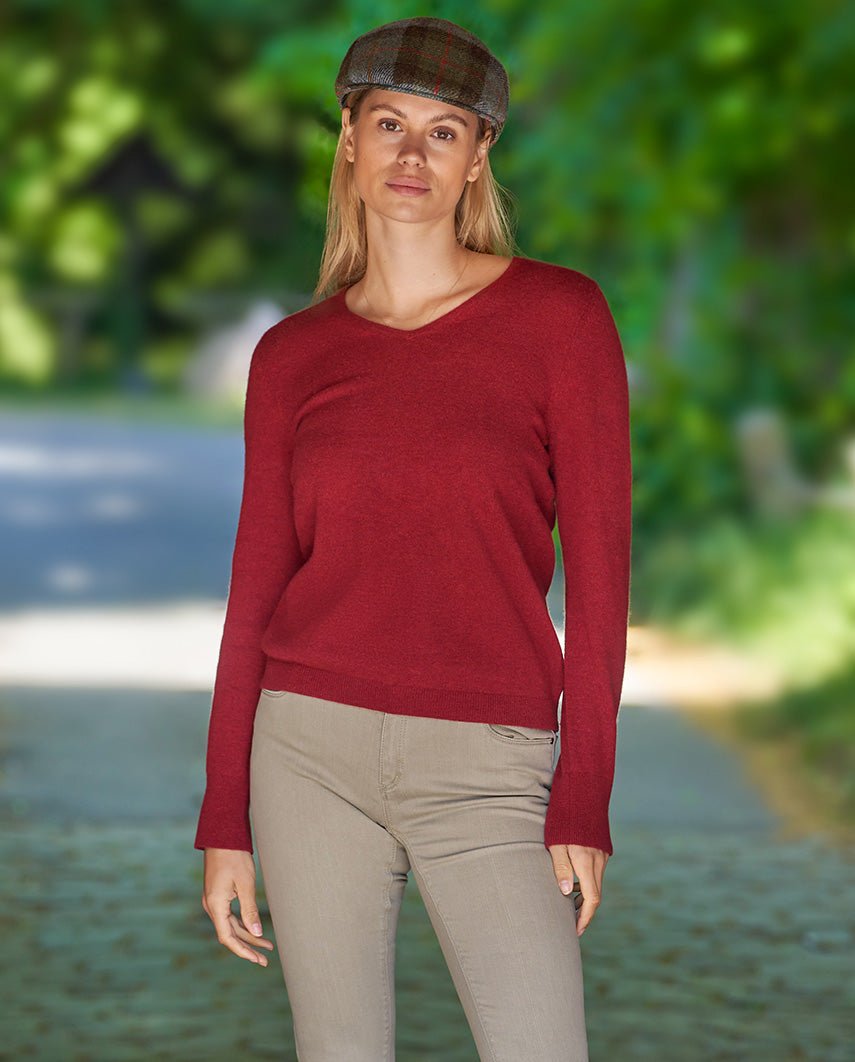
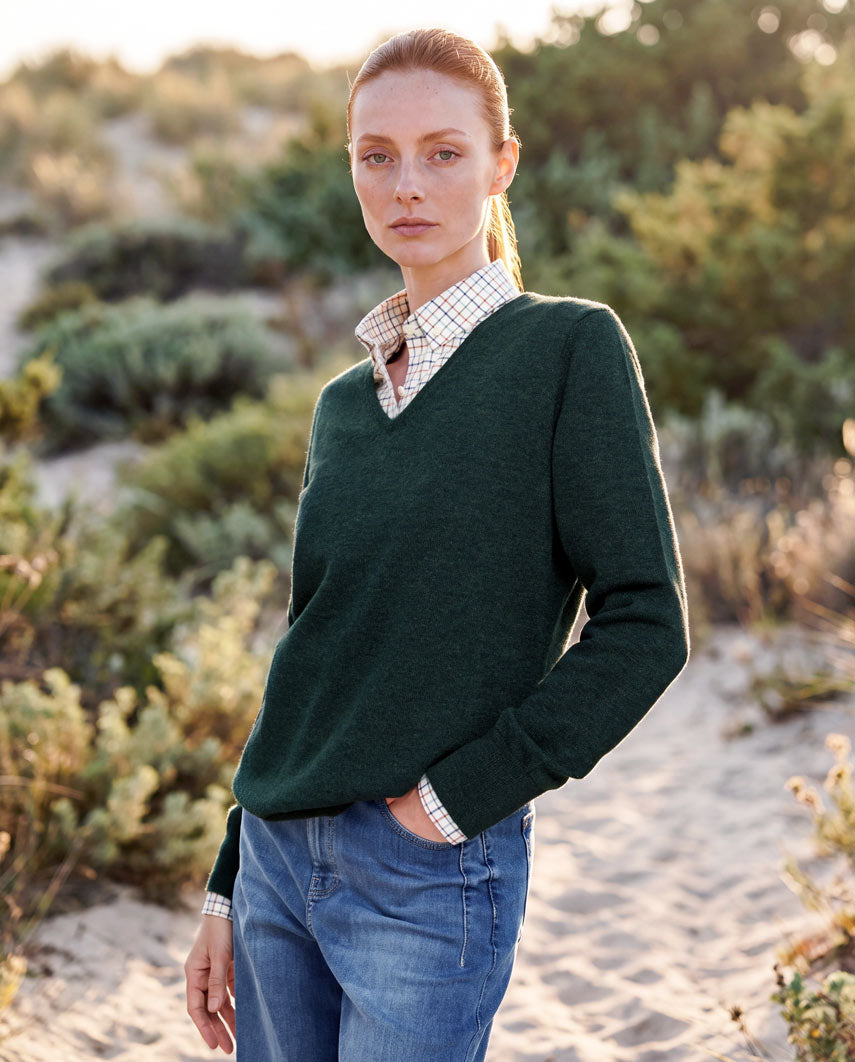
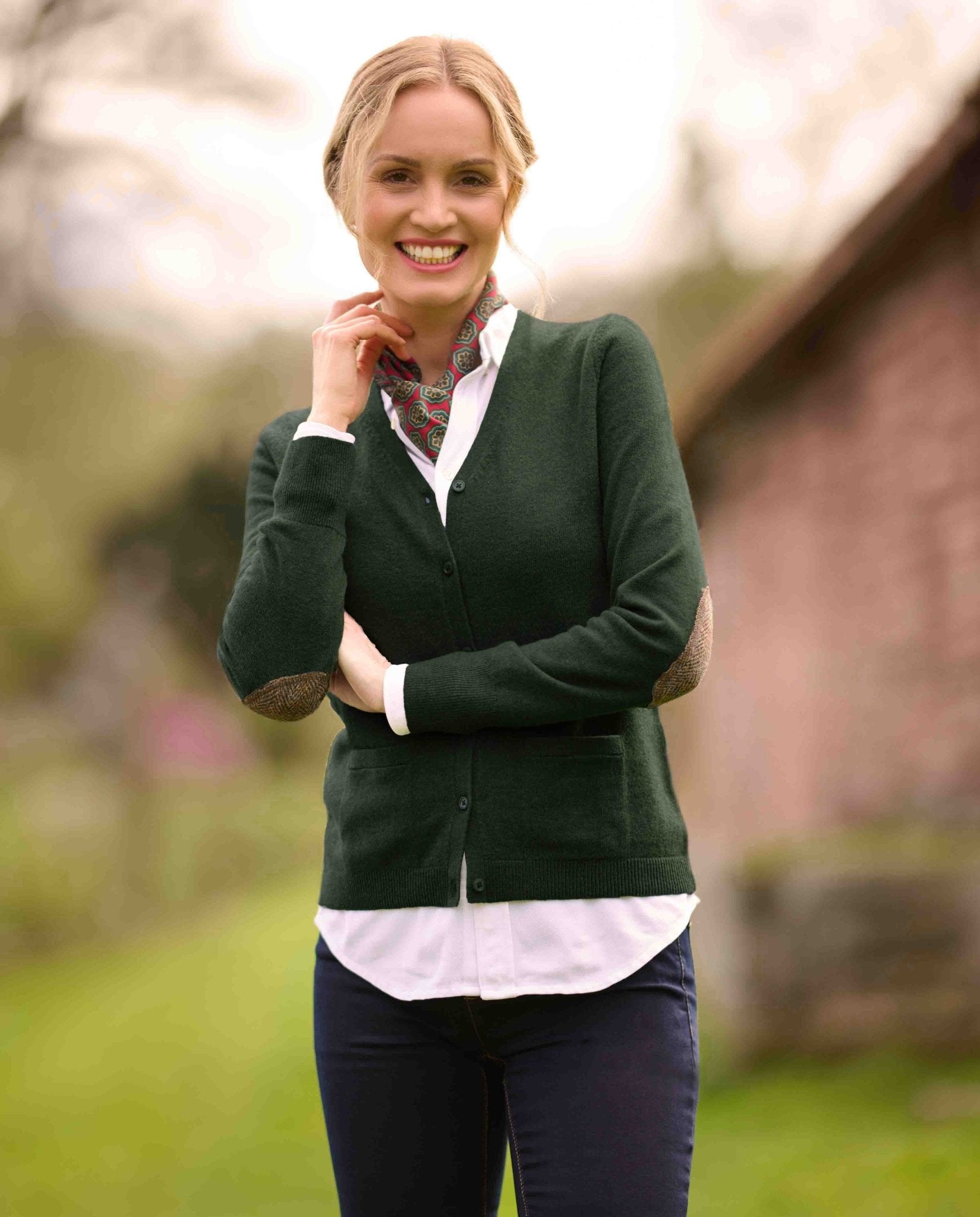
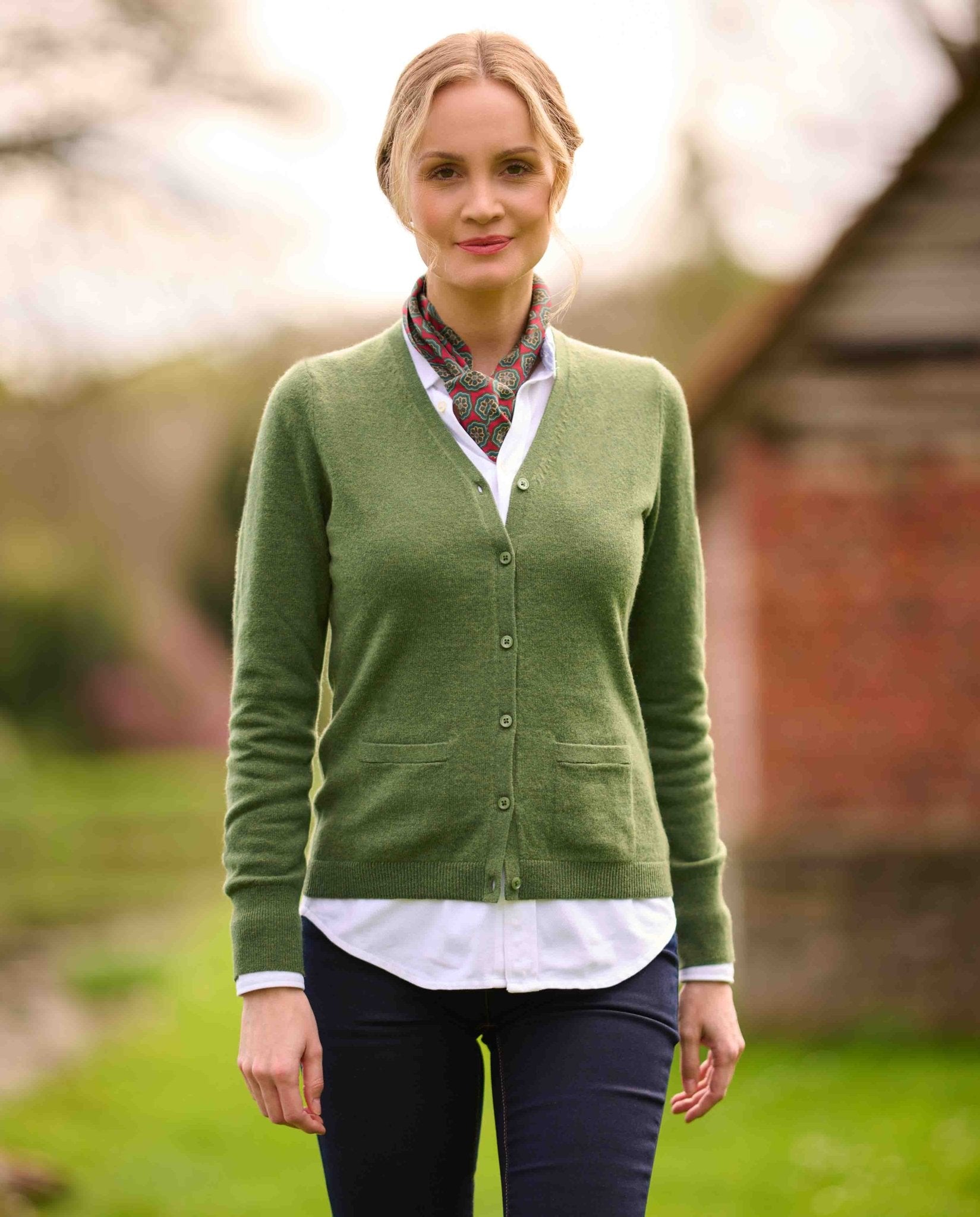
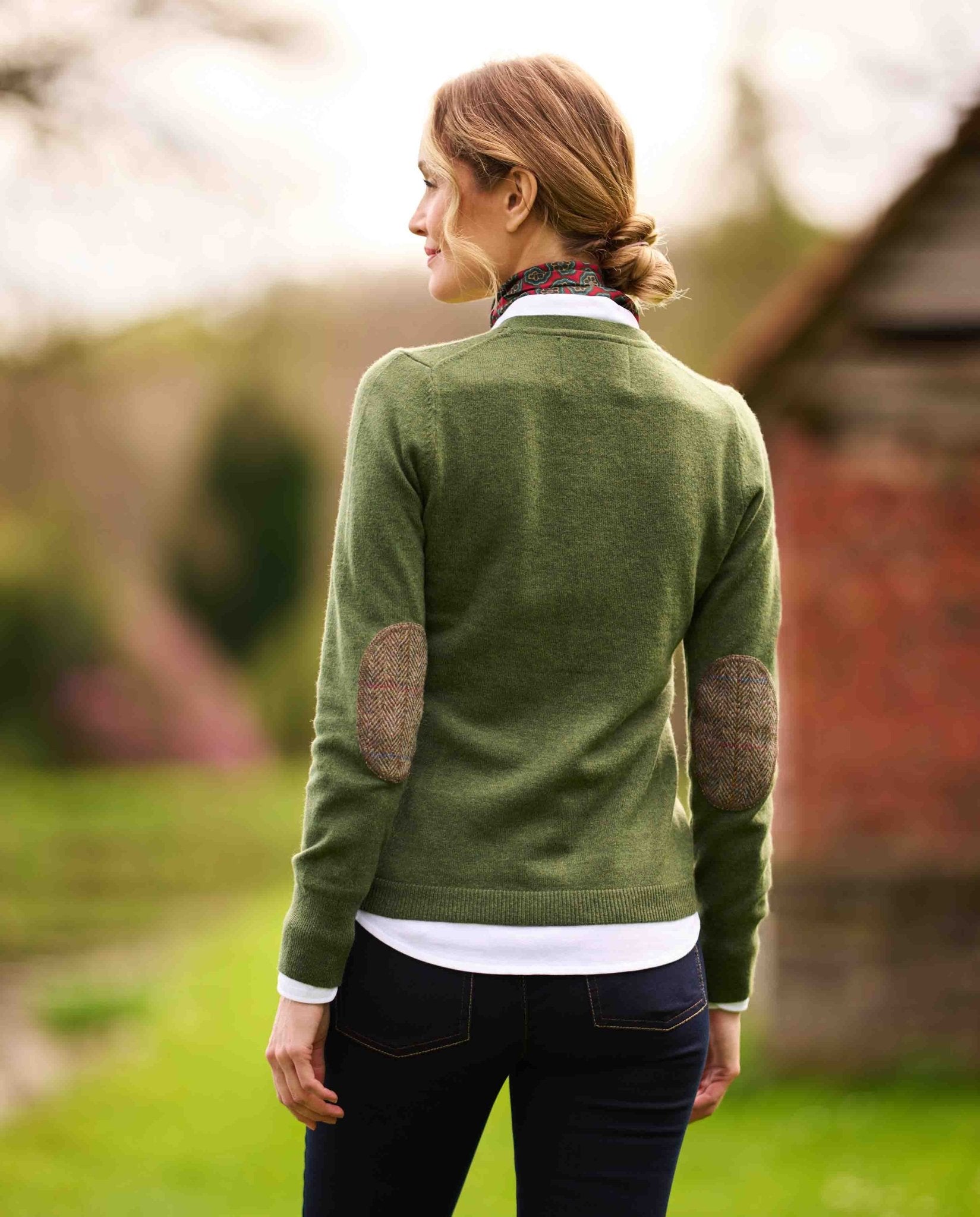
Merino sweater ''Jack'' in dill
The properties of Merino wool in detail
Five properties make Merino wool particularly interesting for clothing. They intertwine to create a material that is almost impossible to replicate in its combination.
Softness. The fine fibers bend upon skin contact instead of pricking. This is why Merino wool usually doesn't scratch, even when worn directly against the skin. Classic virgin wool often irritates sensitive skin because its thicker fibers are less flexible.
Temperature regulation. Merino fibers are crimped and form many small air pockets. These air cushions provide warmth in winter and simultaneously prevent heat and moisture from building up in summer. This is also why Merino wool has become the standard fiber in outdoor and sports apparel.
Moisture management. Merino wool can absorb up to 30 percent of its own weight in moisture without feeling wet. Sweat is transported away from the skin, keeping the body dry during physical exertion and preventing chilling from soaking wet clothing.
Odor inhibition. The natural lanolin layer of the wool and the fiber structure reduce the multiplication of odor-causing bacteria. Merino clothing can be worn for several days without developing unpleasant odors. Frequent airing out is often sufficient; washing is only necessary when visible soiling occurs.
Shape retention and elasticity. A Merino fiber can be stretched by about 30 percent and then returns to its original shape. Well-knitted Merino sweaters retain their shape and fit over many seasons if washed correctly and dried flat.
Merino in comparison: Cashmere, virgin wool, and others.
Merino wool is often lumped together with cashmere and classic virgin wool in knitwear, but it is clearly distinguishable from both. Virgin wool is the umbrella term for wool from a living sheep, Merino wool is the particularly fine sub-form, and cashmere does not come from sheep, but from the cashmere goat. The following table summarizes the most important differences.
Cashmere is even finer and warmer than Merino, but more delicate to care for and more expensive. Wellington of Bilmore primarily uses cashmere in coats, such as in wool-cashmere coats for women and wool-cashmere coats for men. Classic virgin wool remains the most robust option and is used for more densely woven fabrics like tweed or classic men's wool sweaters.
How to properly wash and care for Merino wool
Proper care is the most important factor for a long lifespan of Merino clothing. Three points are key: the right wash program, the appropriate detergent, and proper drying.
Check before washing. Read the care label. Most Merino knitwear can withstand the wool wash cycle of a machine at a maximum of 30 degrees Celsius and a low spin speed (400 to 600 revolutions per minute). More delicate items and fine cashmere blends should be hand-washed.
Choose detergent. Use only a mild wool detergent or a special detergent for delicate fibers. All-purpose detergents often contain enzymes that can damage wool and bleaches that harm the fiber. Consistently avoid fabric softener: it coats the fiber, reduces its natural function, and takes away the wool's loftiness.
Machine wash. Turn the knitwear inside out and place it in a laundry bag. Wash on the wool cycle of your machine at 20 or 30 degrees Celsius, with a low spin speed. For heavily soiled items, you can add a second rinse to completely remove detergent residues.
Hand wash as an alternative. Dissolve about one tablespoon of wool detergent in lukewarm water (maximum 30 degrees Celsius). Submerge the knitwear and move it gently, without rubbing or wringing. After about ten minutes of soaking, rinse several times with clear, lukewarm water until the water remains clear.
Drying. Gently press the knitwear between two towels. Never wring. Then lay the item flat on a dry towel or a special drying net to reshape it. Do not hang, as wet wool will stretch due to its own weight. Do not tumble dry, do not place on a radiator, and do not expose to direct sunlight.
Washing frequency. Thanks to their natural odor-inhibiting properties, merino wool sweaters need to be washed significantly less often than cotton or synthetic garments. Frequent airing after wearing is often sufficient. If the item only smells slightly or isn't visibly soiled, hang it by an open window overnight.
Merino throughout the year: why the fiber is also suitable for summer
The most common misconception about merino wool is that it is exclusively a winter material. In fact, a thin merino sweater also works well in spring, late summer, and when traveling for air-conditioned rooms or cool evenings. The reason lies in its temperature regulation: instead of insulating like down or thick synthetic fleece, merino transports moisture away from the skin, thus ensuring a comfortably dry feel at fluctuating temperatures.
Especially thin merino qualities with 150 to 200 grams per square meter are suitable for the summer season. They are common as T-shirts, light sweaters, and base layers in the outdoor sector. You'll find this class less frequently in clothing ranges; classic knitwear usually weighs between 250 and 350 grams. Those who wear merino in the city in summer opt for short-sleeved models or fine knit T-shirts.
Merino and Knitwear Fashion at Wellington of Bilmore
Wellington of Bilmore features merino sweaters for men as a dedicated material focus in its knitwear assortment, complemented by classic men's wool sweaters made of virgin wool and wool-cashmere coats for the cooler season. The women's assortment includes knit sweaters, cardigans, and wool blends in classic heritage cuts.
Frequently Asked Questions about Merino Wool
What is merino wool?+
Merino wool is the virgin wool of the Merino sheep. It has a fiber diameter between 16 and 24 micrometers, making it significantly finer than classic virgin wool from crossbred breeds, which typically measures between 25 and 35 micrometers. The fine fiber makes merino wool soft, skin-friendly, and highly moldable. It is primarily produced in Australia, New Zealand, Argentina, and South Africa.
What is the difference between virgin wool and merino wool?+
Virgin wool is the umbrella term for wool shorn from live sheep, regardless of breed and fiber fineness. Merino wool is a particularly fine form of virgin wool, specifically from Merino sheep, with a fiber diameter of 16 to 24 micrometers. Thus, all merino wool is virgin wool, but not all virgin wool is merino. The designation "virgin wool" or the wool seal only indicates that it is wool from a live animal, not how fine it is. Only the addition of "merino" indicates the fine, skin-friendly quality.
What are the properties of merino wool?+
Merino wool is soft, temperature-regulating, odor-inhibiting, moisture-wicking, and dimensionally stable. The crimped fibers create air pockets that warm in winter and cool in summer through moisture transport. Natural lanolin inhibits odor-causing bacteria, the fiber absorbs up to 30 percent of its weight in moisture without feeling wet, and returns to its original shape after stretching.
Does merino wool itch?+
Generally not. The fine fiber structure (16 to 24 micrometers) bends on skin contact instead of pricking. Sensitive skin usually finds merino pleasantly soft. If someone does experience a slight itch, they should opt for a finer quality (Superfine or Extrafine Merino, up to 18.5 micrometers) or wear a thin cotton or silk layer between their skin and the sweater.
Is merino wool warmer than regular wool?+
Per unit of weight, merino wool is similarly warm to classic virgin wool, but noticeably more efficient in temperature regulation. It warms in winter without overheating and reliably wicks sweat away from the skin. Cashmere warms even better per weight but is more delicate to care for. Classic virgin wool often appears bulkier and stiffer because the fiber is thicker and less crimped.
How do you wash merino wool?+
On the wool wash cycle of the machine at a maximum of 30 degrees with a mild wool detergent and low spin speed (400 to 600 revolutions per minute). Turn the knitwear inside out and place it in a laundry bag. Alternatively, hand wash in lukewarm water with wool detergent, move gently and rinse several times. Avoid fabric softener and all-purpose detergents; both can damage the fiber. Then press out between two towels and let dry flat in shape.
Merino or cashmere, which is better?+
Both fibers have different strengths. Cashmere is finer, warmer per weight, and has a particularly luxurious feel; it is suitable for opulent sweaters, scarves, and coats with high thermal performance. Merino wool is more robust, easier to care for, more odor-resistant, and more versatile throughout the year. For everyday wear, merino is the more practical choice, while for festive occasions or a special piece, cashmere remains the more premium option.
Is merino wool sustainable?+
Merino wool is a renewable and biodegradable fiber, making it inherently more sustainable than polyester or other synthetic fibers. However, the conditions of animal husbandry are crucial for the overall balance. Look for certifications like the Responsible Wool Standard (RWS), which guarantee the prohibition of the controversial mulesing procedure and fair husbandry conditions. High-quality European brands usually indicate the origin and certification of their merino wool on material or sustainability pages.
Is merino wool suitable for summer?+
Yes. Thin merino qualities between 150 and 200 grams per square meter also work in warm temperatures because the fiber transports moisture away from the skin, creating a dry feel. However, thicker knit qualities (250 to 350 grams) dominate in classic clothing assortments, which are intended more for autumn, winter, and cool spring days. For high summer, specially designated summer merino items or classic cotton and linen fabrics are suitable.