
Key takeaways
What is the Old Money Style?
The Old Money style is an approach to dressing where subtlety and quality take precedence over visible brand logos. The term refers to wealth accumulated over generations, which is not ostentatious but expressed through fine materials, clean cuts, and classic, well-maintained pieces. It is, therefore, less about a specific trend and more about a way of dressing with quiet self-assurance. So, what exactly does Old Money mean? It stands for a style that doesn't display wealth but hints at it through quality.
Stylistically, the Old Money look draws from British country tradition and the classic, Northeast American-influenced preppy heritage. Both share the idea that clothing is a subtle expression of permanence and good taste. Those who want to know what Old Money style means will find the answer less in individual pieces than in an attitude towards quality and longevity.
Where the Old Money Style Comes From
The Old Money style has two historical roots. In Europe, it follows the tradition of the British landed gentry, whose wardrobe focused on country clothing, tailoring, and durable materials. In the USA, the upper-class East Coast bourgeoisie shaped a related design language with the classic preppy and Ivy styles. Common to both is the idea that clothing hints at origin and taste without overtly displaying it.
The term itself distinguishes inherited wealth, "old money," from newly acquired riches. While the latter has historically been associated with visible status, old money stood for restraint. The fact that the term is now prevalent on social media does not change this older fundamental idea, which still underpins the style today.
Old Money and Quiet Luxury: Quiet Luxury Instead of Loud Logos
Closely related to the Old Money style is the term Quiet Luxury. Both describe the same basic idea from different perspectives. While Old Money refers to inherited wealth and origin, Quiet Luxury is primarily a fashion term for high-quality, logo-free clothing. What both have in common is understatement: quality is evident in material and craftsmanship, not in conspicuous emblems.
The antithesis is logo-heavy fashion, which conveys status through visible brands. In the Old Money style, the opposite is true. Here, style is not loud but quiet, and its impact comes precisely from its restraint.
As a fashion term, Quiet Luxury gained particular importance in recent years as a counter-movement to flashy logo fashion. It refers to high-quality materials and a clear, understated design that allows quality to be perceived without a brand having to be visible. Old Money and Quiet Luxury thus describe the same basic principle, once from the perspective of origin and once from the perspective of fashion.
Why Old Money is a Principle, Not a Trend
As much as the term currently appears in search queries and social media, the principle behind it is far from new. At its core, Old Money describes what is known as investment dressing: better to buy right once than new three times. A high-quality garment accompanies its wearer for many years and develops its own patina over time. This longevity is the real luxury.
Thus, the Old Money style is less a fleeting trend than a proven design language built on British heritage classics. For Wellington of Bilmore, this is not a new concept to follow, but the foundation of their work since 1899. The term Old Money is new, but the principles behind it are not: high-quality materials, careful craftsmanship, and clothing made for a long life, crafted for living and for life. Wellington of Bilmore therefore does not focus on a trend, but on the permanence from which timeless elegance truly emerges.
Practically speaking, this attitude often pays off. A high-quality garment worn for many years often has a lower cost per wear than several inexpensive items that need to be replaced quickly. This calculation, known as cost per wear in English, is a core idea of investment dressing and fits the principle of quiet luxury.
The Materials of the Old Money Style
The Old Money look thrives on high-quality natural materials. Four material worlds form the foundation.
Harris Tweed
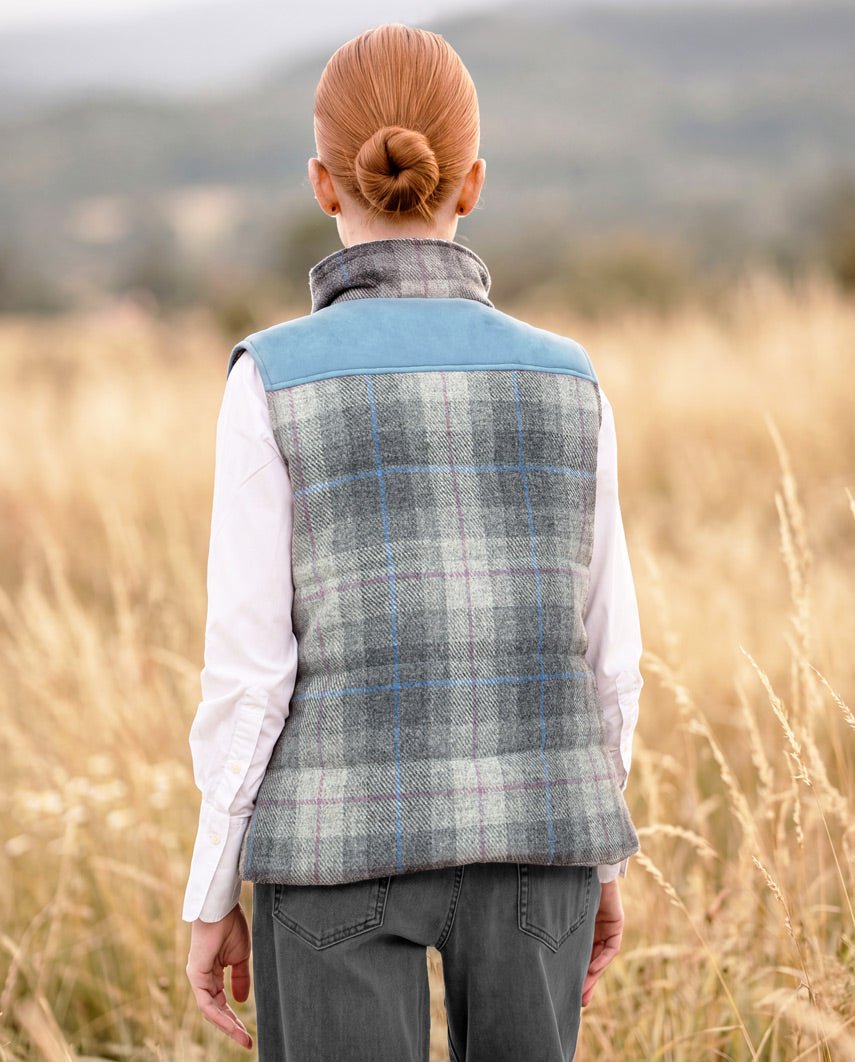
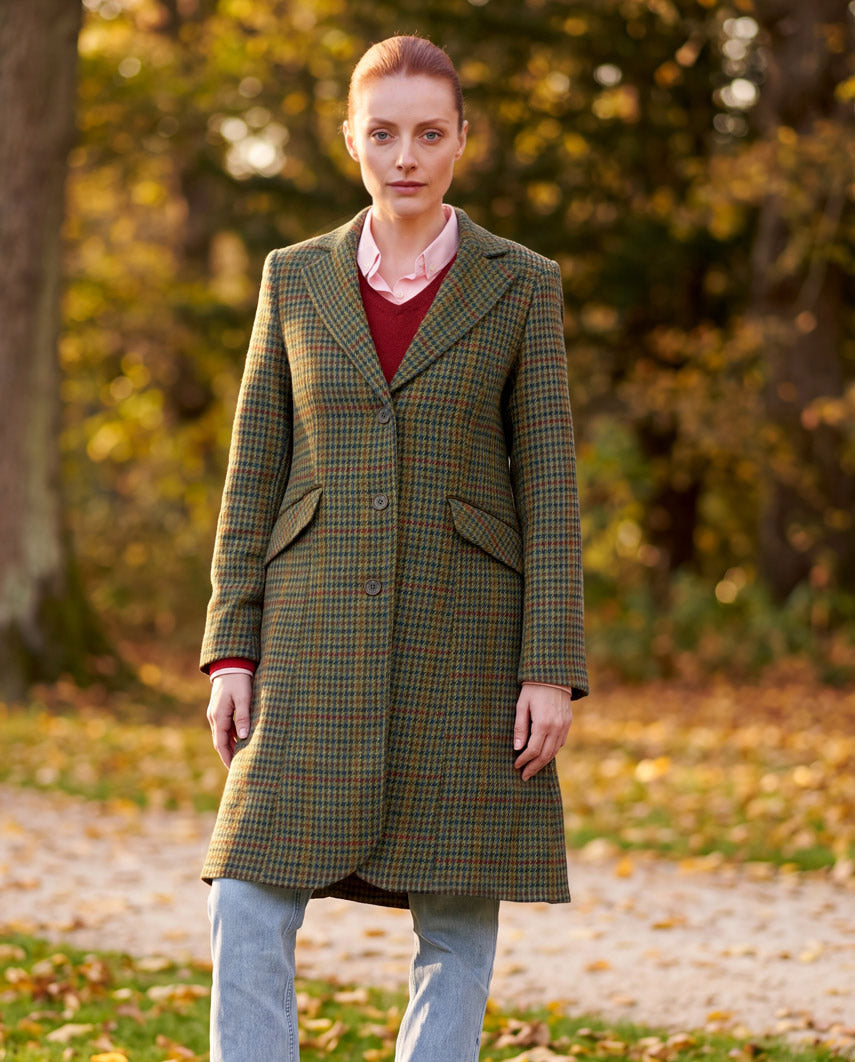
Hand-woven Harris Tweed from the Outer Hebrides is robust, warm, and carries an official certificate of authenticity from the Harris Tweed Authority. As a jacket or coat, it is a core piece of the Old Money wardrobe.
Cashmere and Merino
Fine knitwear made from cashmere and merino wool stands for warmth with low weight and a soft feel. Read more about it in our guide to cashmere.
Waxed Cotton
The waxed jacket made of waxed cotton combines weather protection with a country character. The outer fabric at Wellington of Bilmore comes from Halley Stevensons.
Leather
Fine leather like lamb nappa or goat suede develops a noble patina over the years and completes the material world.
How to Recognize Timeless Quality Without Logos
Since the Old Money style does without visible brands, quality is decided in the details. Four indicators help to recognize high-quality clothing.
Material
High-quality natural fibers like virgin wool, cashmere, linen, and leather feel pleasant and age beautifully. A look at the material composition on the label provides initial clues.
Workmanship
Clean, even seams, neatly finished linings, and high-quality buttons and zippers are signs of careful manufacturing.
Fit
A good garment fits neatly at the shoulders, length, and sleeves. The fit is more important than any trend and determines the overall impression.
Color
Understated natural tones are versatile to combine and look harmonious for years, while loud colors go out of fashion more quickly.
-
High-quality natural fibers instead of pure synthetic fibers
-
Clean seams, neat lining, and durable fasteners
-
A fit that sits neatly at the shoulder and length
-
Understated, easily combinable colors
-
Workmanship and material over visible logos
Pro tip: Before buying, check the label for material composition and turn the garment inside out. Clean inner seams and a neatly finished lining often reveal more about the quality than the outside.
Combining the Old Money Style for Men
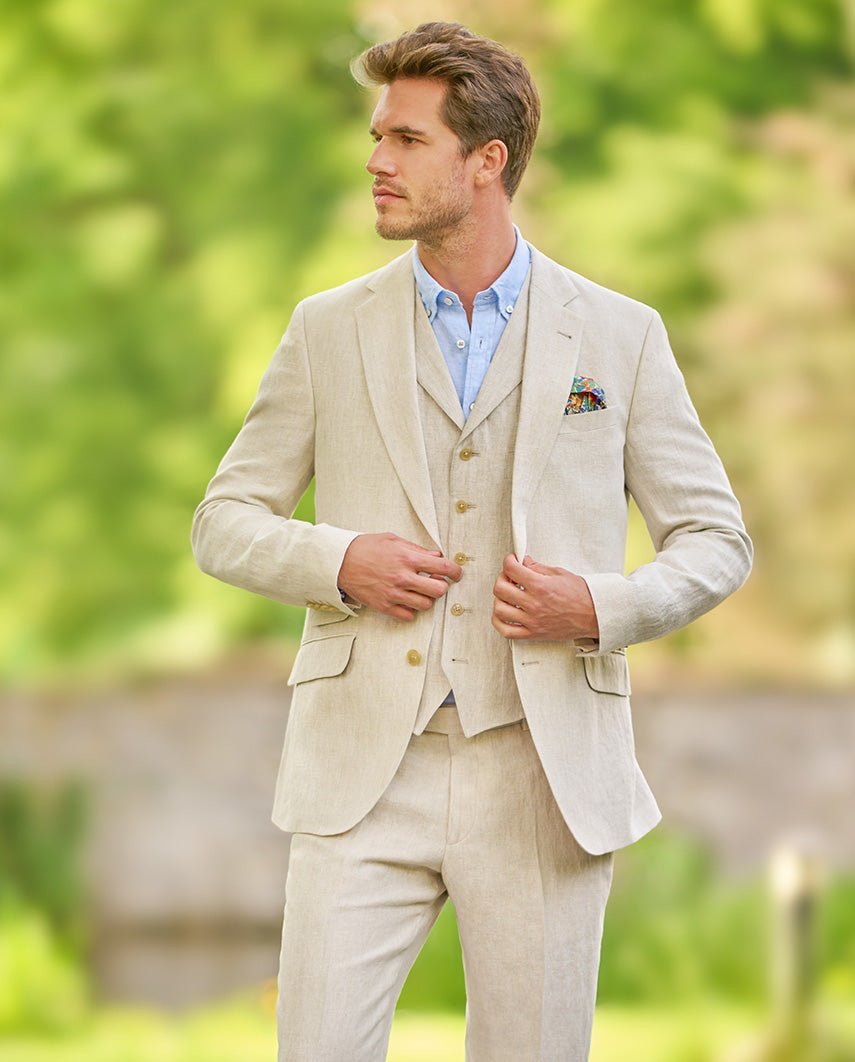
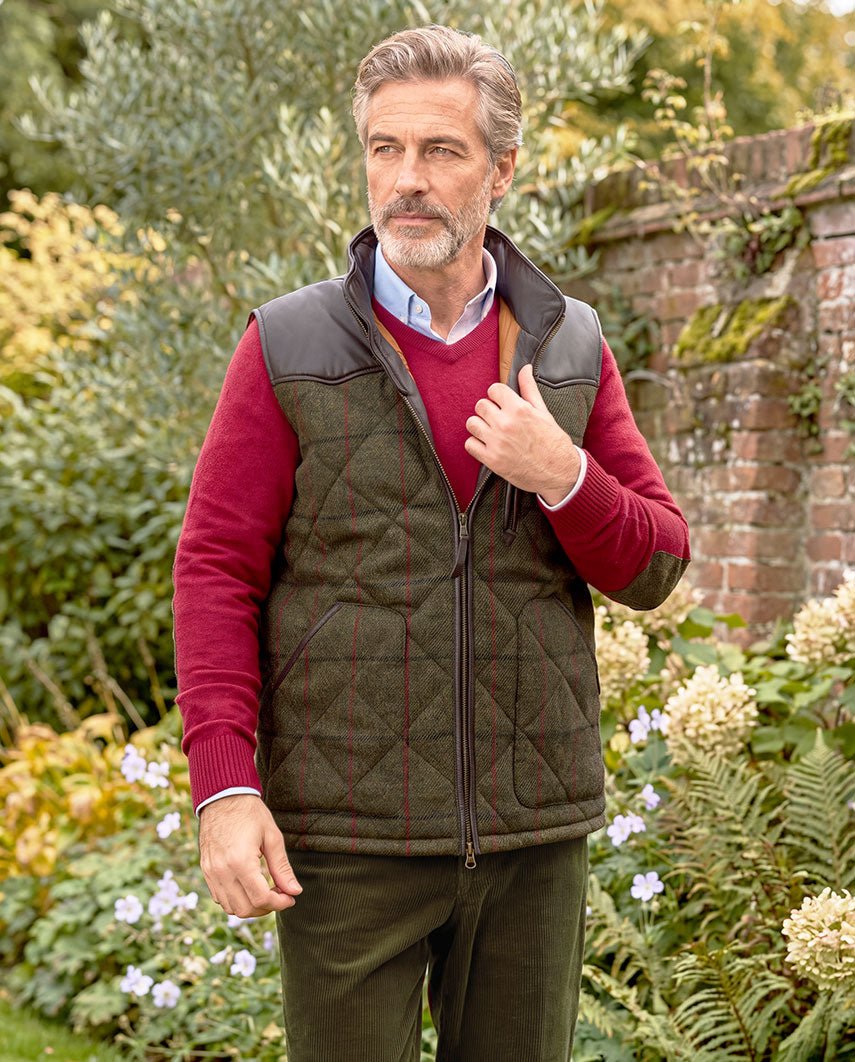
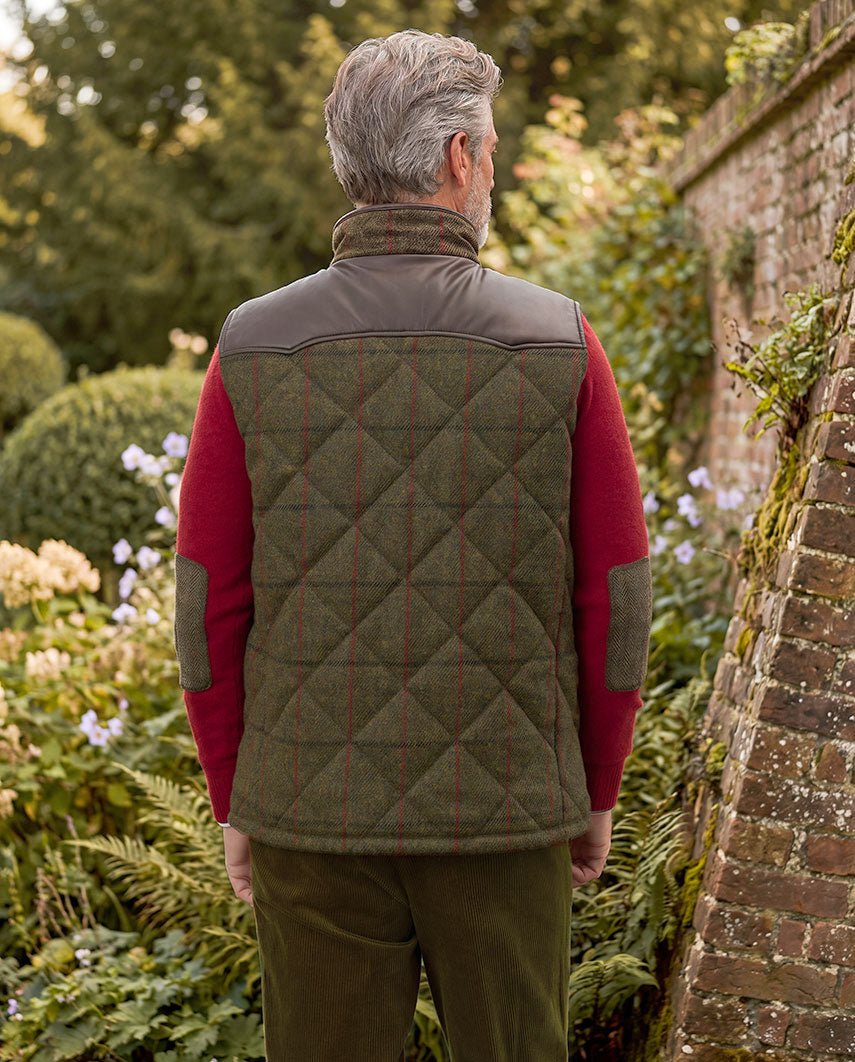
For men, the Old Money look begins with a quiet foundation of a few high-quality pieces. The anchor is a Harris Tweed jacket in a muted tone such as olive, brown, or subdued blue. Since the style does without striking colors, tension is created not through contrasts, but through the interplay of materials: the rough texture of the tweed, the soft surface of fine knitwear, and the matte feel of a corduroy trousers together create a harmonious, three-dimensional picture.
Underneath, wear a fine merino or cashmere sweater, a turtleneck, or a crew neck over a shirt in a muted tone. A light blue or cream-colored shirt looks classic, while a subtly patterned shirt, for example, in a fine check, adds a quiet accent. To complete the look, corduroy trousers or chinos in camel, brown, or navy are worn. This combination can be adjusted depending on the occasion: more formal with a tie and pocket square, or casually relaxed with an open shirt and knitwear.
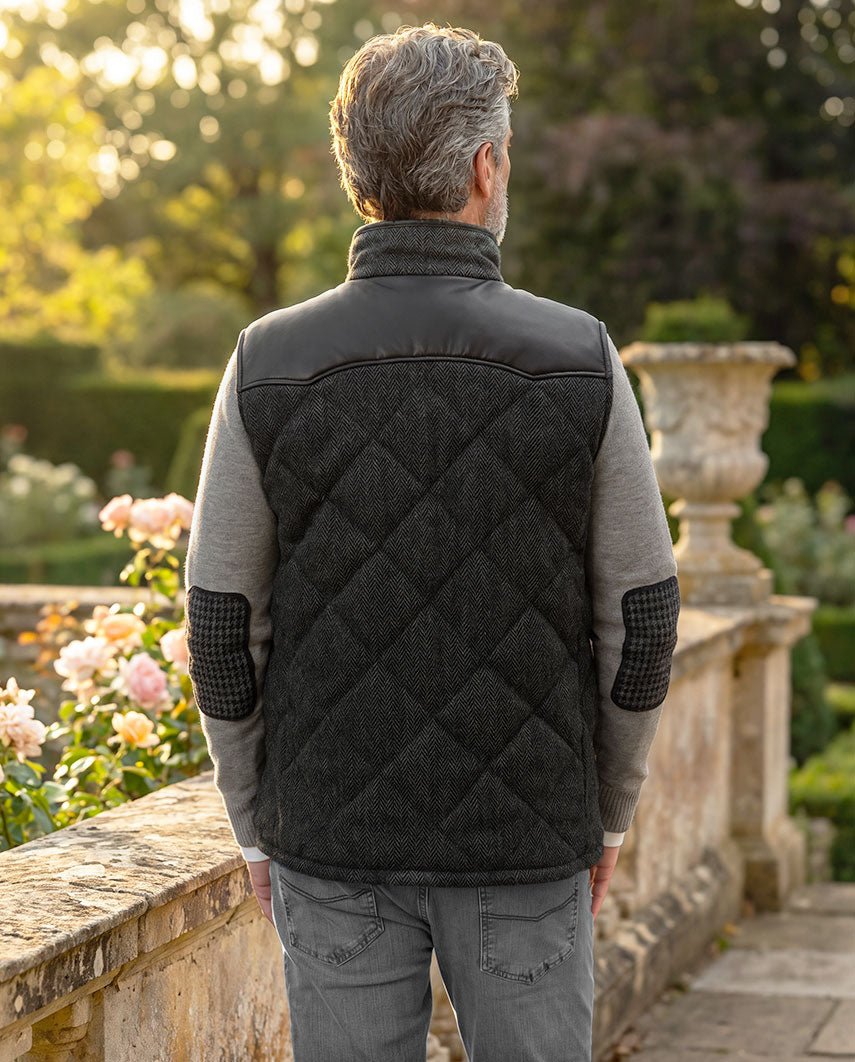
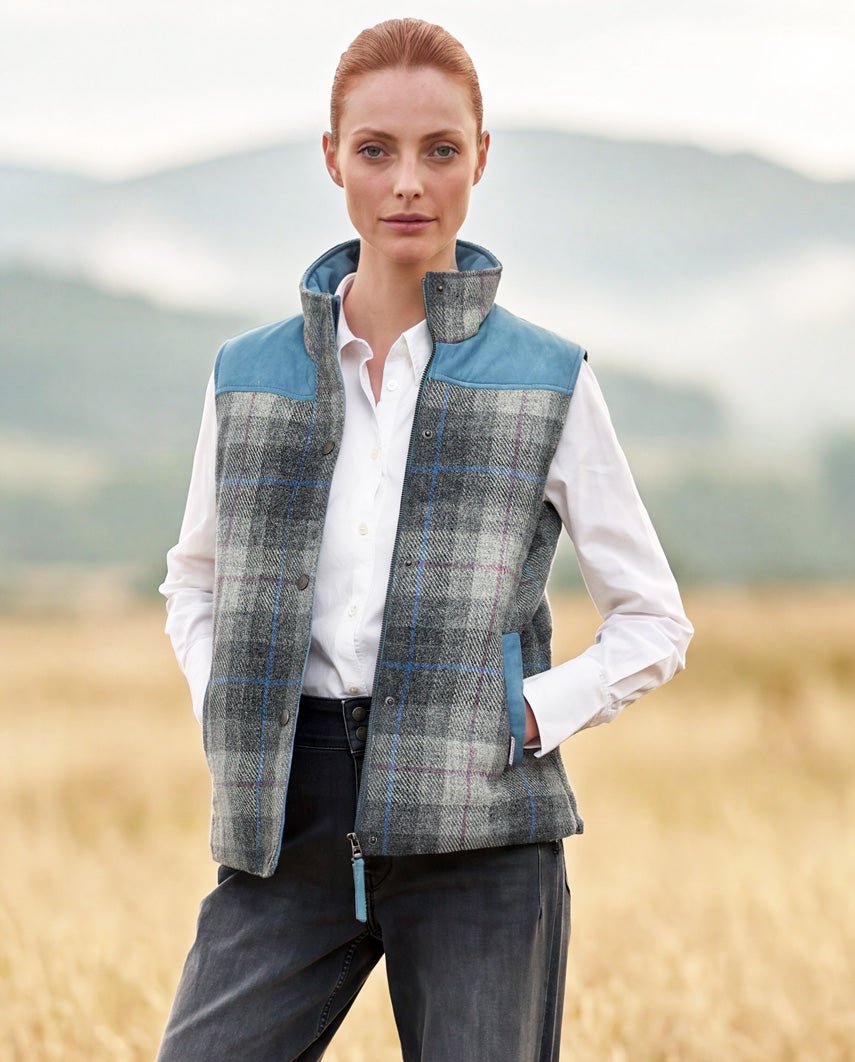
For outerwear, a wool or wool-cashmere coat for more formal occasions, a waxed jacket for a country feel, or a quilted jacket for transitional weather fit in perfectly. For shoes, quiet, classic shapes are essential: loafers, brogues, Budapesters, or Chelsea boots, kept in brown or cognac tones and ideally matched in color to the belt.

Combining the Old Money Style for Women
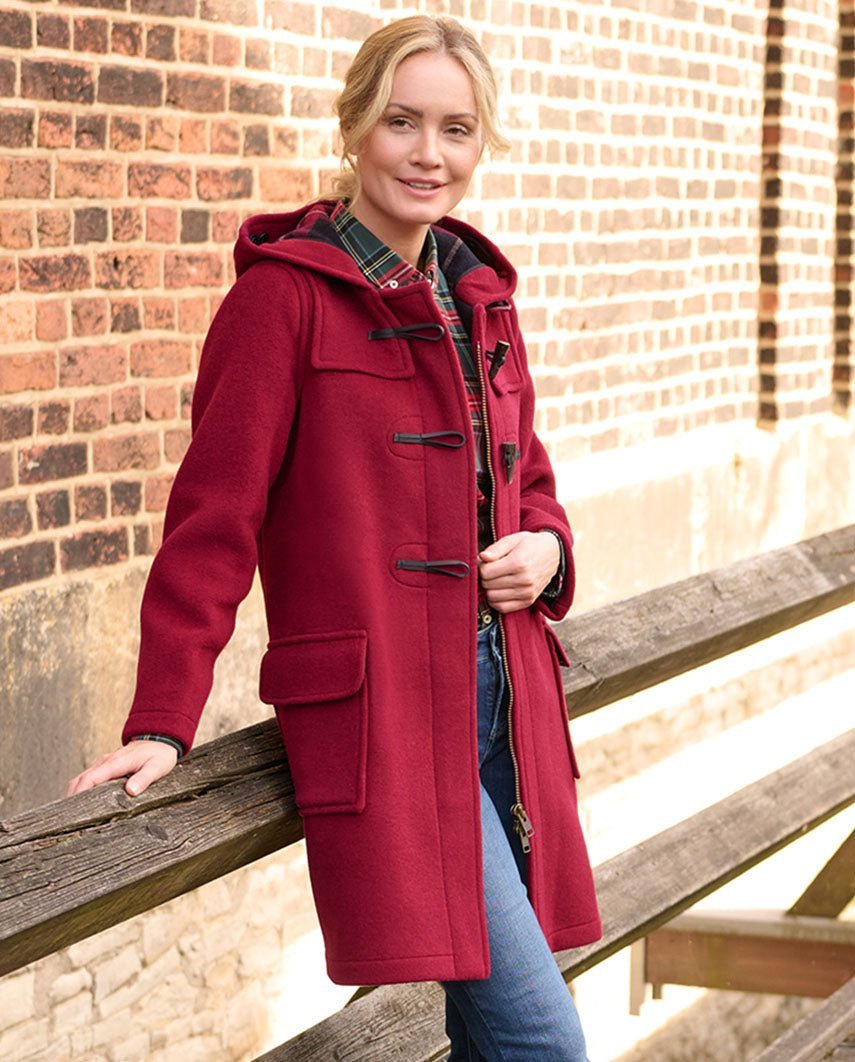
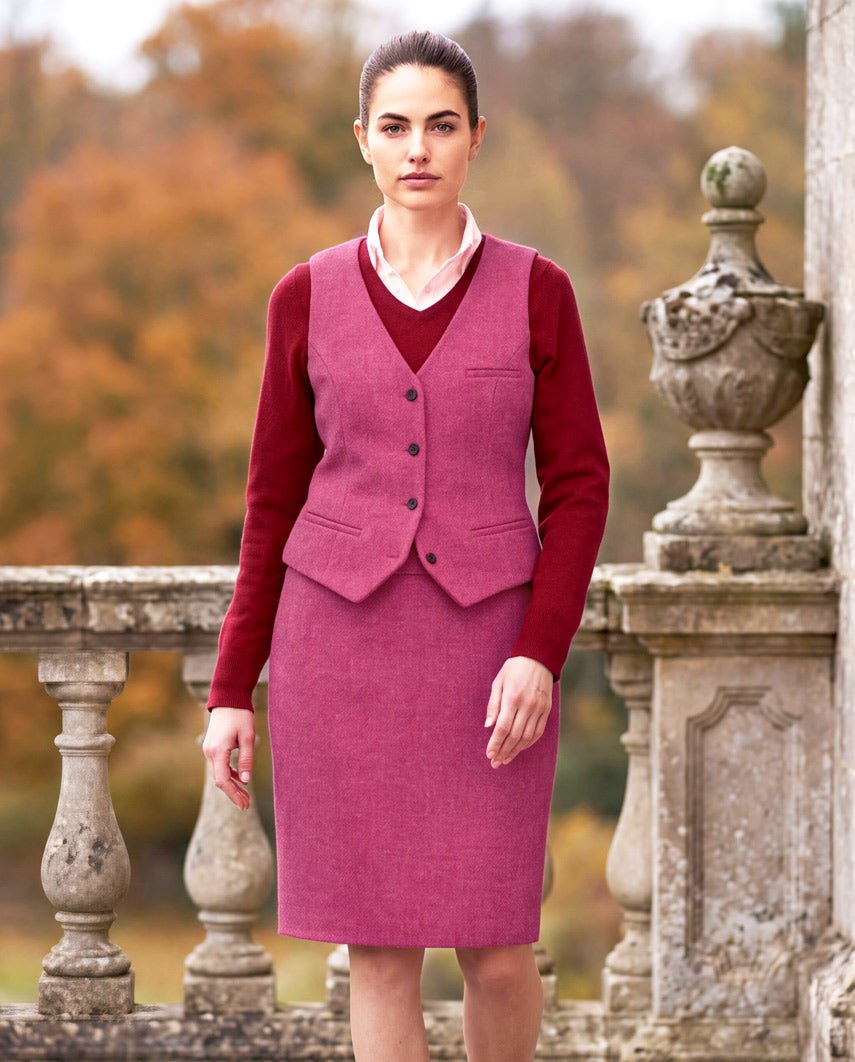
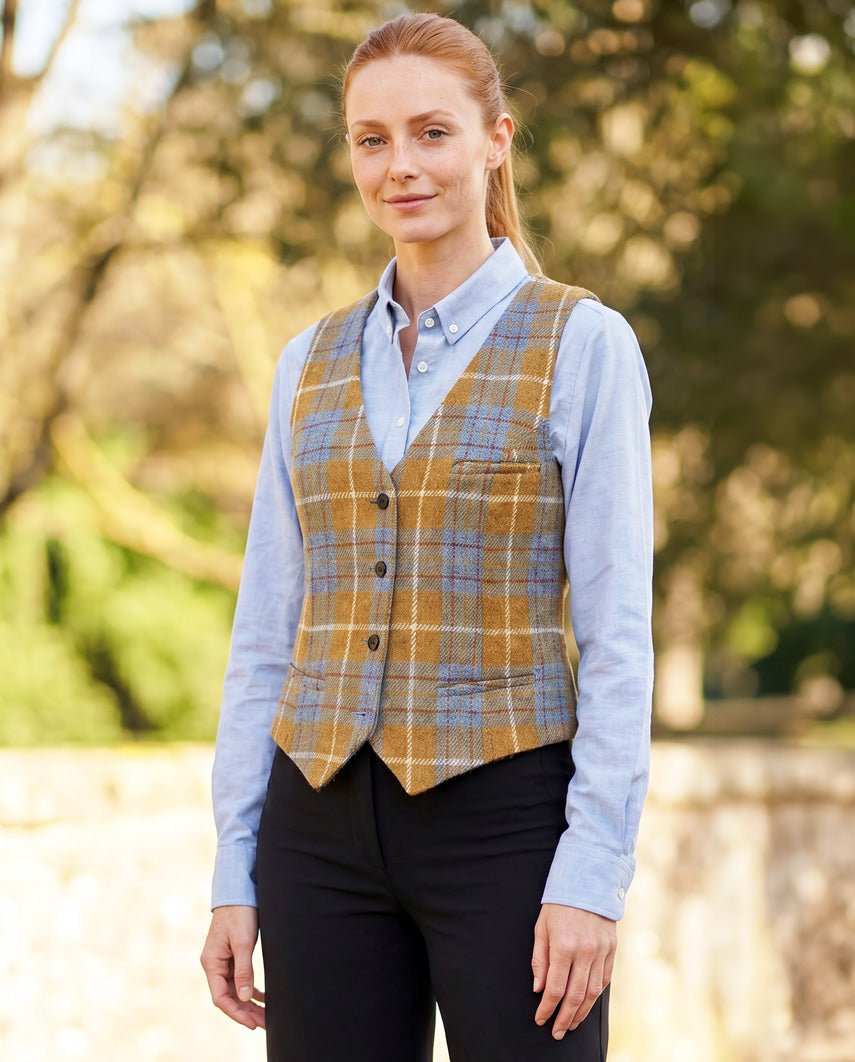
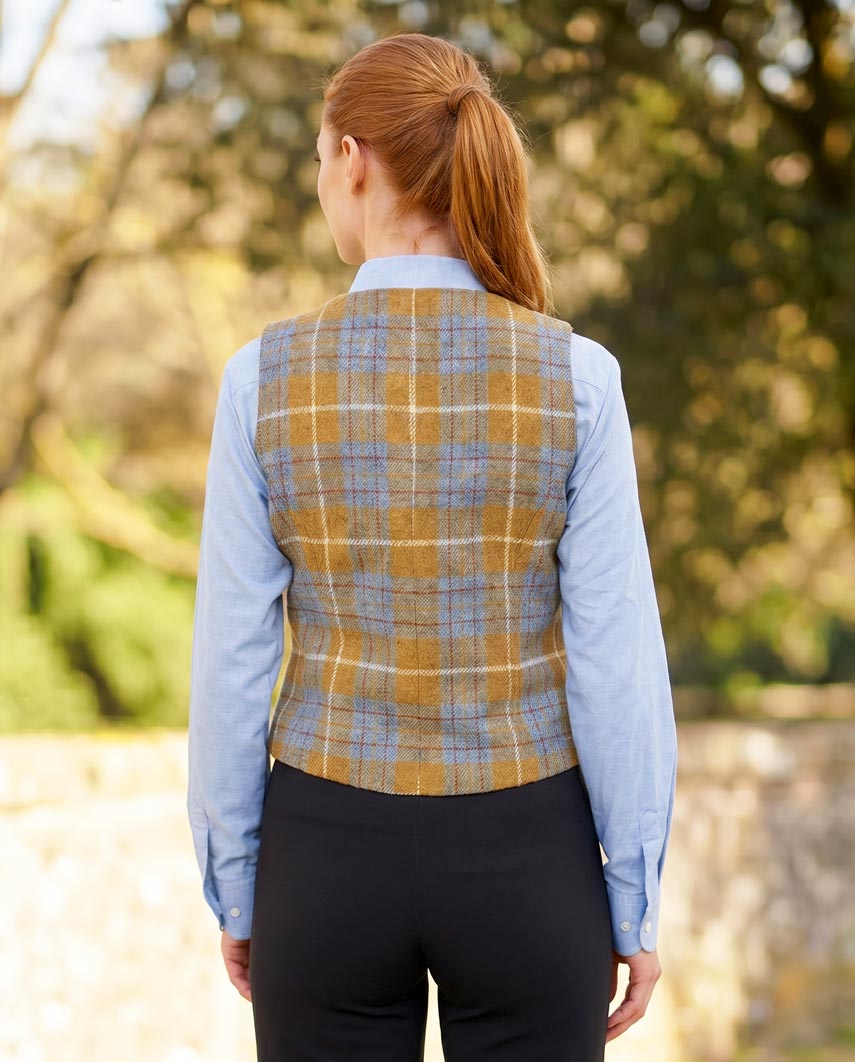
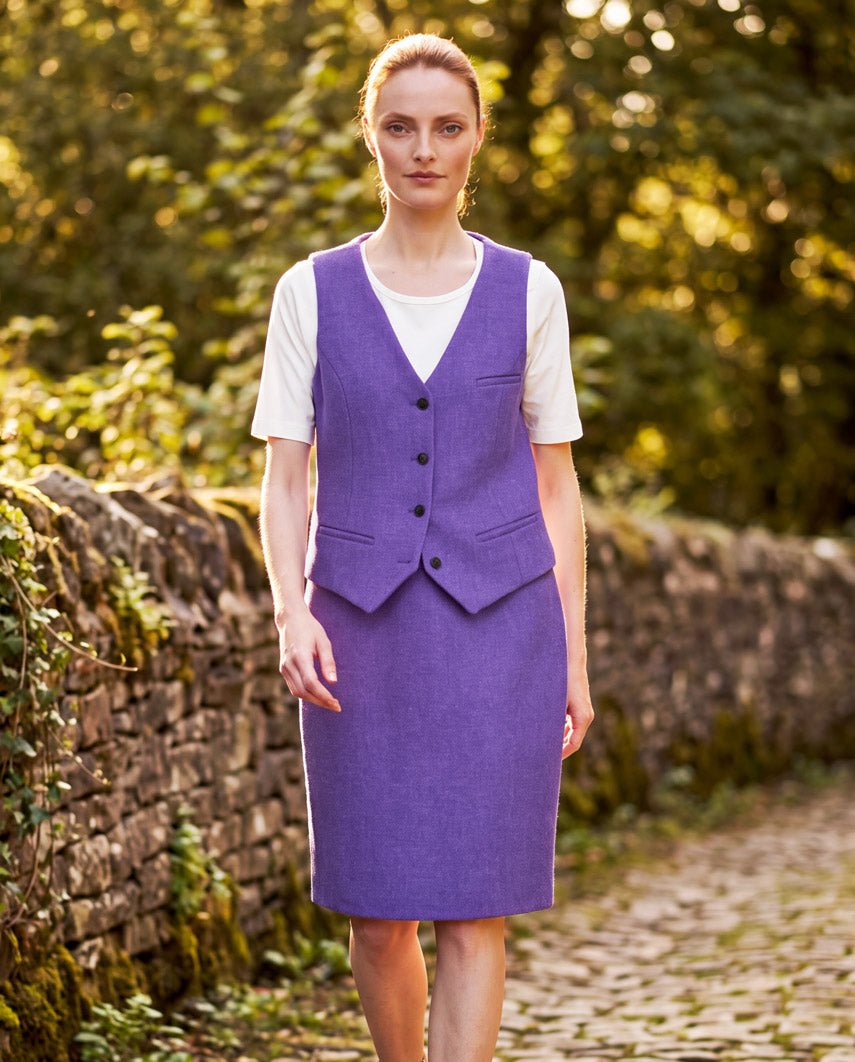
For women, the Old Money look follows the same logic of quality, quiet color palette, and clear silhouette. Key components are a tweed blazer and a wool-cashmere coat, both of which can be worn for years. The blazer looks just as harmonious with slim-fit trousers as it does with a midi skirt, and the coat provides a calm, high-quality framework as outerwear.
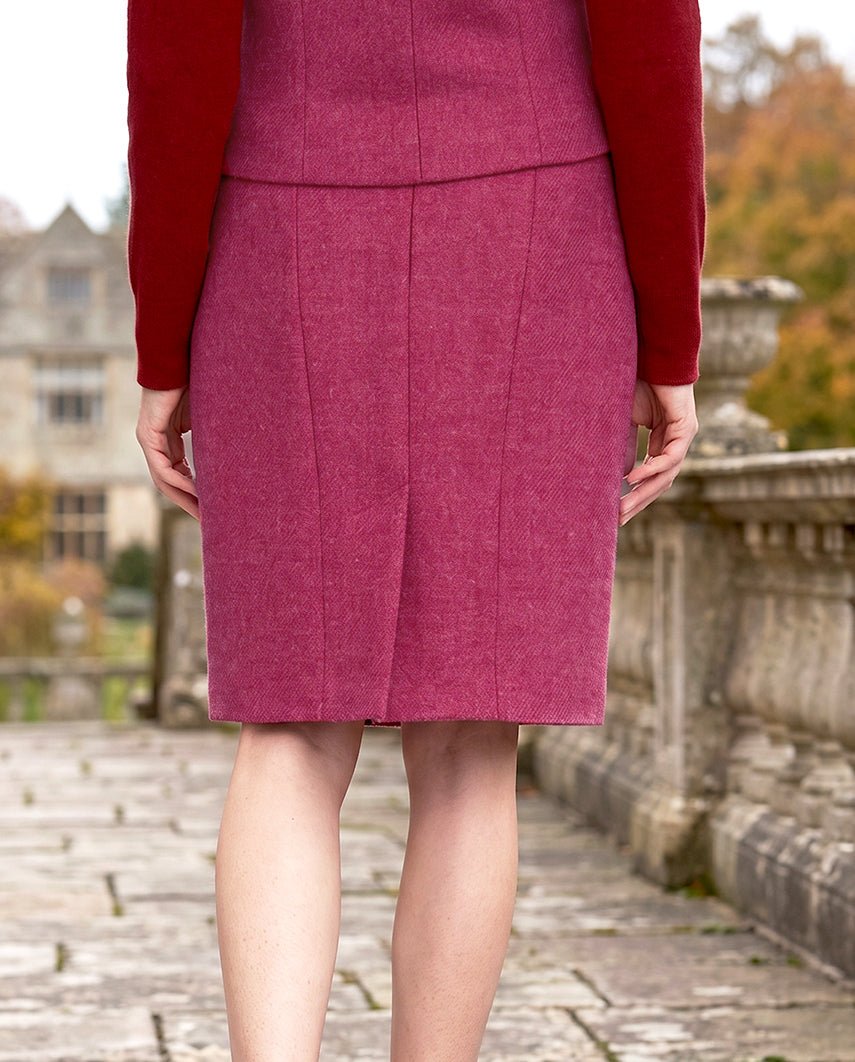
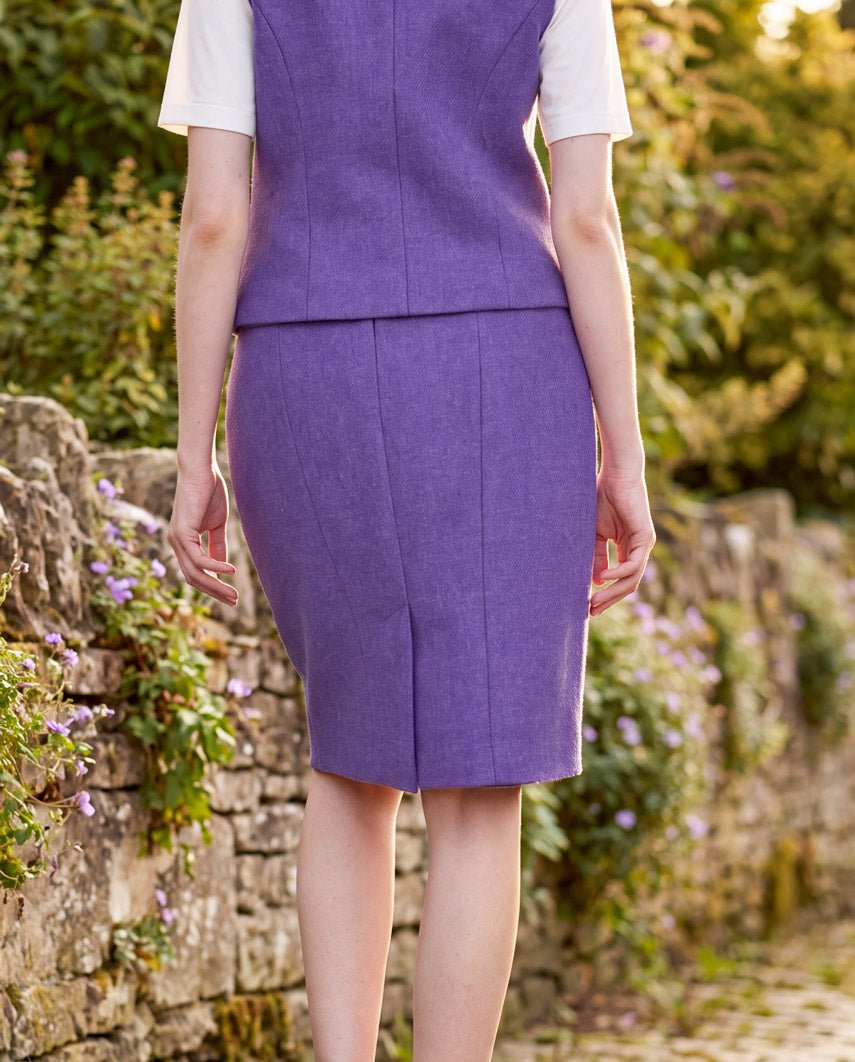
Underneath, fine knitwear made of cashmere or merino wool provides warmth and a soft feel, classically as a turtleneck, crew neck, or fine knit sweater in cream, camel, gray, or navy. This is complemented by slim-fit trousers or a skirt in a muted tone, often in tweed or wool, so that material and structure play the main role. As in menswear, the effect is created through texture and proportion, not through striking colors.
Accessories remain consciously minimal: a silk scarf, a slim leather bag in cognac or dark brown, and a classic watch suffice. For shoes, flat loafers, a simple pump in a muted tone, or riding boots fit harmoniously. Clear silhouettes and quiet colors carry the entire look; each piece fits neatly and subordinates itself to the harmonious overall impression.

Colors and Fit in the Old Money Style
The color palette of the Old Money style is deliberately muted and forms the foundation upon which everything else is built. Basic tones include camel, navy, olive, anthracite, various shades of brown, and cream, complemented by restrained accents like burgundy or a deep forest green. The appeal lies in the tone-on-tone principle: when several natural tones from the same family are combined, such as camel, beige, and brown, a calm, high-quality image emerges, where material and texture provide the contrast rather than color. Bold, loud colors and strong patterns disturb this calm and also go out of fashion more quickly.
Just as important as color is the fit, because an Old Money outfit relies on every piece fitting perfectly. The shoulder seam of a jacket or coat should end precisely on the shoulder, the sleeve length should show a narrow strip of the shirt cuff, and the trousers should rest neatly on the shoe with a slight, clean drape. A calm, clear silhouette is more important than any trend and determines whether the look appears valuable or arbitrary.
Accessories in the Old Money Style
Accessories complete the Old Money look, but always subordinate themselves to it. The guiding principle is restraint: a single, high-quality, and well-maintained piece has more impact than several flashy items. Material quality and a muted color scheme that blends into the quiet palette are crucial.
With leather accessories, quality particularly pays off, as fine leather develops its own patina over the years. A simple leather bag in brown or cognac, a slim leather belt, and shoes in the same color spectrum create a harmonious picture if their tones are coordinated. A classic watch on a leather strap, more understated than large, completes this part of the wardrobe.
In the textile sector, a wool scarf in a muted tone and a silk scarf are classics, complemented, in cooler moments, by fine leather gloves. A pocket square with a subtle paisley pattern adds a quiet, tradition-conscious accent without disturbing the overall impression. Finally, for the British country touch, a flat cap made of Harris Tweed fits perfectly, whose history and wearing style are explained in the guide Flat Cap and Schiebermütze. Thus, the overall impression remains calm, high-quality, and consistent over the years.
What Doesn't Fit the Old Money Style
Just as insightful as the suitable elements are the typical mistakes. Large, visible logos contradict the understatement that defines the style. Bright colors and striking patterns disrupt the quiet, muted color palette. And fast-fashion trend items made of inferior materials do not fit a style that prioritizes longevity.
The Old Money style thrives on a few high-quality pieces that go well together and are worn for a long time. Anyone who adheres to this basic rule is closer to the principle than with every single new piece of clothing.
Timeless Classics from Wellington of Bilmore
Since 1899, Wellington of Bilmore has stood for British-inspired heritage fashion with a clear focus on quality and longevity. The material worlds of Harris Tweed, wool-cashmere and merino, waxed cotton, and fine leather form the basis of a wardrobe in the spirit of quiet luxury.
Frequently Asked Questions About Old Money Style
What is the Old Money style?+
The Old Money style is a subtle approach to clothing where material quality, fit, and longevity take precedence over visible brands. It combines British country tradition with classic preppy heritage.
What is the difference between Old Money and Quiet Luxury?+
Both describe logo-free, high-quality clothing. Old Money refers to inherited wealth and lineage, while Quiet Luxury is the fashion term for the same understated luxury.
Which materials belong to the Old Money style?+
Typically, high-quality natural materials such as Harris Tweed, cashmere, merino wool, waxed cotton, and fine leather are used.
Which colors suit the Old Money style?+
Understated natural tones such as camel, navy, olive, anthracite, burgundy, and cream are particularly suitable as they can be combined in many ways.
Which shoes suit the Old Money style?+
Classic shoes such as loafers, brogues, Budapester, and Chelsea boots in brown or cognac tones integrate harmoniously. For women, riding boots are also suitable.
Is Old Money a trend?+
The term is currently widespread, but the principle behind it is not new. It is based on durability and quality, making it more of a lasting attitude than a fleeting trend.
How do you recognize high-quality clothing without logos?+
By high-quality natural fibers, clean workmanship, a good fit, and subdued, versatile colors. A look at the label and inner seams helps with classification.