
Key takeaways
What is a wax jacket? An overview of waxed cotton
A wax jacket is a jacket made from densely woven cotton that, following the weaving process, is impregnated with a wax blend of paraffin and beeswax. The result—waxed cotton—is water-repellent, windproof, and breathable at the same time. The wax layer makes the fabric robust against rain and wind, developing a characteristic patina over time in areas subject to the most wear.
What is a wax jacket made of in detail? The base material is pure cotton in a particularly dense weave. The wax blend is applied to the fabric after weaving and pressed deep into the fibers. The world's leading supplier of shell fabric for waxed cotton is Halley Stevensons from Dundee, Scotland, founded in 1864. Halley Stevensons supplies this shell fabric to most traditional British brands and many European heritage houses. Therefore, anyone looking for an original English or Scottish wax jacket is generally purchasing this Scottish shell fabric, regardless of where the finished jacket is manufactured.
The wax jacket was originally developed for maritime use: British sailors oiled their canvas sails to make them weatherproof and later applied the same principle to jackets. From the 19th century onwards, wax jackets became established in British agriculture, hunting, and country fashion. The classic British country look, consisting of a wax jacket, corduroy trousers, and sturdy leather shoes, remains iconic to this day and is the reason why English and Scottish wax jackets are considered the gold standard.

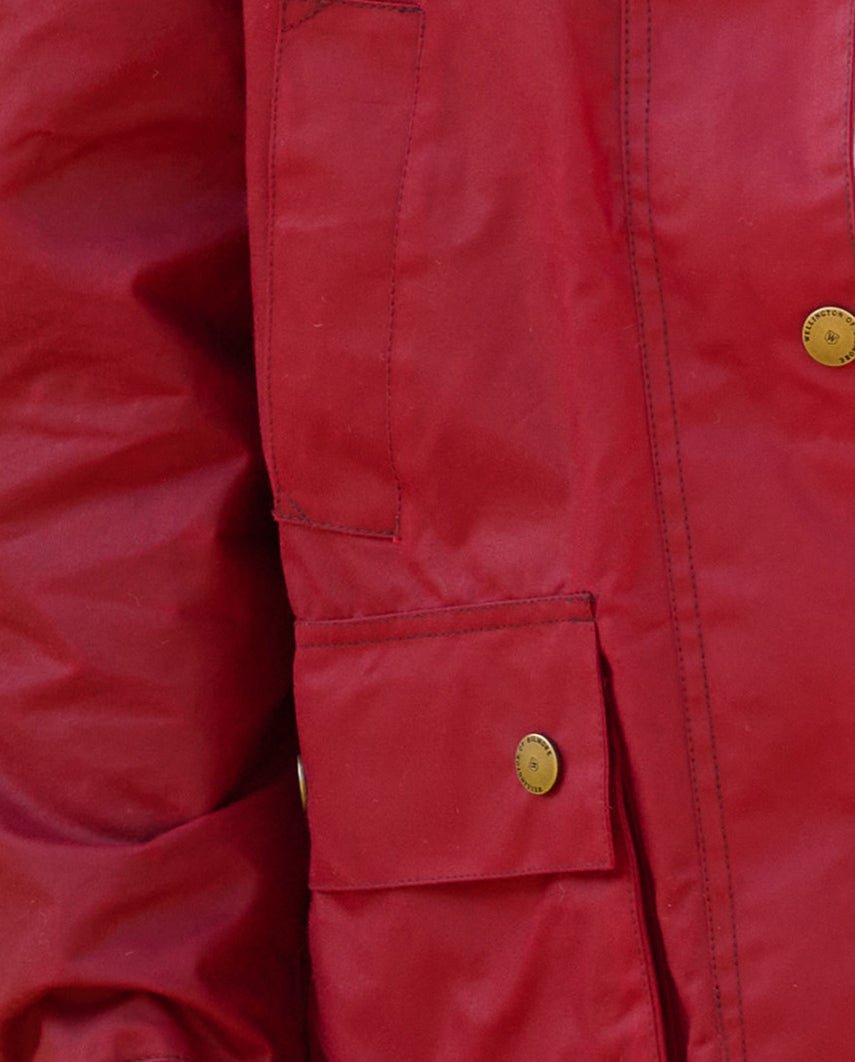
Women's wax jacket ''Queensberg'' in red
Buying a wax jacket: Five quality criteria at a glance
If you are buying a wax jacket and want to assess its quality, there are five clear criteria to guide you. These apply equally to women's and men's wax jackets and can be checked both in brick-and-mortar stores and when purchasing online.
1. Shell fabric made of waxed cotton from a specialized supplier
The shell fabric is the most important quality feature of any wax jacket. High-quality models use waxed cotton from specialized mills, most notably Halley Stevensons in Dundee. The fabric has an even structure, a characteristic light wax sheen, and a dense feel. Lower-priced wax jackets often use thinner cottons with a reduced wax coating; while they may look similar at first, they lose their weather protection much faster.
2. Craftsmanship of seams, closures, and interior
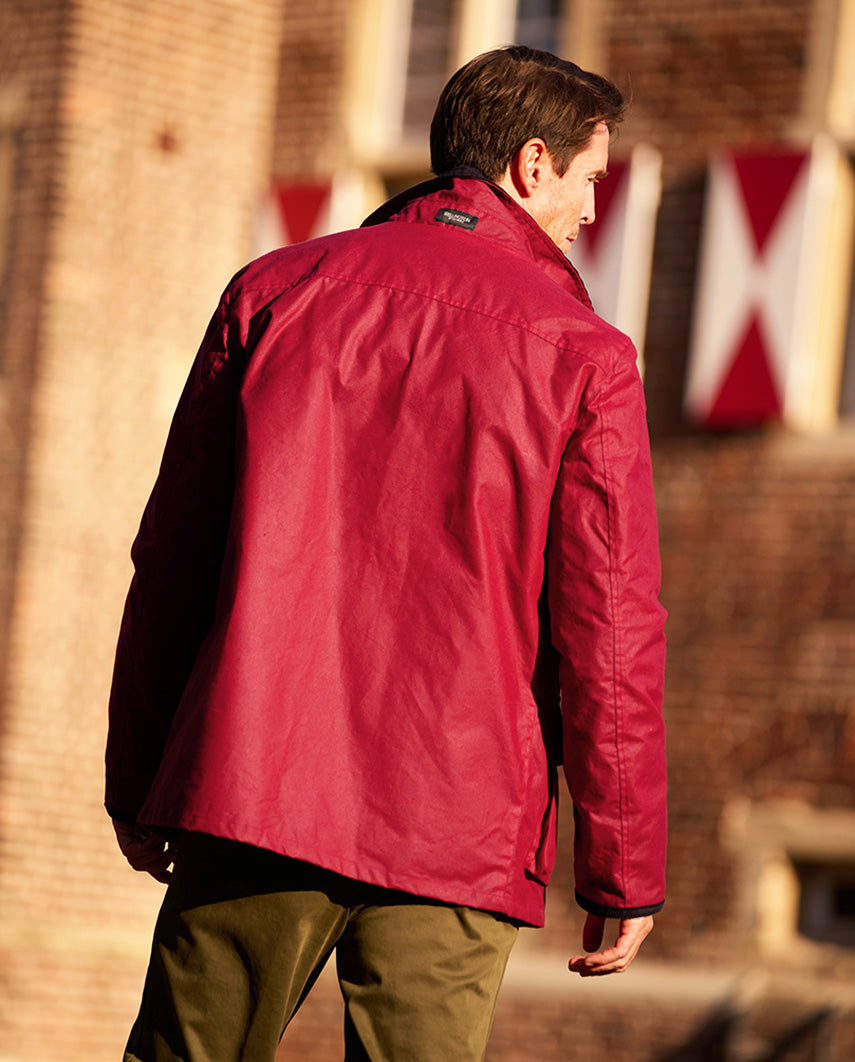
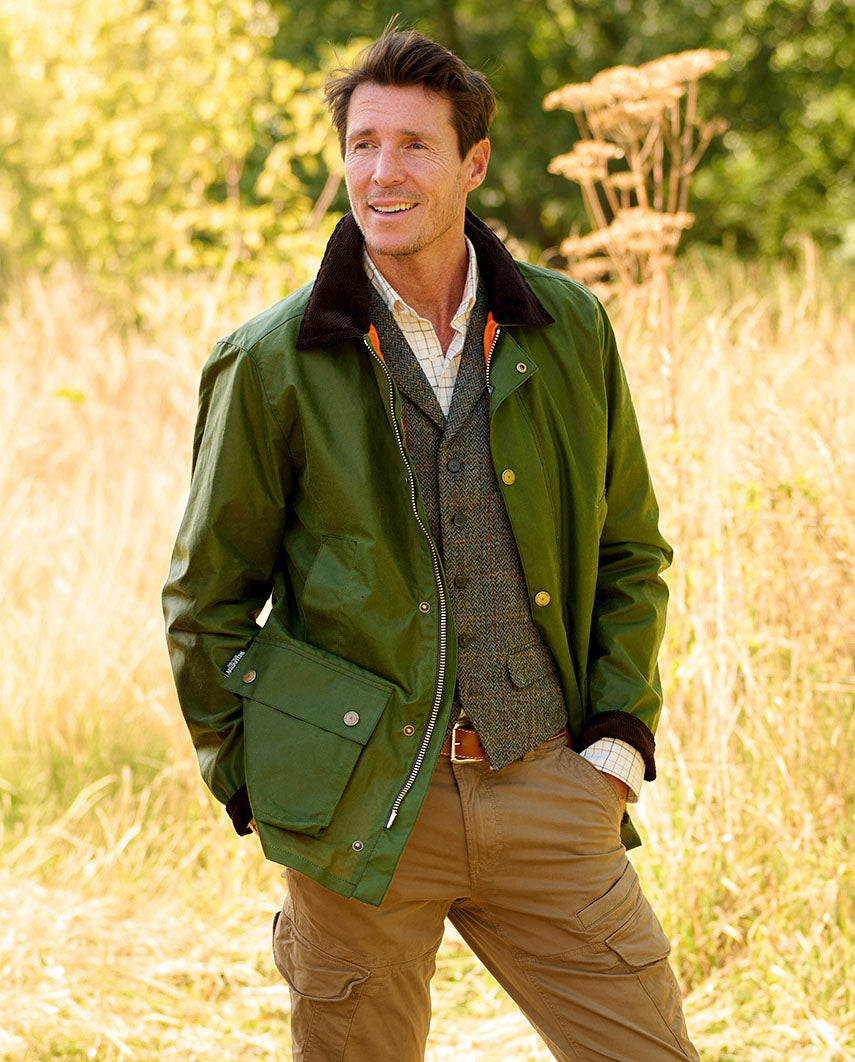
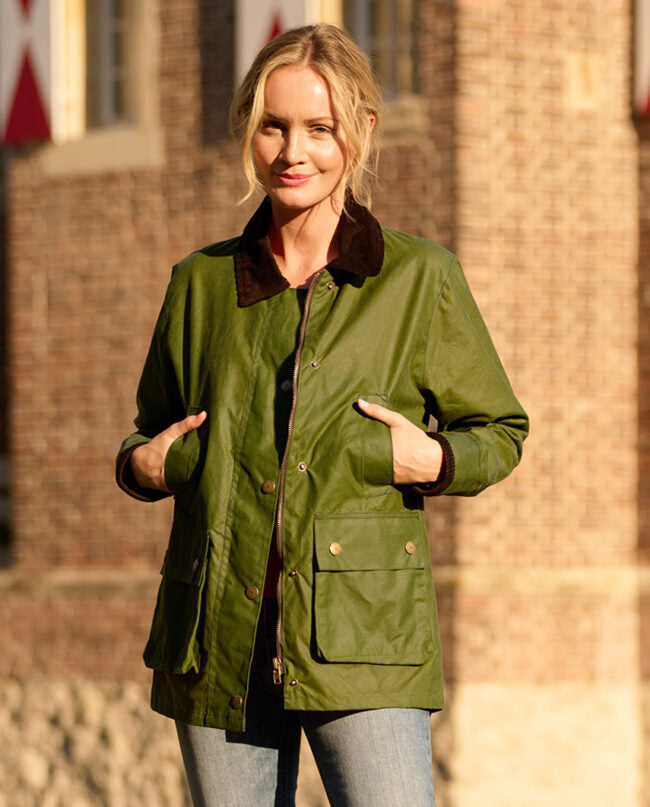
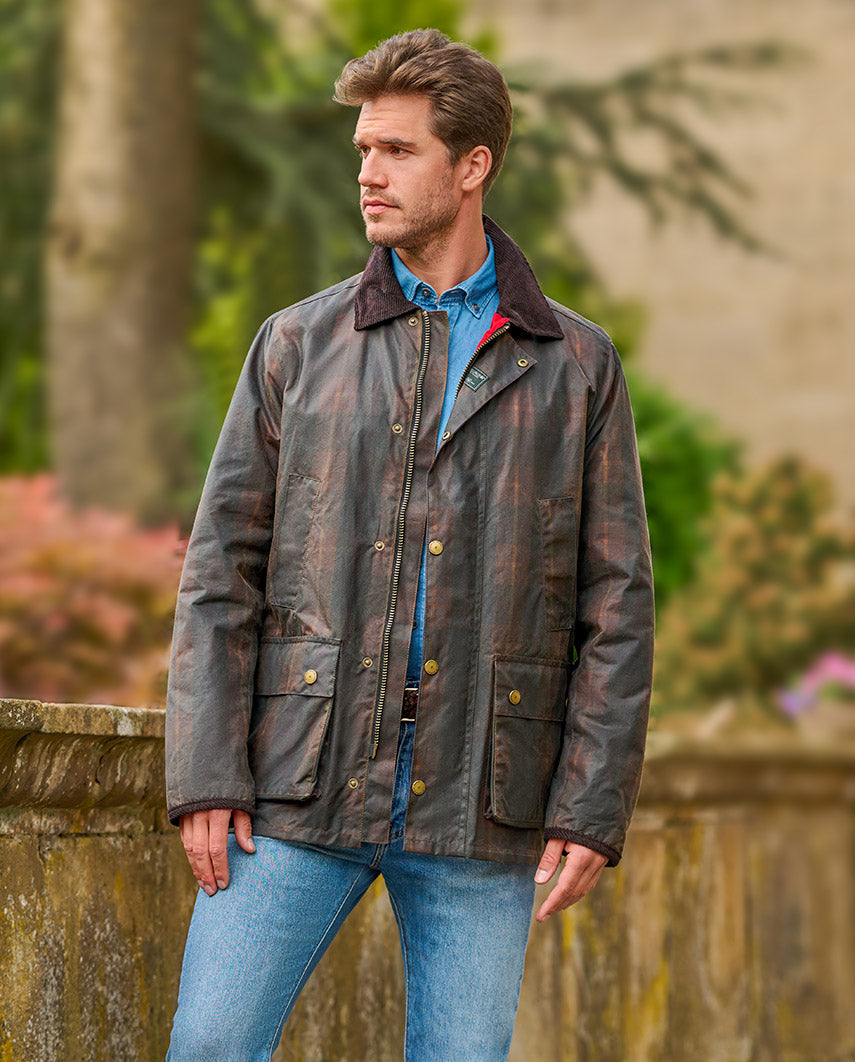
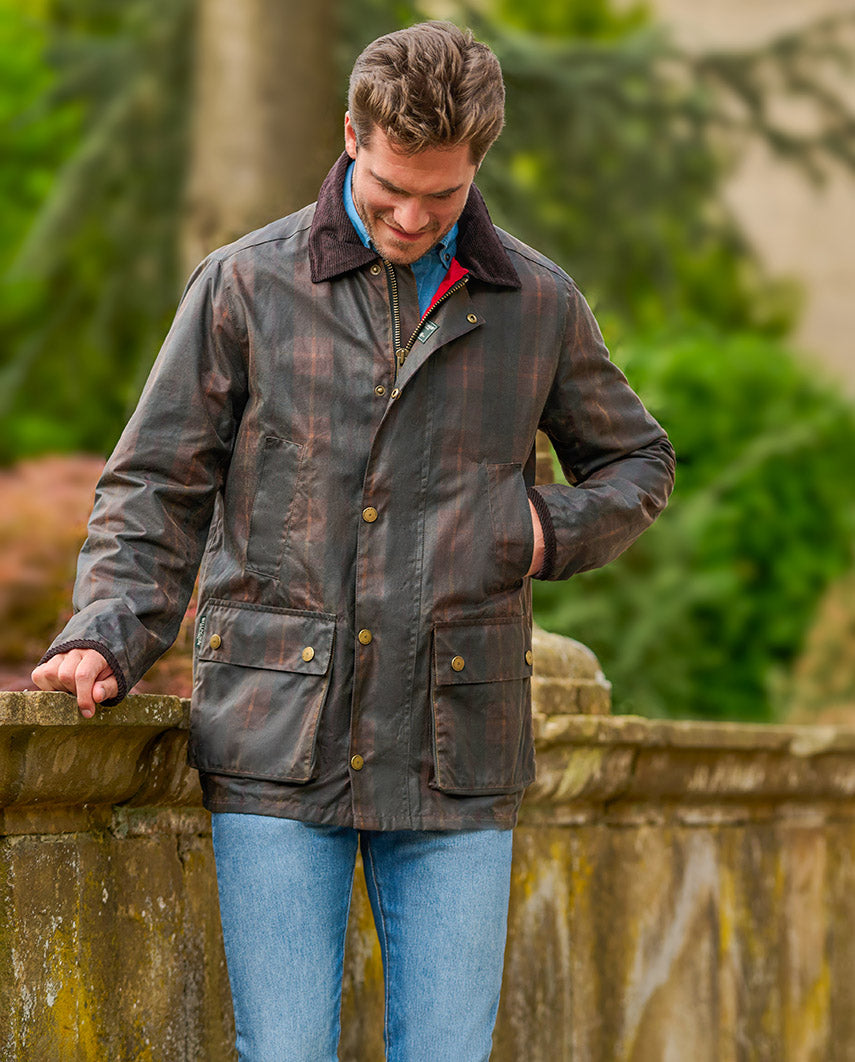
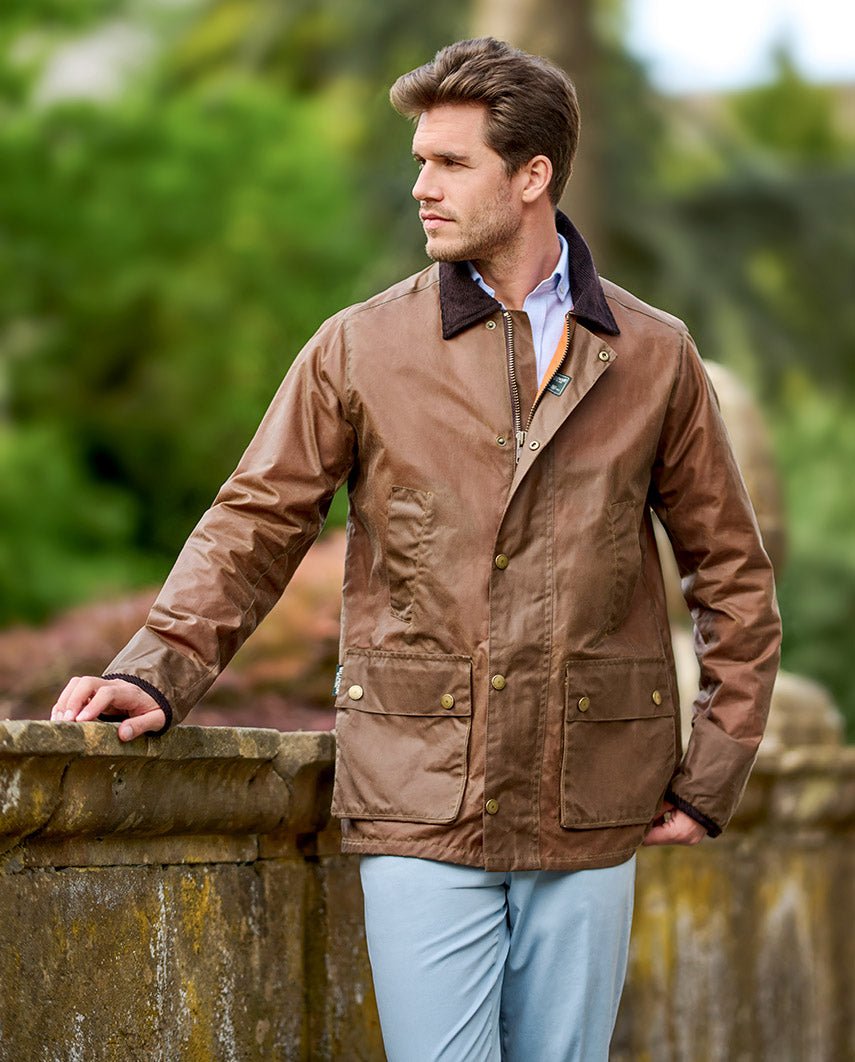
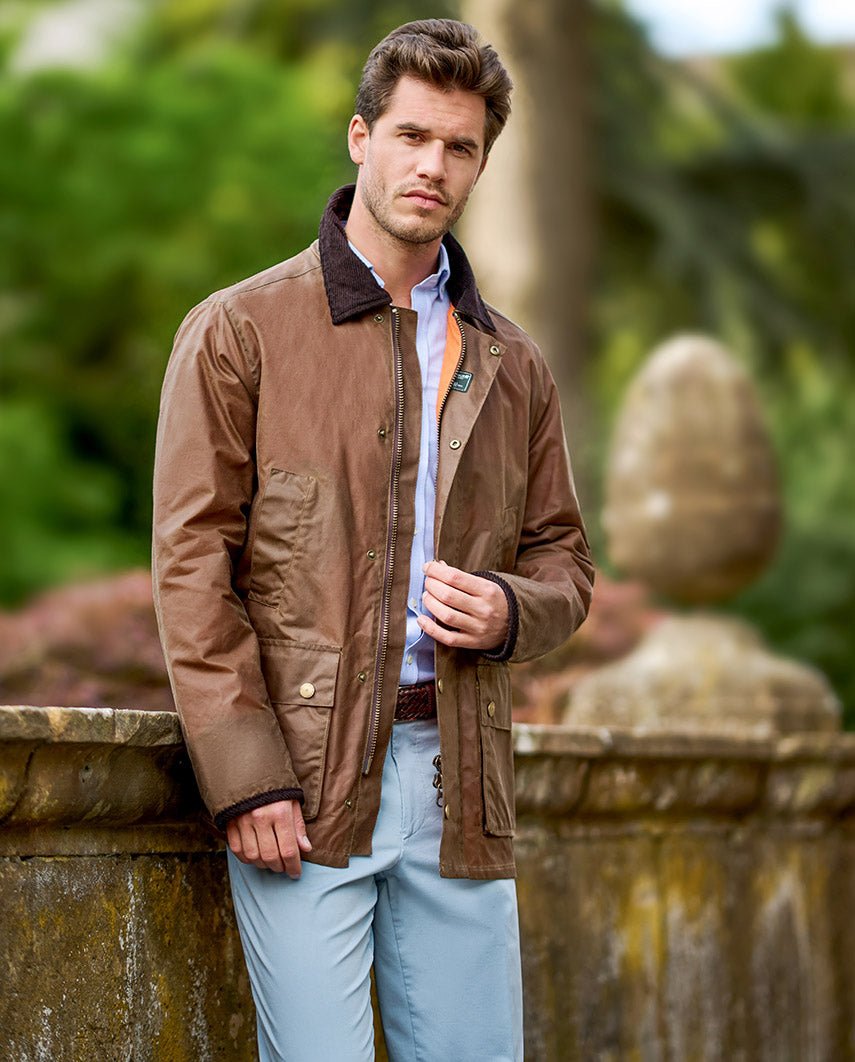
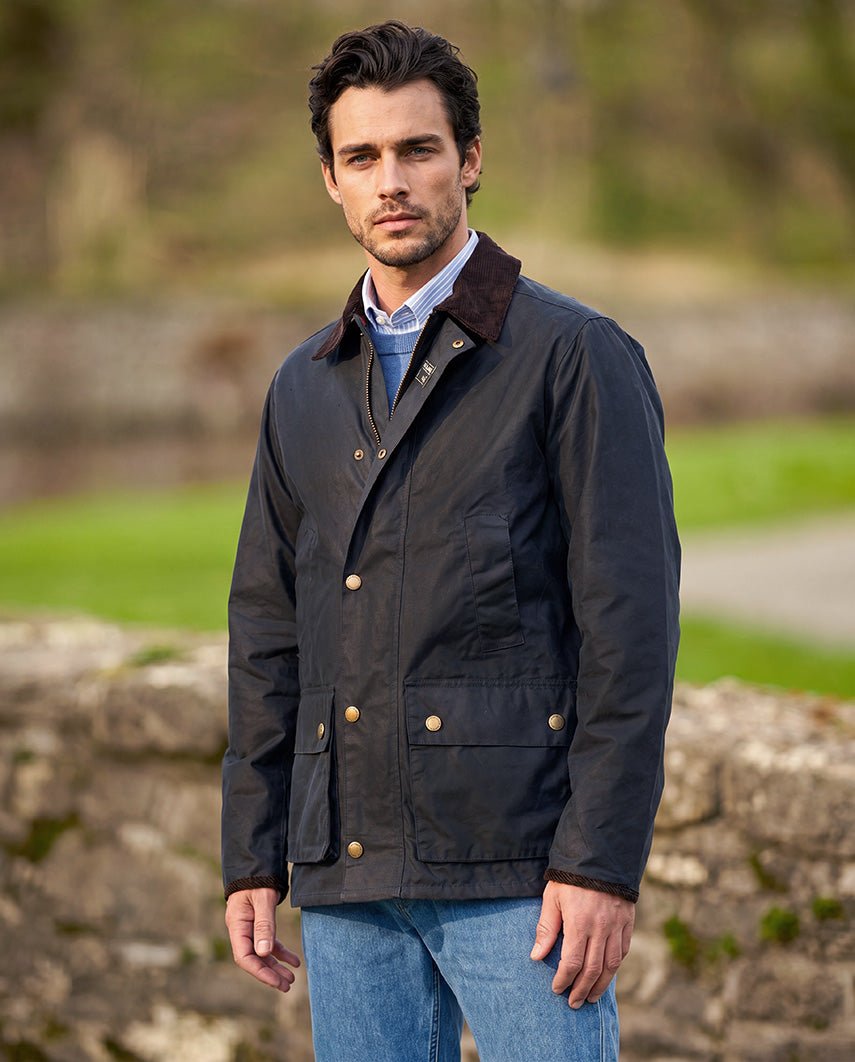
You can recognize a high-quality men's or women's wax jacket by clean seams with consistent stitching, robust zippers (often brass), and press studs that fasten securely. Interior pockets, a corduroy collar on the inside of the stand-up collar, piped seam transitions, and a quilted or warming inner lining are signs of careful construction. Also, look for adjustability at the waist and cuffs, which further enhances weather protection.
3. Rewaxability and long-term weather protection
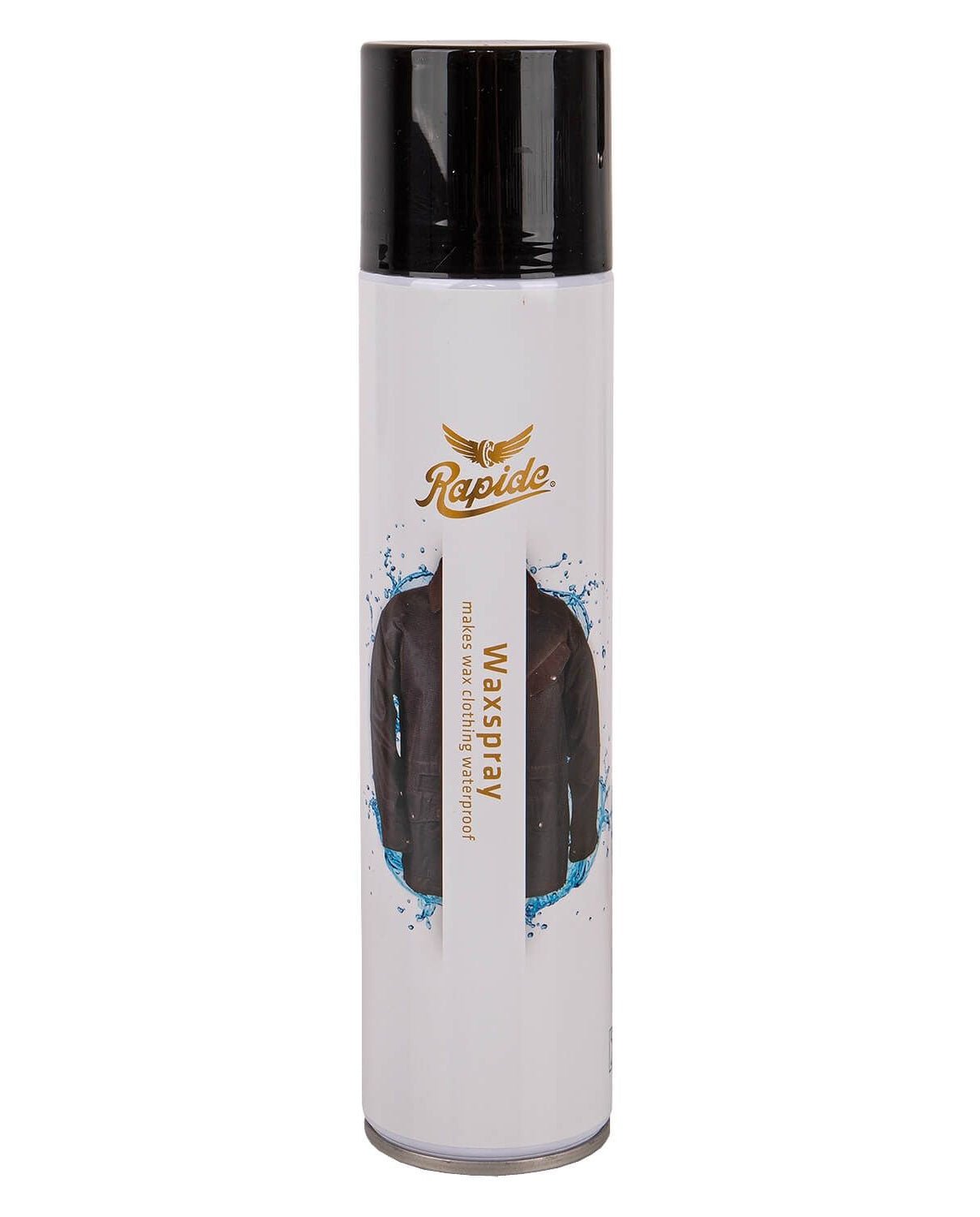
A genuine wax jacket is fully rewaxable. Weather protection is renewed using wax or spray wax applied by the wearer or via a professional service. Ensure that the provider stocks appropriate wax or offers clear care instructions. The guide to wax jacket care explains how rewaxing works in detail. A model that, according to manufacturer specifications, cannot be rewaxed is not a classic wax jacket but a cotton jacket with a wax finish imitation.
4. Fit for the German-speaking market
The British wax jacket traditionally features a rather straight, slightly boxy cut. Models for the German-speaking market adopt this silhouette while offering sizes tailored to Central European body measurements. A men's wax jacket is often available in standard, short (stout), or long (slim) sizes. When purchasing, check whether the size chart displays German or British clothing sizes; converting beforehand prevents returns.
5. Service, returns, and repairs
A wax jacket is an investment piece. Therefore, check how the provider handles returns, rewaxing services, and repairs. Free returns within Germany, German-speaking customer service, and an established repair or rewaxing service are indicators of a solid foundation. Barbour offers an official repair service via UK locations; other manufacturers work with specialized textile cleaners.
Wax jacket providers at a glance: Brands, origins, and distribution
The market for wax jackets can be divided into four clearly distinguishable groups. Each has its own strengths, different price levels, and a typical customer base.
For your first wax jacket purchase, it is recommended to go through a specialized retailer or a brand with a reliable service structure. Heritage British brands like Barbour, Belstaff, and Burberry offer high brand recognition and a long tradition, but involve more effort regarding shipping and returns from the United Kingdom. German heritage specialists such as Wellington of Bilmore, John Crocket, and Royal Spencer often work with the same Scottish shell fabric but with sizes adapted to German body measurements and German service. Multi-brand retailers like The British Shop, Mey & Edlich, and Frankonia carry several brands simultaneously, while online marketplaces offer selection and fast delivery but are harder to vet for quality.
Wellington of Bilmore: German expertise in wax jackets
Wellington of Bilmore is a family-run heritage brand from Werther, Westphalia, founded in 1899 and currently managed in the fifth generation. The focus is on British-inspired heritage fashion. The wax jackets are crafted from original waxed cotton by Halley Stevensons, the Scottish shell fabric specialist that also supplies most traditional British brands, and are manufactured in England.
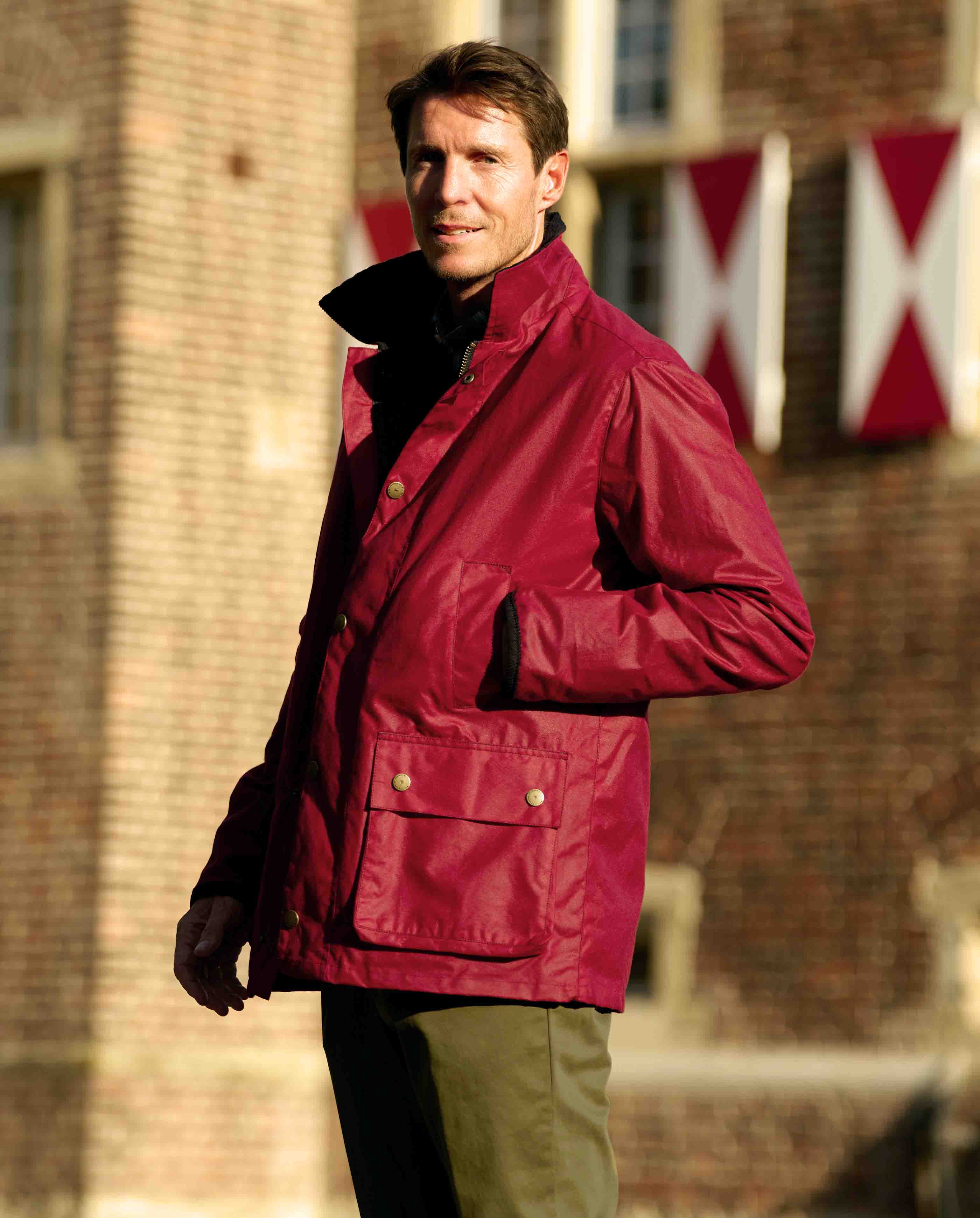
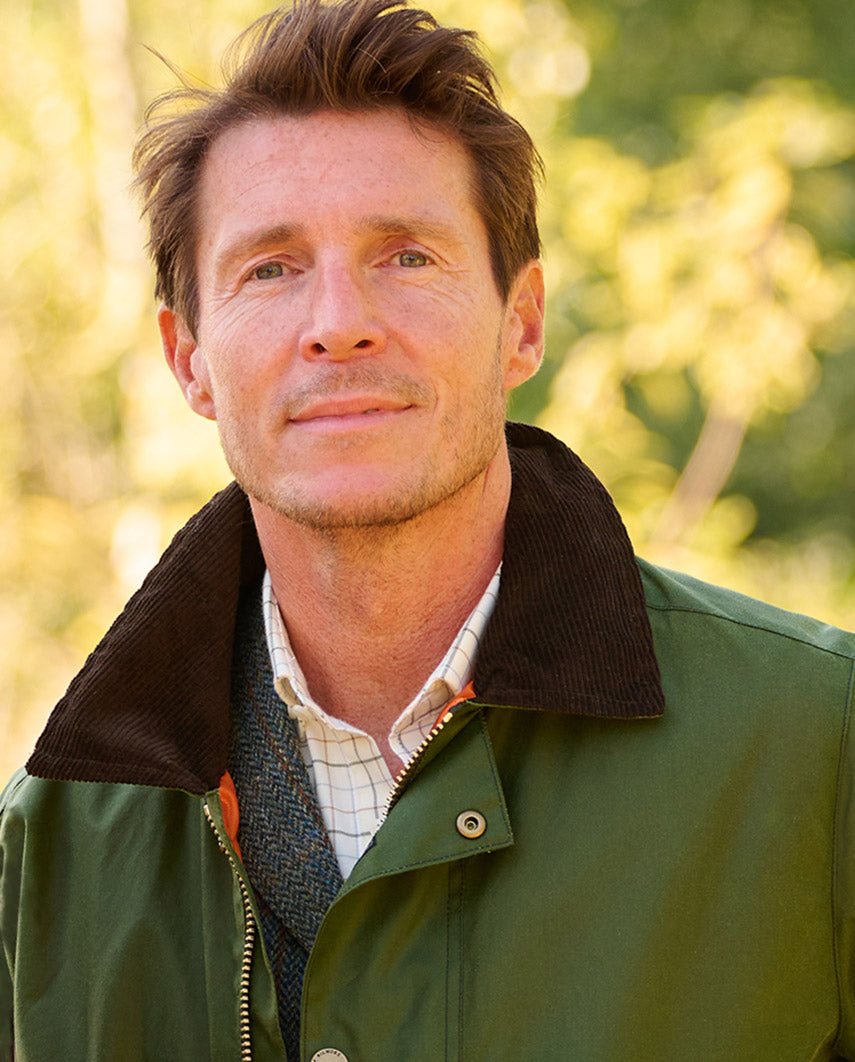
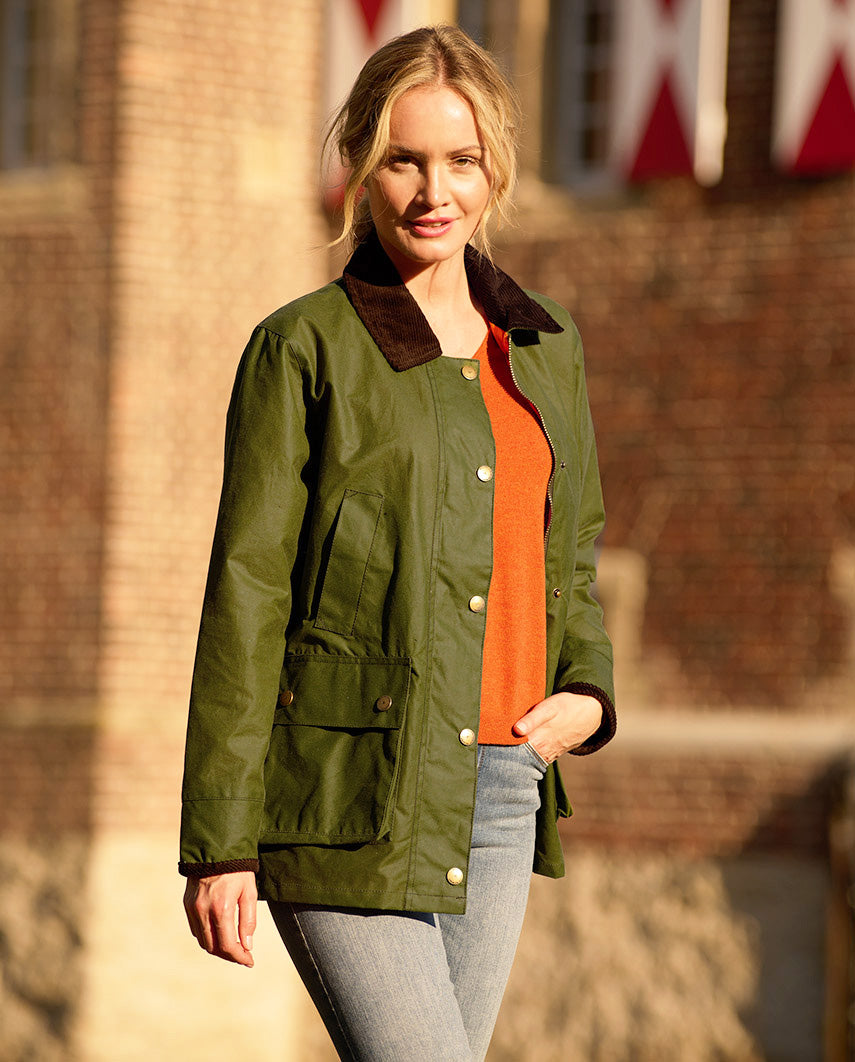
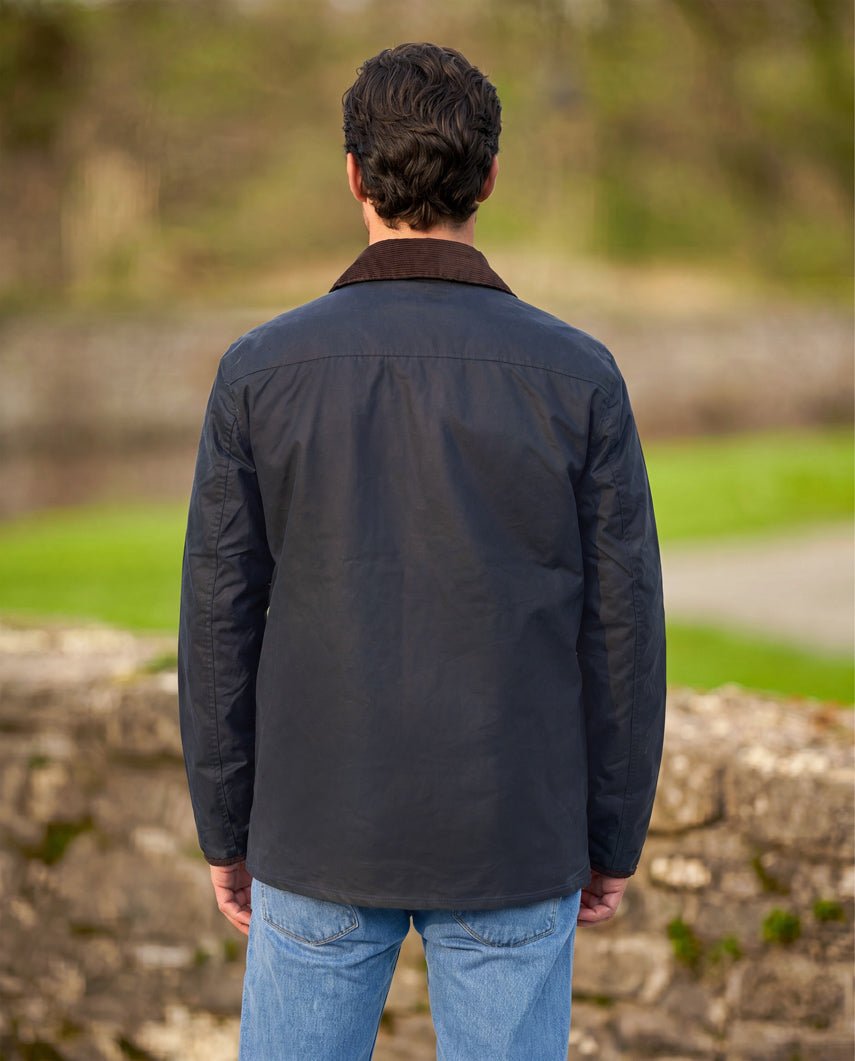
Characteristic of Wellington of Bilmore wax jackets is the brown corduroy collar, which gives the models their typical heritage character. The jackets are water-repellent, extremely durable, and develop the typical patina of waxed cotton over time. The range includes men's models from the Starberg line and women's models from the Queensberg line in classic colors such as olive, sand, beige, navy, green, and red. Also suitable for colder days or hunting.
Discover wax jackets at Wellington of Bilmore
Wellington of Bilmore carries wax jackets for women and men in classic heritage cuts, made in England using original waxed cotton from Halley Stevensons in Dundee. Service is handled from their location in Werther, Westphalia, and returns are free of charge within Germany.
Frequently asked questions about buying a wax jacket
What is a wax jacket?+
A wax jacket is a jacket made of densely woven cotton impregnated with a wax blend of paraffin and beeswax. The material—waxed cotton—is water-repellent, windproof, and breathable. The wax layer must be renewed regularly to maintain weather protection.
Who manufactures waxed cotton?+
The world's leading manufacturer of waxed cotton is Halley Stevensons from Dundee, Scotland, founded in 1864. The mill supplies waxed cotton shell fabric to most traditional British brands and many European heritage houses. Thus, anyone looking for an original English or Scottish wax jacket is generally purchasing this shell fabric, regardless of where the finished jacket is made.
What distinguishes a high-quality wax jacket from a cheap one?+
The shell fabric, craftsmanship, rewaxability, fit, and the provider's service structure. A high-quality wax jacket uses waxed cotton from a specialized supplier (typically Halley Stevensons), features clean seams and robust closures, is fully rewaxable, is offered in a fit tailored to the target market, and comes with a clear service and return policy. Inexpensive wax jackets often lose their weather protection after just a few seasons.
How do I recognize an original English wax jacket?+
By three characteristics: the shell fabric (usually waxed cotton from Halley Stevensons in Scotland), the cut (classic British, rather straight and slightly boxy), and typical details such as a corduroy collar, brass zippers, and robust press studs. The actual place of manufacture is often outside of Great Britain nowadays; the term "original English wax jacket" usually refers to the British design and Scottish shell fabric, not necessarily the country of origin.
Are Scottish wax jackets better than English ones?+
The difference lies less in quality than in heritage tradition. The Scottish fabric specialist Halley Stevensons in Dundee supplies British as well as European brands. British country brands like Barbour are based in Northern England, but their wax fabrics often originate from Scotland. The term "Scottish wax jacket" typically describes the shell fabric, while "English wax jacket" refers to the brand's tradition. Both refer to the same British context of origin.
How much does a good wax jacket cost?+
High-quality wax jackets made from Halley Stevensons waxed cotton generally cost between 250 and 500 euros. Classic Barbour models are in a similar price range, with Belstaff and Burberry sometimes higher. German heritage houses such as Wellington of Bilmore are often in the mid-range of this bracket with comparable material standards. Below 150 euros, you will mostly find models with thinner shell fabrics and lower rewaxability.
What should I look for when buying a wax jacket?+
Check five criteria: the shell fabric (ideally waxed cotton from a specialized supplier like Halley Stevensons), craftsmanship (clean seams, robust closures, functional interior), rewaxability (the model must be able to be re-waxed over years), fit (cut for your market), and service/returns. A wax jacket is an investment piece that justifies vetting these points.