
Key takeaways
What is teatime?
In British everyday life, teatime refers to the time for afternoon tea. In its festive form, this is afternoon tea, a small, elegant meal of tea, fine sandwiches, scones and pastries. Afternoon tea is less a quick drink than a sociable ritual that combines enjoyment and good company.
The history of afternoon tea
Afternoon tea is attributed to Anna Maria Russell, the 7th Duchess of Bedford and lady-in-waiting to Queen Victoria. Around 1840, many hours passed between an early lunch and a late dinner at eight or nine in the evening. To stave off afternoon hunger, the Duchess had tea, bread with butter and cake brought to her.
Soon she invited friends to join her, and afternoon tea became a social event in high society. In the Victorian era, it was also an occasion to dress elegantly, and for women, an opportunity to receive mixed company, giving it a social significance beyond enjoyment. Later, grand houses such as the Ritz and Claridge's began to offer afternoon tea, thus cementing its place in British culture.
Afternoon tea, high tea and cream tea: the differences
The terms are often confused, but they mean different things.
-
Afternoon tea: the elegant afternoon variant with fine sandwiches, scones with clotted cream and jam, as well as pastries, served at low tables.
-
High tea: contrary to a common misconception, not the more refined form, but a hearty dinner. Historically, it was taken by the working population at the high dining table, with hearty dishes.
-
Cream tea: the small variant of tea with scones, clotted cream and jam. It is suitable as a sweet stopover when it is not intended to be a full meal.
When is teatime in England?
Classic afternoon tea is usually taken between 3 and 5 p.m., often around 4 p.m. In some regions and households, tea also refers to an early evening dinner. However, the festive teatime in the sense of afternoon tea is firmly rooted in the afternoon.
What is included in afternoon tea?
Afternoon tea is classically served on a three-tiered stand. This includes a selection of teas, while the food is spread across three levels.
-
Bottom: fine sandwiches, for example with cucumber, egg or salmon
-
Middle: warm scones with clotted cream and jam
-
Top: cakes, tarts and fine pastries
Which tea is included in afternoon tea?
Afternoon tea traditionally includes black tea brewed from loose leaves. Classic varieties are English Breakfast, Earl Grey, Darjeeling and Assam, often served to choose from. Whether the milk goes into the cup before or after the tea is a popular point of contention and ultimately a matter of taste. What is more important is to let the tea steep sufficiently and enjoy it hot and fresh.
Etiquette at afternoon tea
Several rules of etiquette have become established around afternoon tea.
Eat in the order of the stand: first the savory sandwiches, then the scones, and finally the sweet treats.
Break scones by hand, instead of cutting them, and spread them piece by piece.
On the question of jam or clotted cream first, there are two schools: in Devon, the cream first; in Cornwall, the jam first.
Stir the tea gently back and forth instead of in circles and set the spoon down afterwards.
The pinky finger held out is not a requirement, contrary to the cliché.
What do you wear to afternoon tea? The dress code
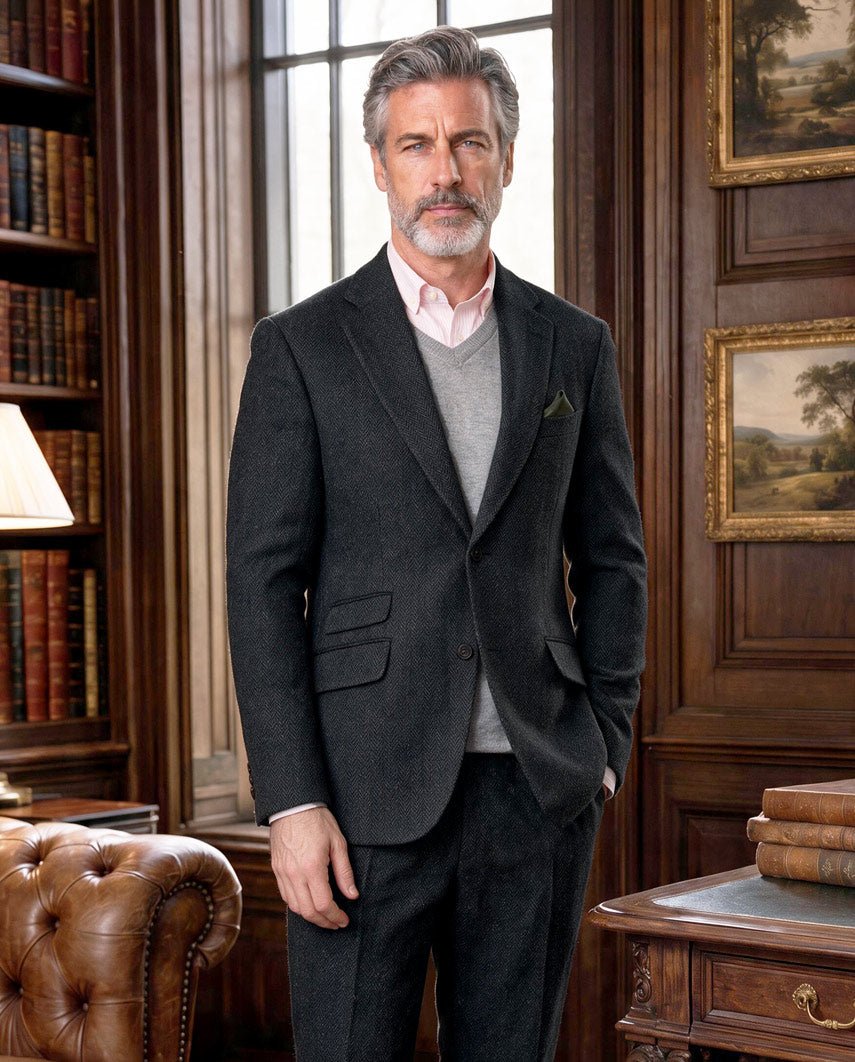
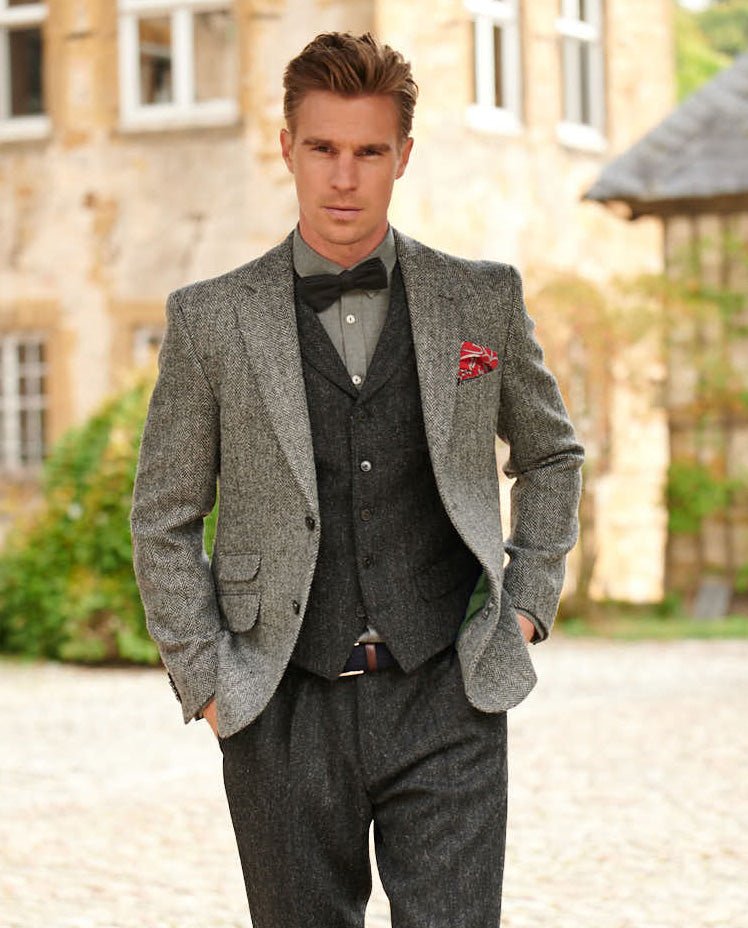
The dress code for afternoon tea is generally smart-casual, meaning neat but not stiff. How strict it is depends on the venue. In a cozy tea salon, a neat smart-casual look is sufficient. In fine houses such as the Ritz, however, a more formal setting applies: men are expected to wear a jacket and tie, and ladies dress accordingly elegantly. Sportswear, jeans and trainers are inappropriate in such places. At a summer garden event, it can be lighter and brighter, but just as neat. It is advisable to ask about the dress code of the respective venue in advance.
For men
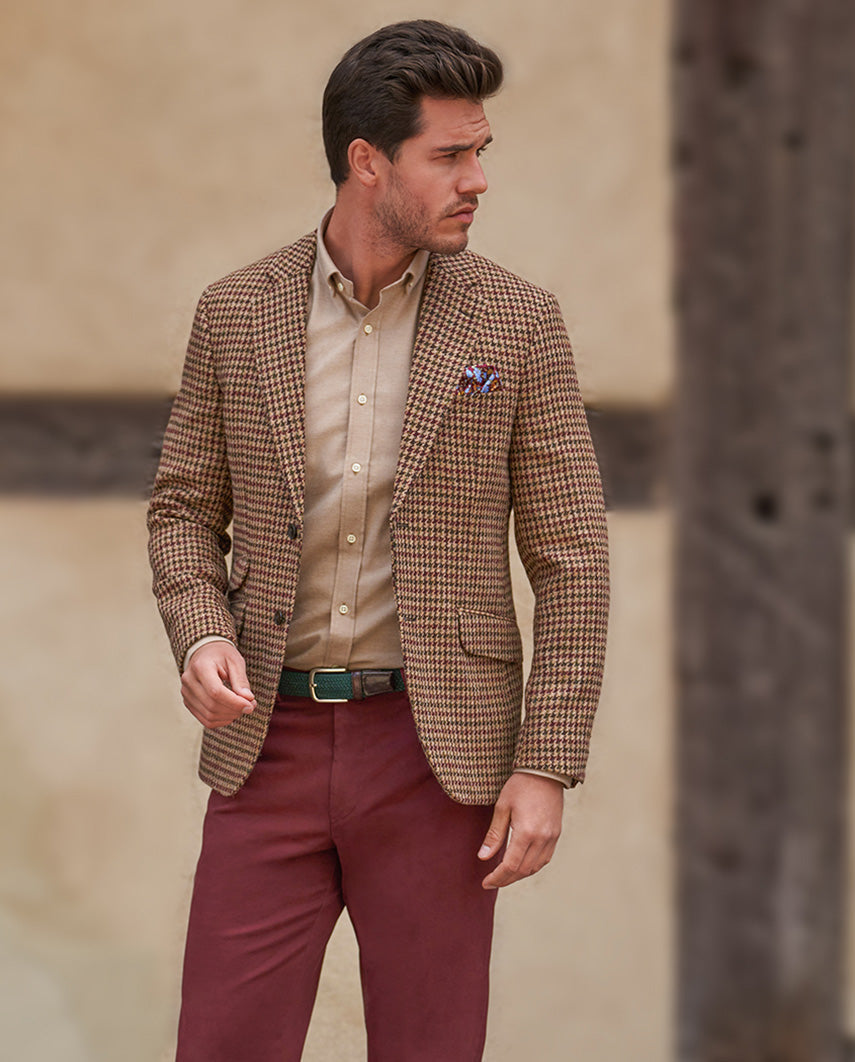
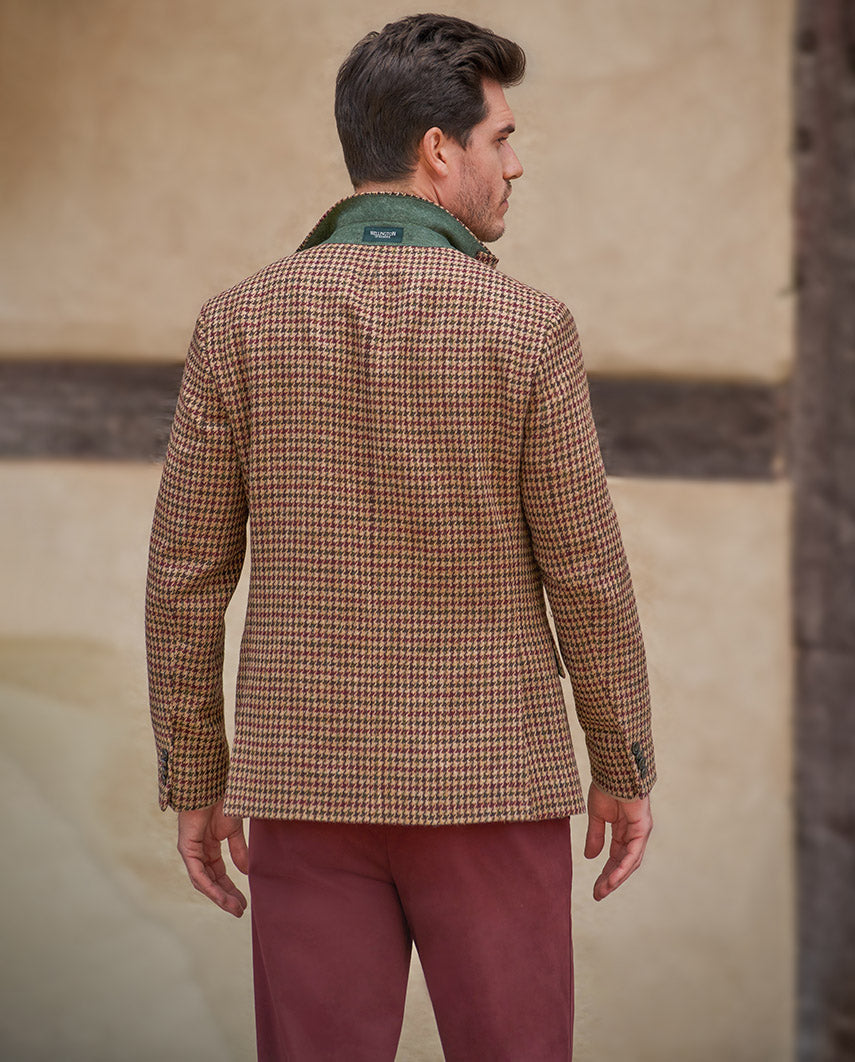
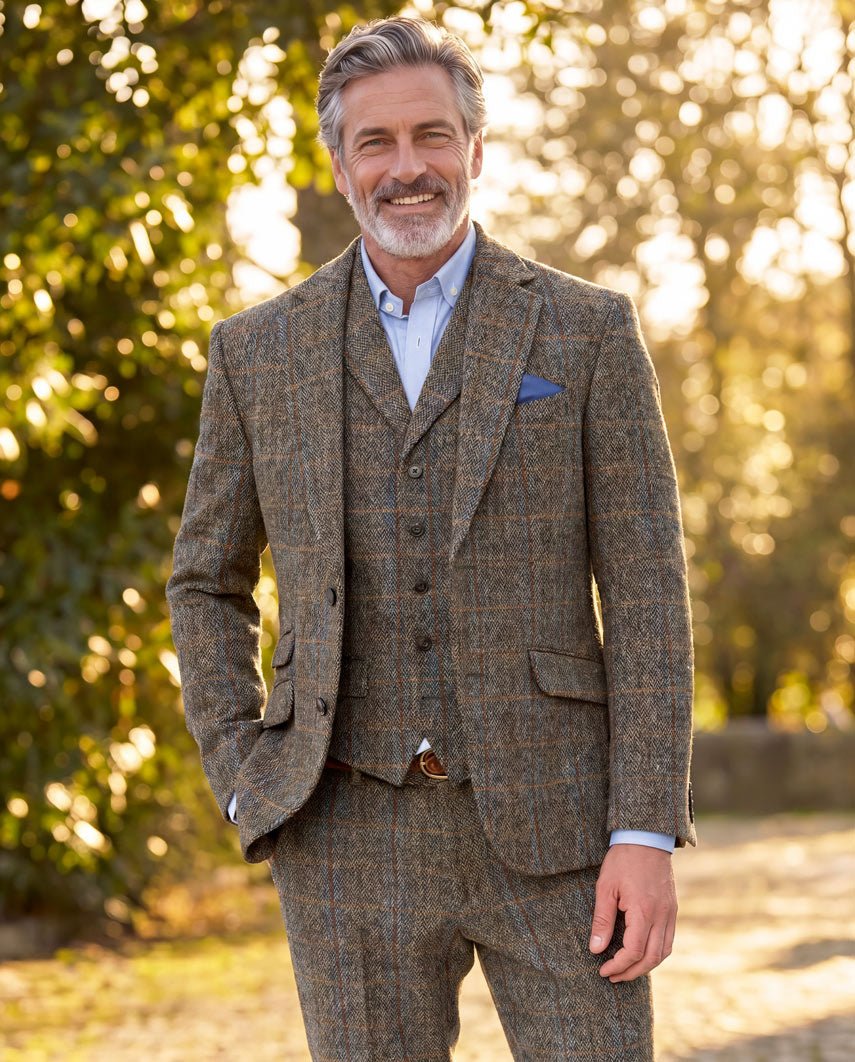
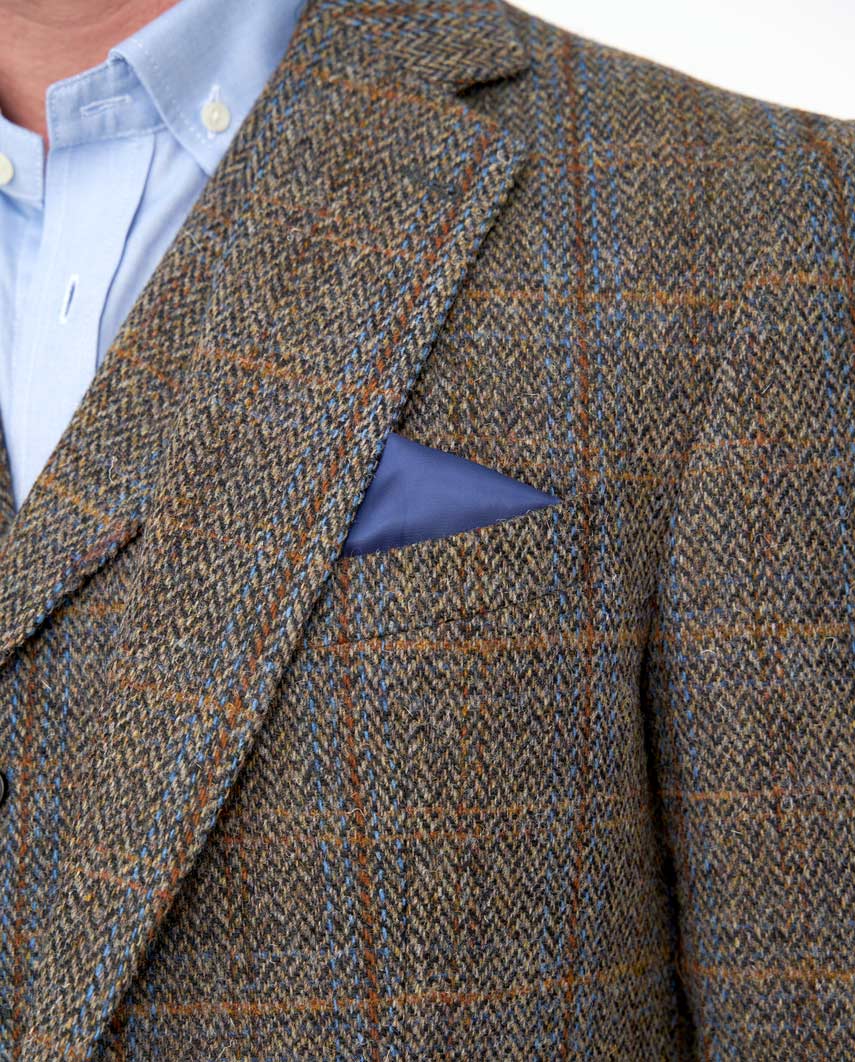
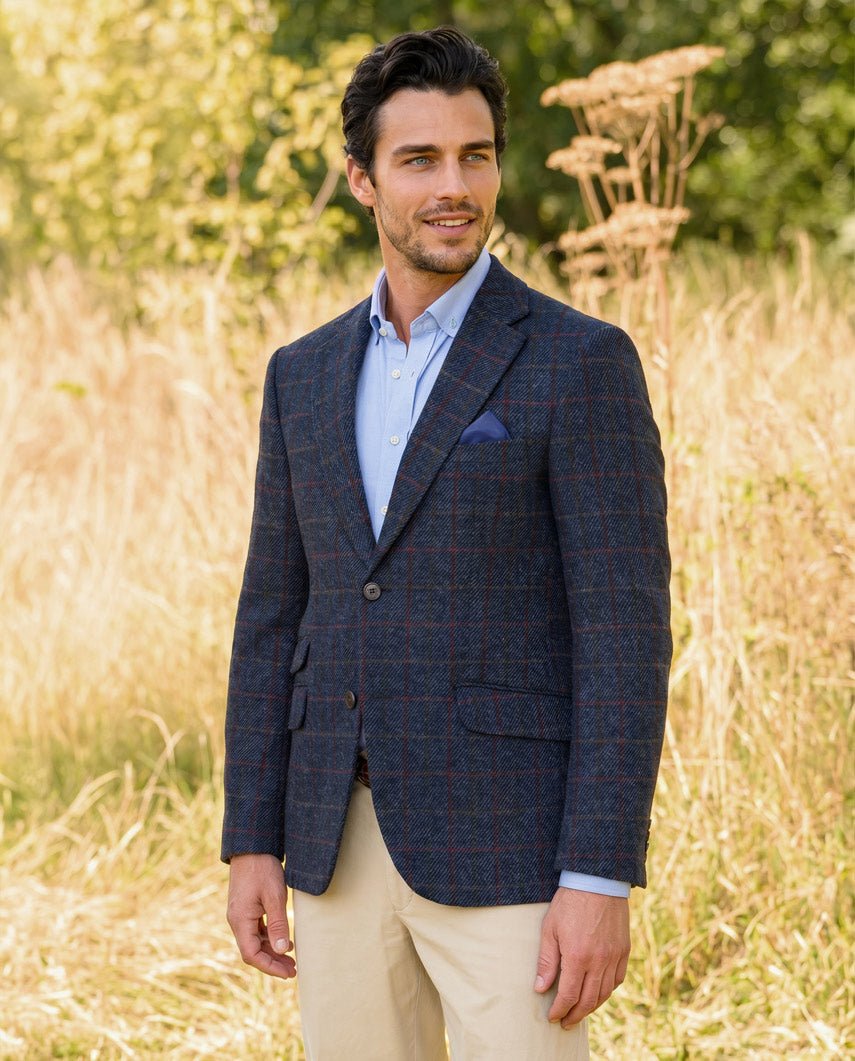
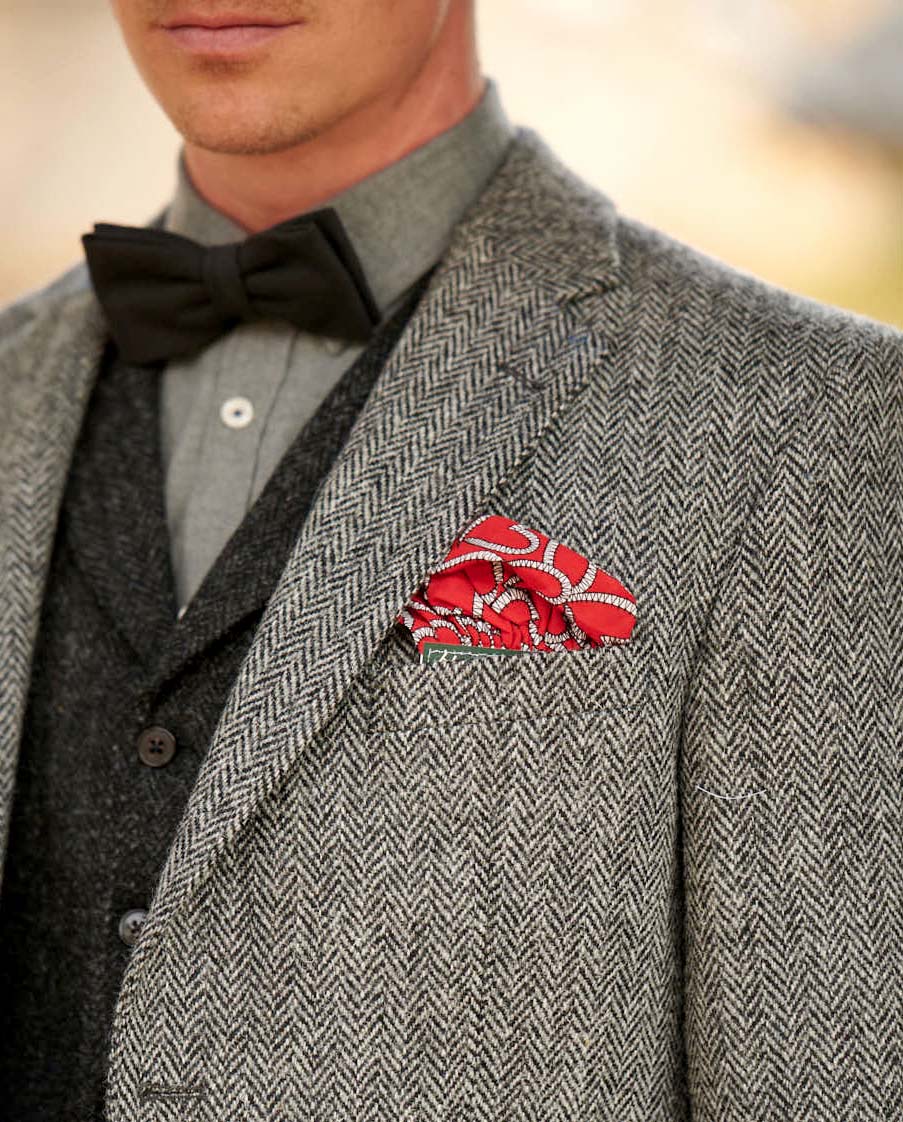
For men, a Harris Tweed jacket or a blazer with a shirt is the safe choice, with a tie and a matching pocket square in a formal setting. In a grand hotel such as the Ritz, you would wear dark suit trousers and polished leather shoes with this, preferably in tweed, wool and muted tones in winter. For a summer afternoon tea in the garden, it can be lighter and brighter, such as a linen jacket with chinos and an open shirt. For a more relaxed tea salon, a fine sweater or a vest over a shirt is sufficient. In any case, a neat, harmonious overall impression is important. Read more about the distinction between a jacket and blazer in the guide. Those who accompany the entire British summer season will also find the appropriate dress codes in the guide to Royal Ascot and British event dress codes.

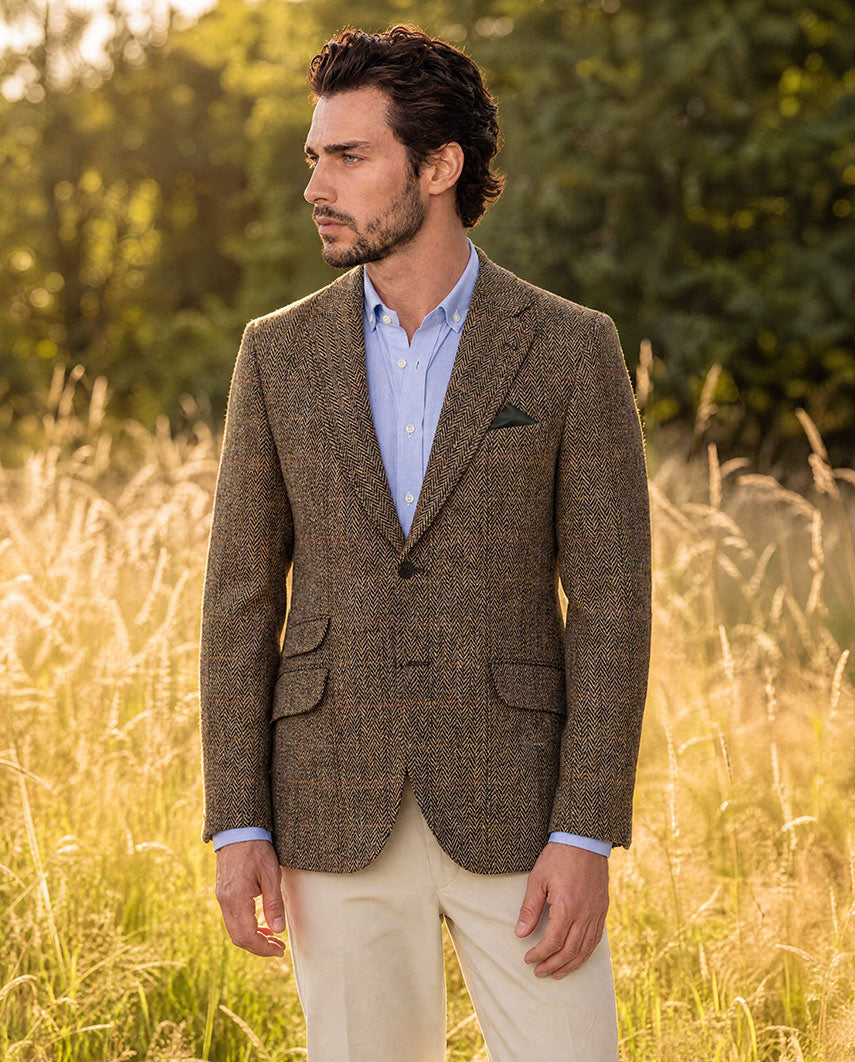
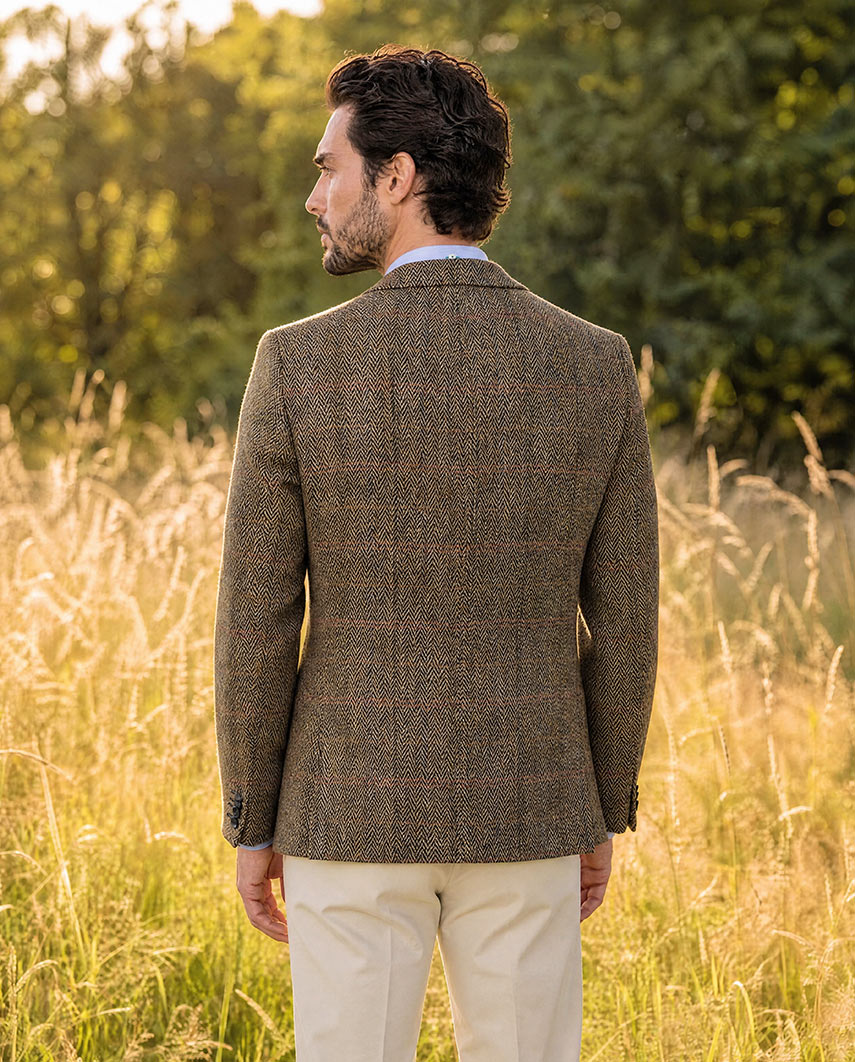
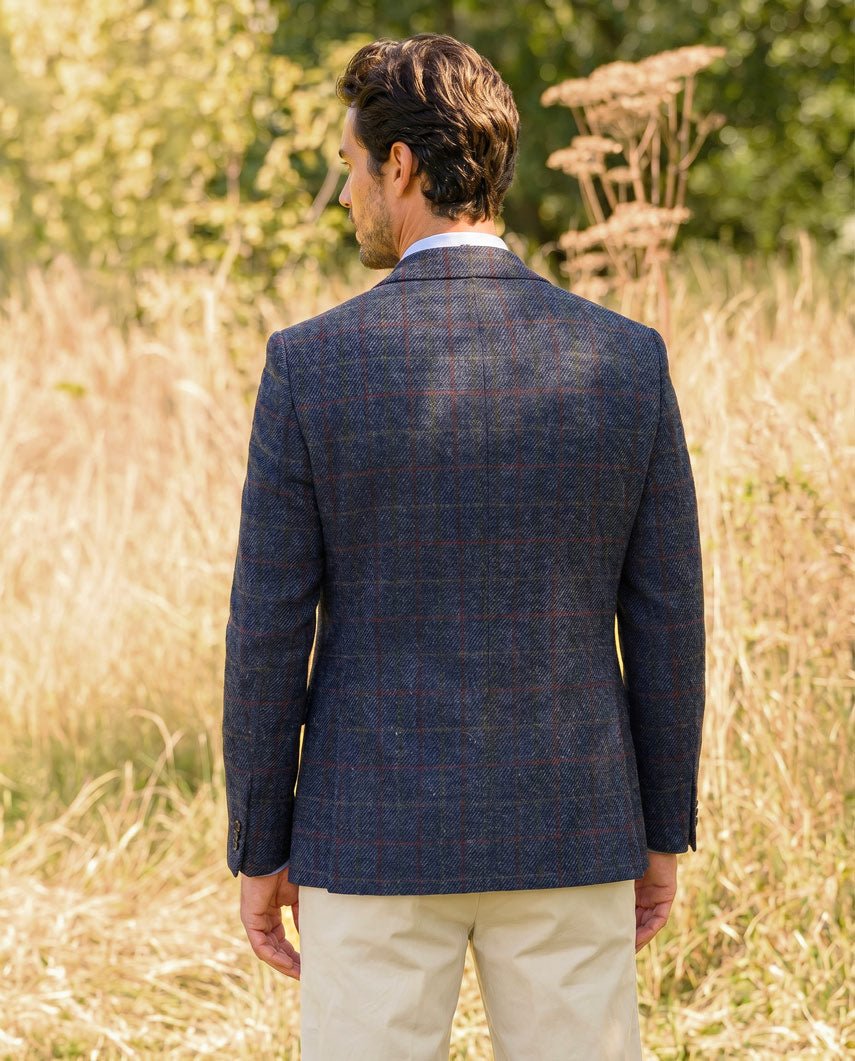
Summer jacket "London SO" made of silk in light grey check
For women
For women, a blazer with a blouse and skirt or an elegant dress in muted, festive tones are suitable. In the formal setting of a grand hotel, a sheath dress or a suit with subtle accessories looks particularly harmonious, in warmer fabrics such as wool and tweed in winter. For a summer afternoon tea outdoors, lighter fabrics, brighter colors and a fine hat or hair accessory are suitable. In a cozy tea salon, a neat smart-casual look consisting of a blouse, knitwear and slim trousers or skirt is sufficient. Subtle jewelry, a small handbag and comfortable, elegant shoes complete the look. This way, the wardrobe is appropriate for the occasion without appearing stiff.

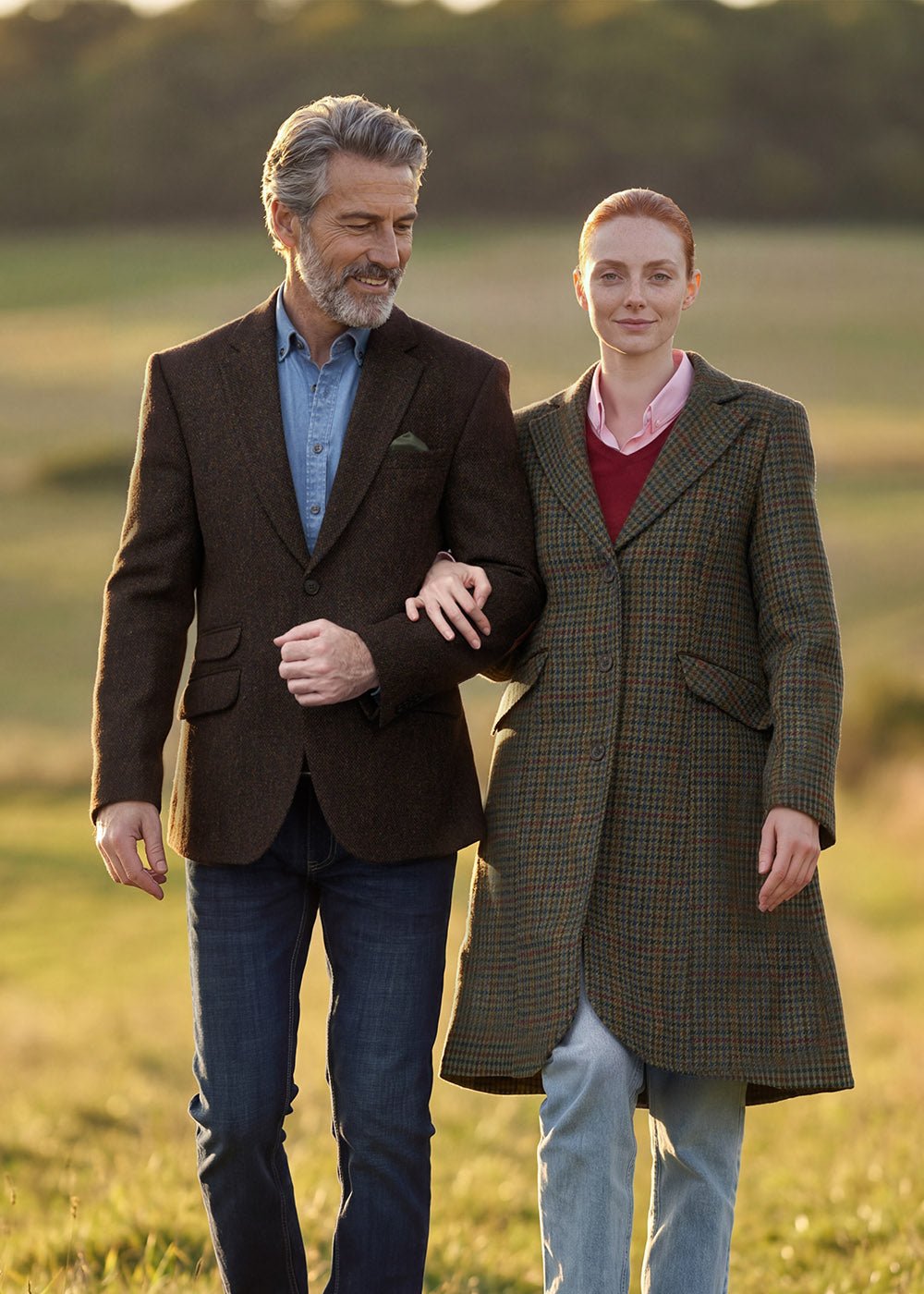
Harris Tweed Blazer "Ladiesclub" in Rose Punk Check
Afternoon tea today
Today, afternoon tea is far more than a relic of times past. Grand hotels and tea salons offer it as a festive experience, often in variants such as the Champagne Afternoon Tea. It is popular for special occasions such as birthdays or as a little break. Far beyond Great Britain, afternoon tea has developed into a cherished ritual.
Enjoying teatime at home
Afternoon tea can also be celebrated at home. This includes a good black tea, a three-tiered stand and the classic selection of fine sandwiches, scones with clotted cream and jam, as well as small pastries. A beautifully set table with porcelain and napkins turns the afternoon into a little celebration. Those who wish may follow the order and etiquette as in a fine house.
Fresh flowers, linen napkins and a little leisure create the right atmosphere, for afternoon tea thrives on taking time consciously. Those who wish may serve the tea from a teapot with a strainer and pass the milk separately, so that each guest can mix it to their own taste.
Elegant wardrobe from Wellington of Bilmore
Wellington of Bilmore offers the appropriate wardrobe for elegant occasions such as afternoon tea: Harris Tweed jackets, classic shirts and women's blazers in a British-inspired style. They combine neat elegance with high-quality materials and durability.
Frequently asked questions about teatime and afternoon tea
What is teatime?+
Teatime is the time for afternoon tea. In its festive form, afternoon tea, it includes tea, fine sandwiches, scones and pastries as a small, sociable ritual.
What is the difference between afternoon tea and high tea?+
Afternoon tea is the elegant afternoon meal with sandwiches, scones and pastries. High tea, on the other hand, is a hearty dinner and not the more refined variant.
When is teatime in England?+
Afternoon tea is usually taken between 3 and 5 p.m., often around 4 p.m. In some regions, tea also refers to an early dinner.
What do you wear to afternoon tea?+
The dress code is usually smart-casual. In fine houses, men wear a jacket and tie, and ladies dress accordingly elegantly. Sportswear and trainers are inappropriate.
What etiquette applies at afternoon tea?+
Eat in the order of sandwiches, scones, sweet treats, break scones by hand and stir the tea gently. The pinky finger held out is not a requirement.
What is a cream tea?+
A cream tea is the small variant: tea with warm scones, clotted cream and jam, without sandwiches and pastries. It is suitable as a sweet stopover in the afternoon when it is not intended to be a full meal.
What do you wear as a man to afternoon tea?+
A jacket or blazer with a shirt, with a tie and pocket square in a formal setting. In a grand hotel such as the Ritz, a jacket and tie are mandatory, while in a cozy tea salon, a neat smart-casual look is sufficient.