
Key takeaways
Who shapes British style?
British style is less the work of a single designer than the result of many influential figures over the centuries. From the tailoring craft of London's Savile Row to country life on estates and the Royal Family, various traditions have come together. The result is a visual language that prioritizes quality and understatement over flashy trends.
Savile Row: the home of British tailoring
One place embodies British style like no other: Savile Row in London. Since the 19th century, traditional tailors there have been handcrafting bespoke suits. The street is considered the birthplace of classic menswear tailoring and shaped the reputation of British clothing for fit, craftsmanship, and restraint. Many of Britain's most famous style icons had their clothes made here and continue to do so.
Beau Brummell: the origin of modern menswear
Beau Brummell, a figure of the Regency era around 1800, is considered an early pioneer. He replaced the elaborate, ornate menswear of his time with a new principle: impeccably crafted, simple clothing in muted tones, a carefully tied cravat, and impeccable cleanliness. In doing so, he laid the foundation for the modern men's suit and for the idea that true elegance is quiet and polished rather than loud. His influence is still felt today, as the principle of understated perfection continues to shape classic menswear.
The idea that a gentleman is distinguished more by impeccable cleanliness and a perfect fit than by ostentation owes much to him.
The Duke of Windsor: patterns and casual elegance
In the 20th century, the Duke of Windsor, the short-lived King Edward VIII, had a lasting impact on menswear. He popularized patterned fabrics and a softer, more relaxed cut. Closely associated with him is the Prince-of-Wales check: This plaid pattern owes its name to the title Prince of Wales, and was made popular by Edward VII before the Duke of Windsor made it famous worldwide in the 20th century. His style showed that classic clothing can have character and a personal touch without abandoning the rules of good tailoring. He also introduced Fair Isle knitwear to menswear. You can read how to combine such patterns in the guide to Combining Plaids.
Royal Style: the style of the British Royal Family
The British Royal Family has long stood for its own understated style. At country estates, tweed, waxed jackets, and sturdy boots define the look, while classic tailoring takes center stage in public. Its defining characteristic is the combination of tradition and function: clothing that suits the occasion, is weather-resistant, and can be worn for years.
The waxed jacket has been part of the Royal Family's wardrobe for decades, as has tweed for country life. This style is not designed for effect, but for durability, and that is precisely what makes it a reliable model for a timeless wardrobe.
Queen Elizabeth II and Country Style
Queen Elizabeth II was an icon of British country style. In the country, she wore waxed jackets, tweed, a headscarf, and sturdy boots for decades, focusing entirely on function and the weather. For public appearances, however, she often chose solid, bold colors so that she would be easily recognizable in a crowd. Both show the same principle: clothing follows the occasion and is worn with care for a long time.
King Charles and the principle of repairing rather than throwing away
The Royal Family's attitude is particularly evident in King Charles III, known in the English-speaking world as King Charles. He is known for classic, often double-breasted tailoring and for his commitment to sustainable materials. In 2010, while still Prince of Wales, he launched the Campaign for Wool to promote wool as a natural and long-lasting fiber.
Above all, however, he stands for the principle of repairing and continuing to wear clothing rather than throwing it away. A heavily patched waxed jacket he wore for many years is well known publicly, as are shoes and suits he has had repaired and altered instead of replaced. In doing so, he embodies a principle that was long considered a given: buy quality and use it for a long time.
Beyond his own clothing, he promotes traditional craftsmanship and the training of skilled workers in the textile industry through the Campaign for Wool and his King's Foundation. In this way, his personal style combines with a commitment to durability and craftsmanship.
Style icons from film and sport
British style was not only shaped by the Royal Family. Actors such as David Niven were also considered the epitome of polished British elegance, and the Savile Row suits worn on screen by British secret agent James Bond shaped the image of the well-dressed gentleman far beyond Great Britain. In sport, disciplines such as polo, horse riding, and rowing still stand for their own elegant wardrobe today. All these role models share the same basic attitude of quality and restraint.
What all these role models have in common is that their style was never loud, but focused on fit, good materials, and a muted color palette.
British style today
British style lives on today. The younger members of the Royal Family also appear in waxed jackets and sturdy boots in the country and in classic tailoring for official occasions. What connects the great style icons is therefore not the fashion of a particular era, but an attitude of quality, restraint, and durability. These very principles make the British country look a lasting benchmark for a polished, timeless wardrobe to this day.

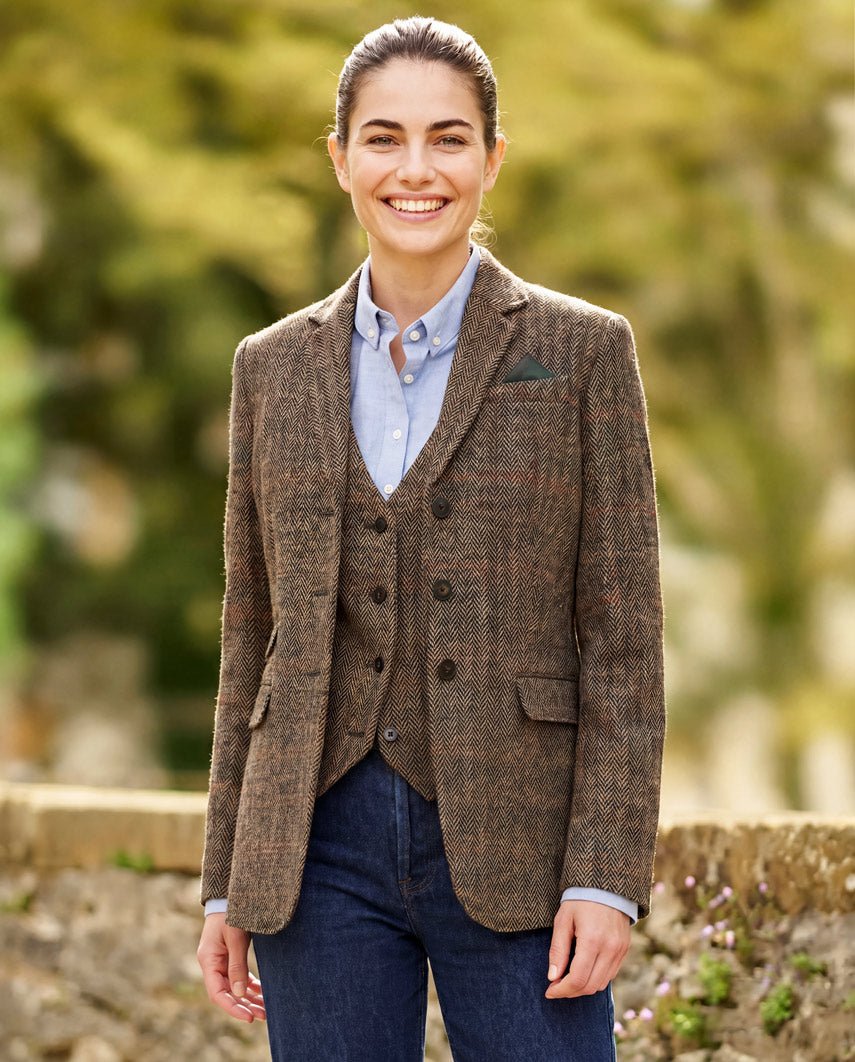
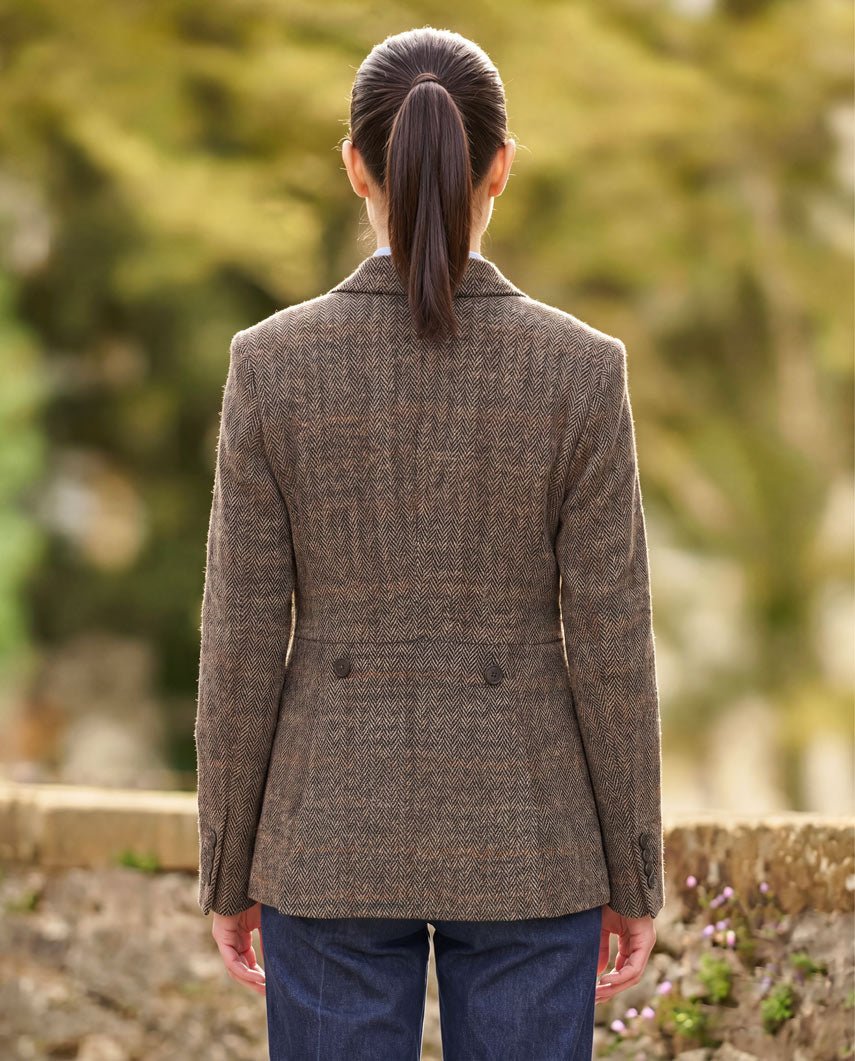
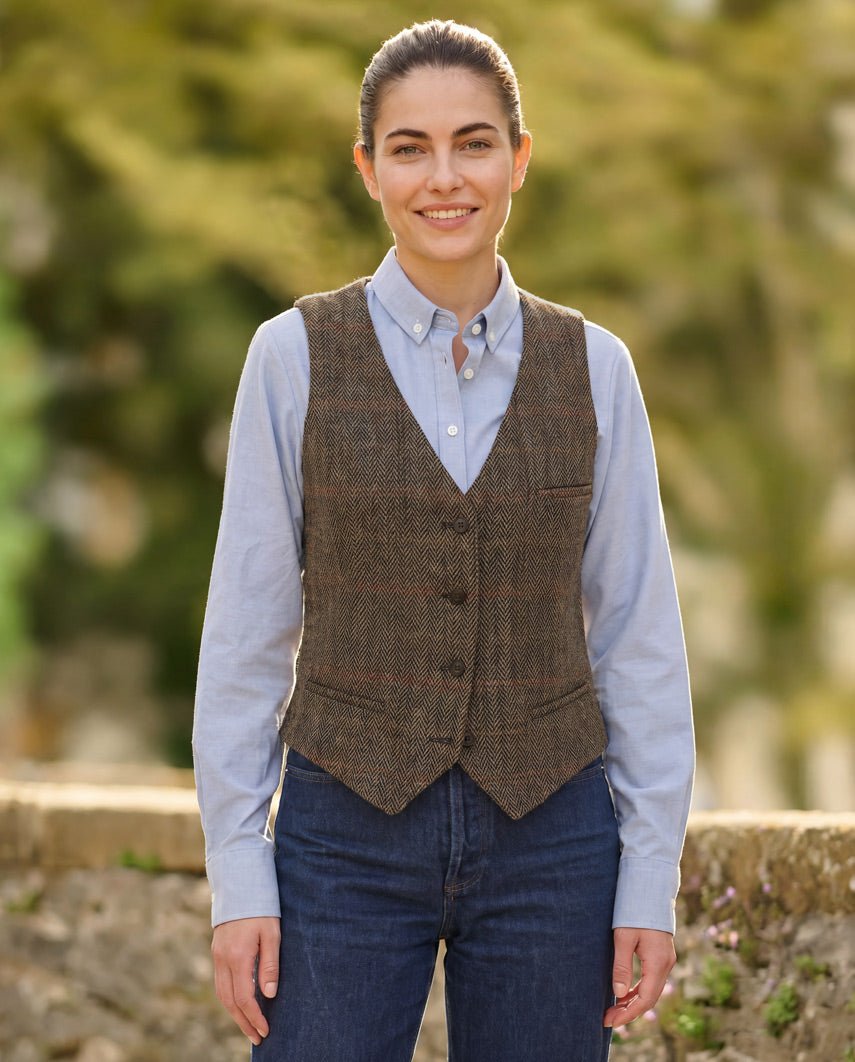
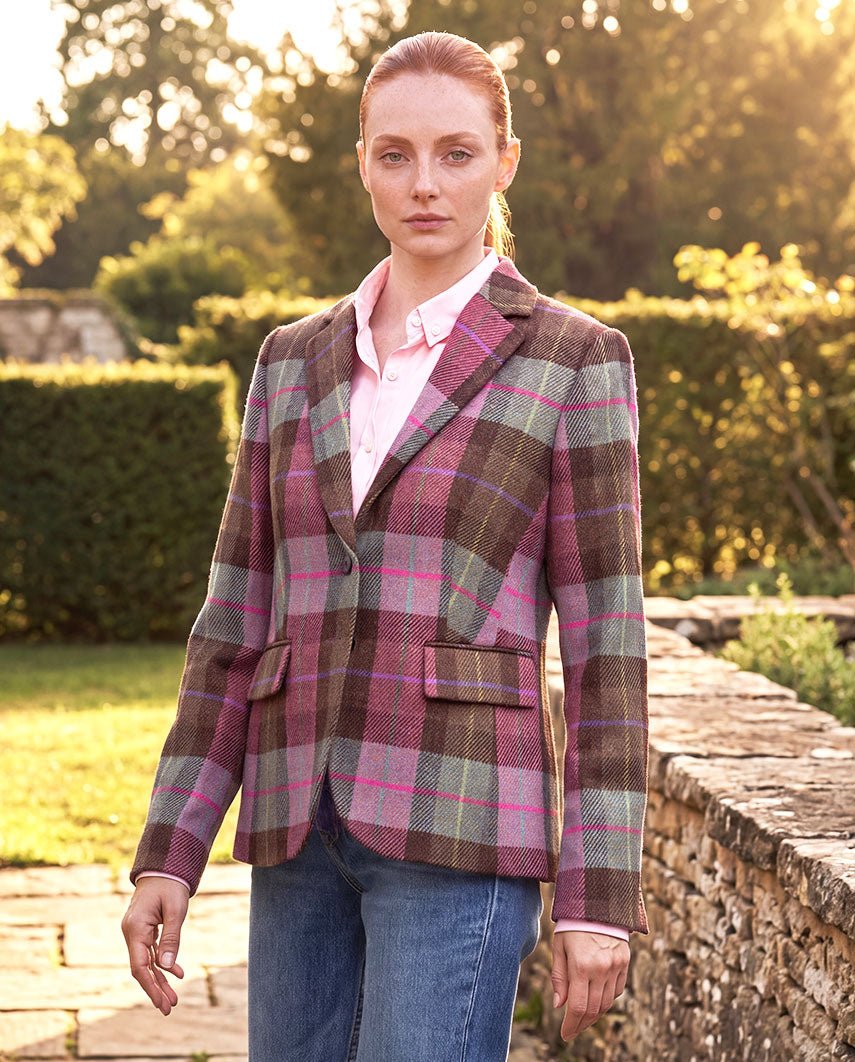
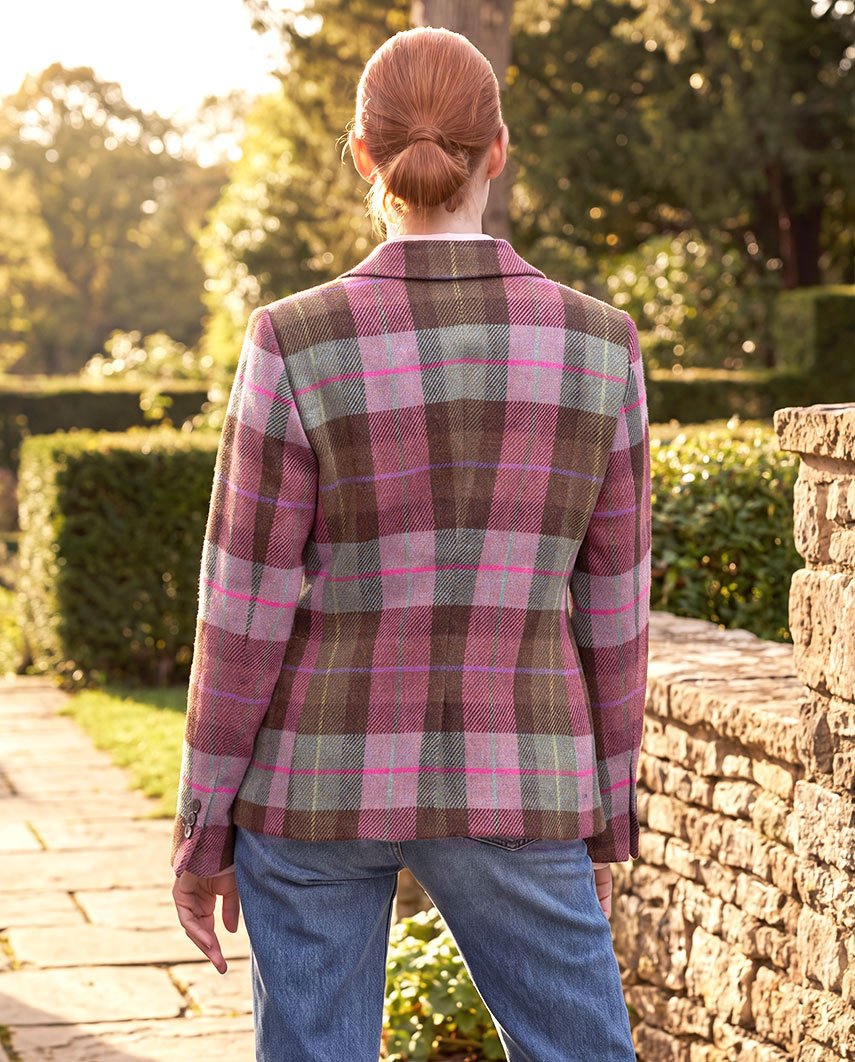
Harris Tweed Blazer "Ladiesclub" in candy check
What we can learn from British style icons
Several timeless lessons can be drawn from the style of these figures.
Focus on quality: a few high-quality pieces instead of many short-lived ones.
Exercise restraint: muted colors and classic cuts last longer.
Embrace durability: care for, repair, and continue to wear.
Pay attention to fit: a well-fitting piece is worn more often.
Build a thoughtful wardrobe: a manageable collection of classics.
Ultimately, it is less about individual names than about an attitude that is easy to adopt: choose consciously, care for it well, and wear it for a long time.
Related Articles
Timeless British Style by Wellington of Bilmore
Wellington of Bilmore is equally committed to this idea: high-quality materials, classic cuts, and clothing made to last.
Frequently Asked Questions About British Style Icons and Royal Style
Who shapes British style?
British style has been shaped over the centuries by figures such as Beau Brummell and the Duke of Windsor, as well as the Royal Family. Savile Row and the tradition of country life have also had a major influence.
What does the style of the British Royal Family stand for?
Royal Style stands for tradition, function, and durability: tweed and waxed jackets in the country, classic tailoring in public, and clothing that is worn for years.
What can we learn from British style icons?
Above all, to focus on quality and restraint, pay attention to fit, and care for and continue to wear clothing rather than following short-lived trends.
Why is repairing rather than throwing away considered royal?
Because the British Royal Family, led by King Charles III, is publicly known for repairing high-quality clothing and continuing to wear it for years instead of replacing it. Durability is seen here as an expression of style and responsibility.
Who was Beau Brummell?
Beau Brummell was a dandy of the Regency era around 1800 and is considered the founder of modern menswear. He replaced the elaborate menswear that had been customary until then with simple, impeccably crafted clothing in muted tones.
What is the Prince-of-Wales check?
The Prince-of-Wales check is a larger Glencheck pattern that owes its name to the title Prince of Wales. It was made popular by Edward VII and later by the Duke of Windsor.