
Key takeaways
What is flannel?
Flannel is a softly woven fabric with a characteristically roughened, slightly fluffy surface. This roughened finish is created by mechanically raising the fibers on the surface, usually on one or both sides. This makes flannel feel soft and keep you warm. A twill weave is often used, giving the fabric its characteristic density. Depending on the quality, cotton flannel has a fabric weight of approximately 140 to 200 grams per square meter.
What is flannel made of? Cotton and wool
Flannel is traditionally made from virgin wool, but today it is predominantly made from cotton. Both varieties have their place. Cotton flannel is the fabric of choice for soft, warm shirts and sleepwear. Wool flannel, on the other hand, is a classic suit and trouser fabric, used to make the well-known grey flannel trousers. Read more about the fiber in the guide to Virgin wool.
People often ask about the difference between flannel and smooth cotton. The fabric can certainly be made from cotton; the deciding factor is the roughened finish. While smooth cotton feels cool and flat, flannel is softer and warmer due to the raised fibers.
Why is flannel so warm? The roughened finish
There is a simple reason for flannel's warmth: the roughened finish. During the roughening process, fine fiber ends are raised on the surface, creating a fluffy layer. This layer traps air, and still air is an excellent insulator. This allows flannel to retain body heat without being thick or heavy.
This simple physical effect makes flannel an ideal fabric for the transitional season and winter, without adding bulk. That is precisely why a good flannel shirt is often warmer than a thicker, smooth shirt.
The origins of flannel
Flannel is believed to have originated in Wales. The name probably derives from the Welsh word for wool. As far back as centuries ago, a soft wool fabric was woven there that combined warmth and durability. From there, flannel found its way into the classic British wardrobe, where it is still prized for shirts and trousers today.
Properties of flannel
Flannel combines several properties that make it ideal for the cooler season.
-
Warm: The roughened finish and trapped air keep you warm reliably without adding bulk.
-
Soft and gentle on the skin: The fluffy surface feels pleasantly soft and sits comfortably on the skin.
-
Breathable: As a natural fiber fabric made from cotton or wool, flannel is breathable and regulates moisture.
-
Durable: Well-made flannel is hard-wearing and will last you through many seasons if properly cared for.
Flannel, corduroy and tweed compared
Flannel is one of several warm fabrics of the British winter. Compared to corduroy, which derives its texture from lengthwise ribs, flannel is evenly and fluffily roughened. Tweed, in turn, is a more durable, often patterned wool fabric for jackets and coats. All three combine warmth with a rich heritage and can be easily combined with one another.
Styling a flannel shirt: Country style instead of lumberjack
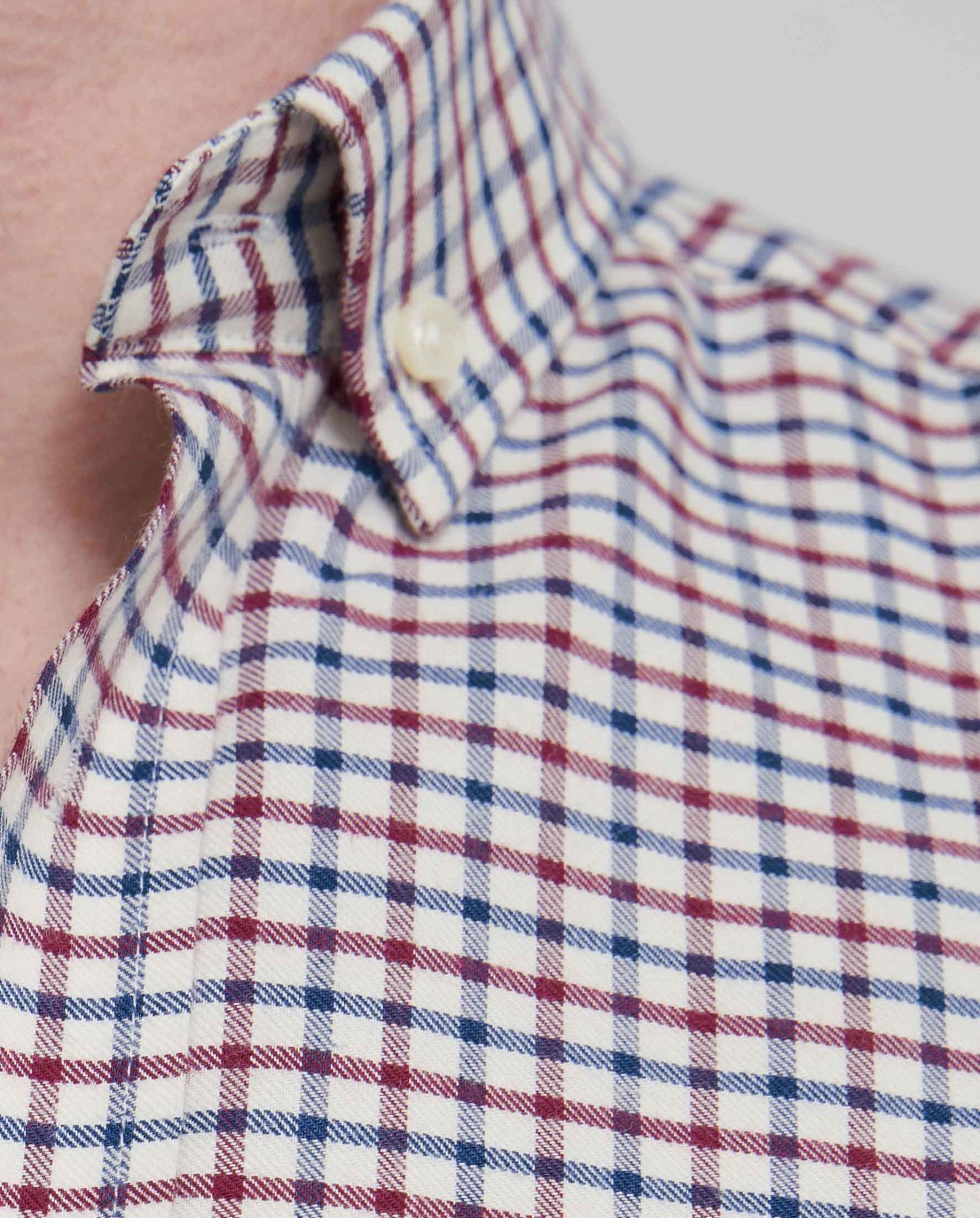
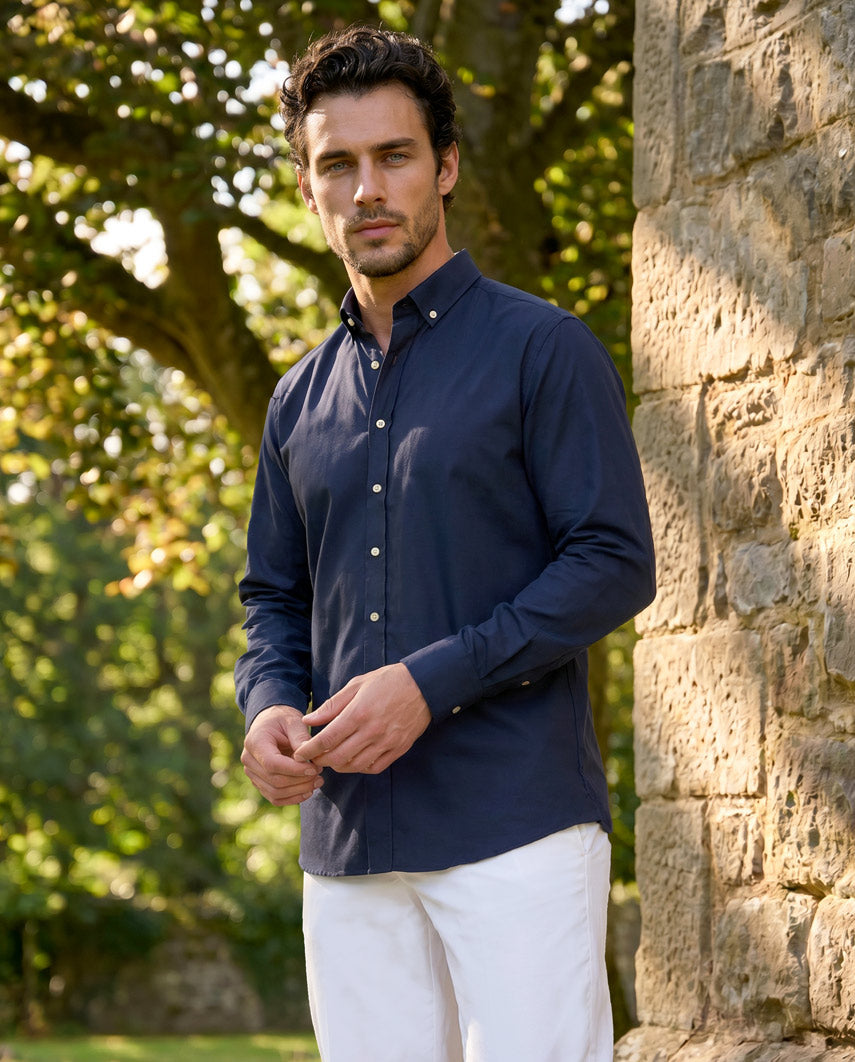
The flannel shirt has a reputation as a lumberjack shirt, but it is actually a versatile classic of British country style. The difference lies in the combination. Instead of a coarse red-and-black check, choose a finer, muted check or plain flannel shirt and wear it with quality pieces.
A flannel shirt looks particularly harmonious under a tweed jacket or knit cardigan, paired with corduroy trousers and sturdy shoes. This creates a polished country look instead of a rustic outdoor image. Fine checks such as Tattersall or Glencheck enhance this impression, as described in the guide to Combining checks.
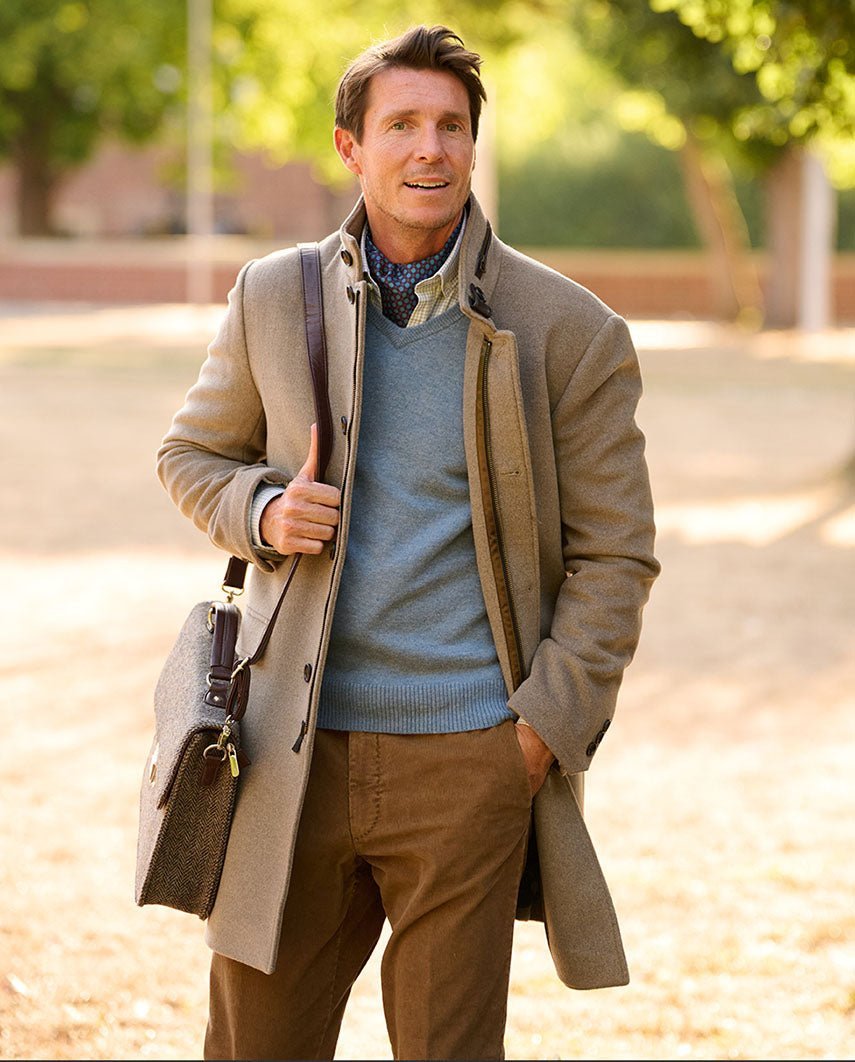
An everyday example: a fine, muted check flannel shirt under a knit cardigan, paired with brown corduroy trousers and sturdy leather shoes. Add a tweed jacket on top, and the so-called outdoor shirt becomes a harmonious look for the office and weekends.

Men's flannel shirt "Steward" in beige
Flannel shirts in the office and at leisure
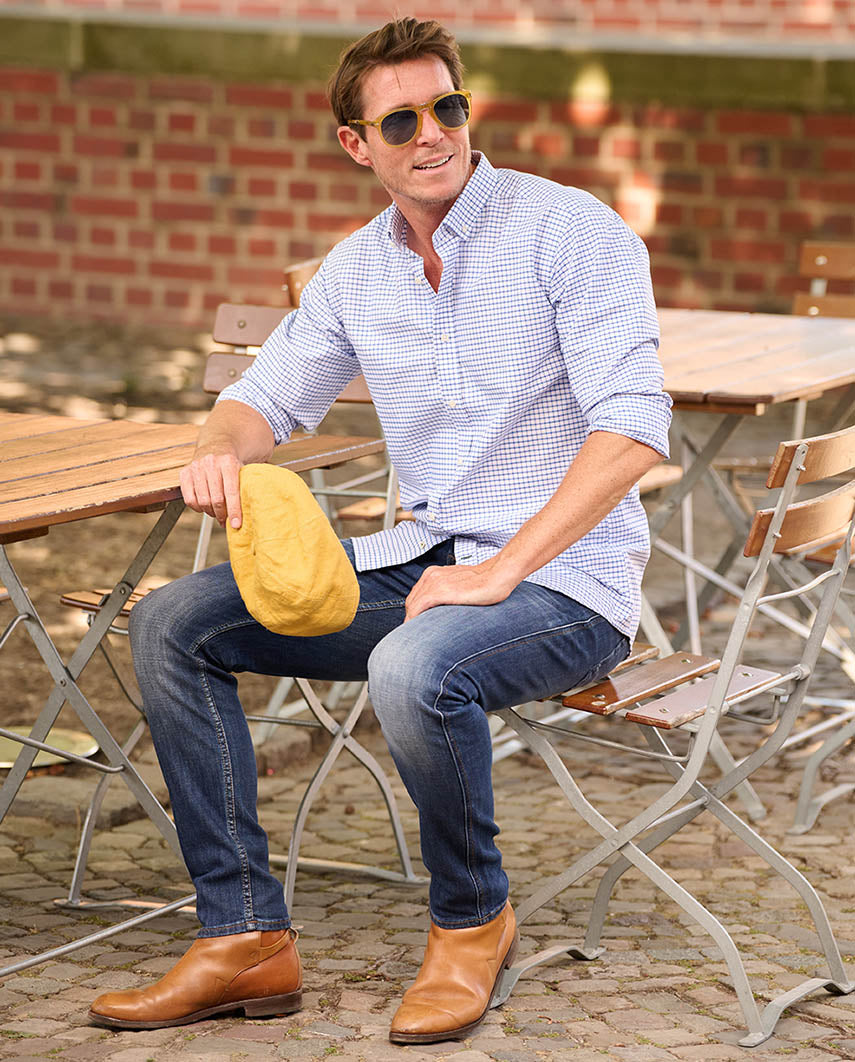
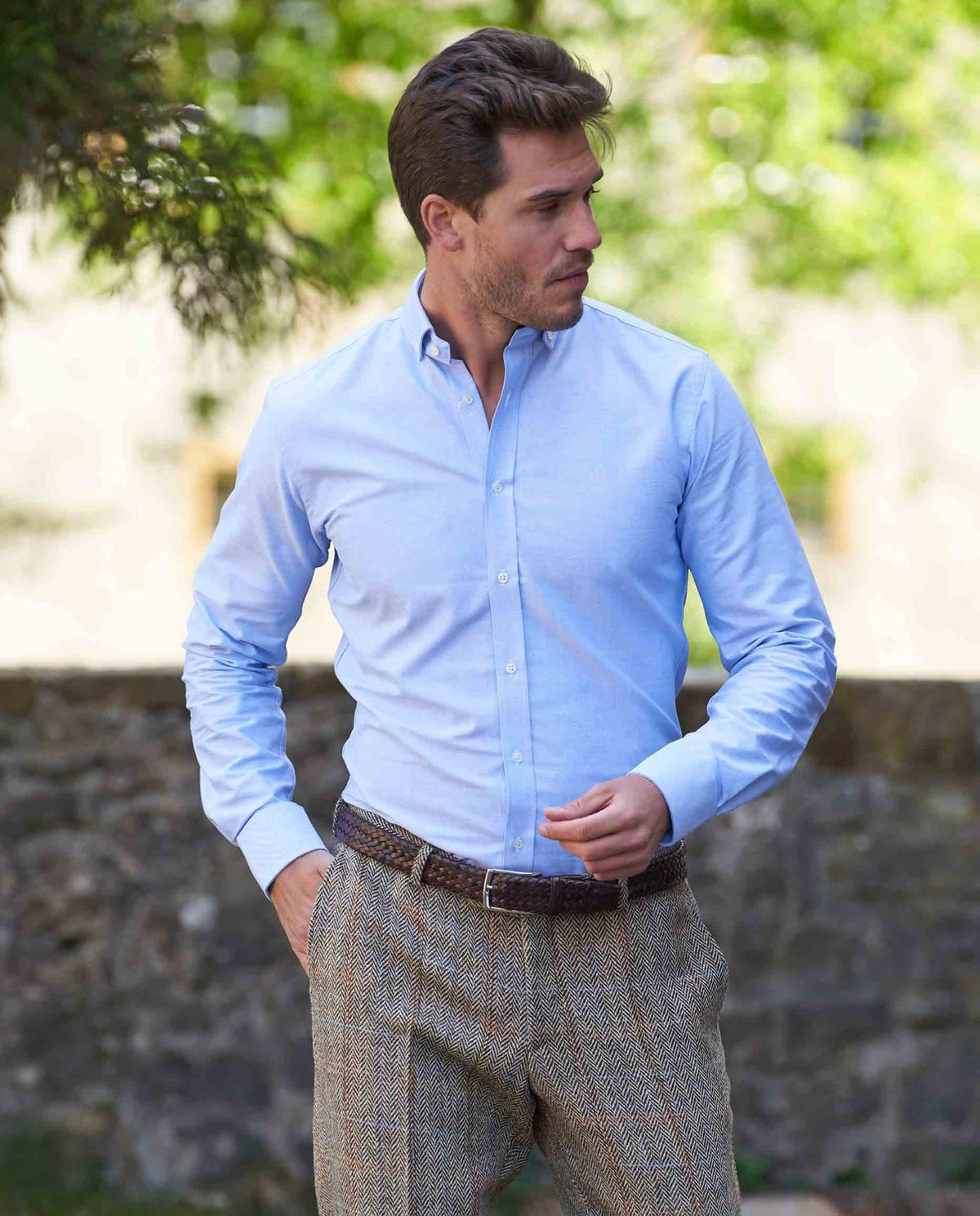
A flannel shirt can be worn for many occasions. In the office, a fine plain flannel shirt or a subtle check under a jacket looks understated and keeps you warm. At leisure, the check can be bolder, worn with a knit sweater, corduroy trousers and sturdy shoes. In both cases, a polished overall impression in muted colors remains important.
Grey flannel: the flannel trousers as a classic
Alongside the flannel shirt, grey flannel trousers are a cornerstone of the classic menswear wardrobe. These trousers made from fine wool flannel have been a classic of British tailoring for decades and can be worn in many ways, with a blazer, a jacket and fine knitwear. Their soft drape and muted color make them an elegant alternative to classic suit trousers. In grey, anthracite or navy, flannel trousers are one of the most versatile trousers for autumn and winter.
Washing and caring for flannel: step by step
Flannel stays beautiful for a long time if you treat it gently. Four steps preserve its softness and color.
Check the care label. The information on the label is decisive. Cotton flannel and wool flannel require different care.
Turn inside out. Turn the garment inside out before washing to protect the roughened surface and the colors.
Wash gently. Wash cotton flannel at around 30 degrees with a mild detergent and without fabric softener. Clean wool flannel in a wool wash cycle or take it to the dry cleaner.
Dry properly. Air-dry flannel and avoid high heat in the dryer, as this stresses the fibers and encourages shrinkage.
Our advice: Gently remove small pills on the surface with a fabric shaver. Do not wash flannel too frequently; airing it is often enough and protects the roughened surface. Store wool flannel clean and protected from moths during the summer.
Flannel for women
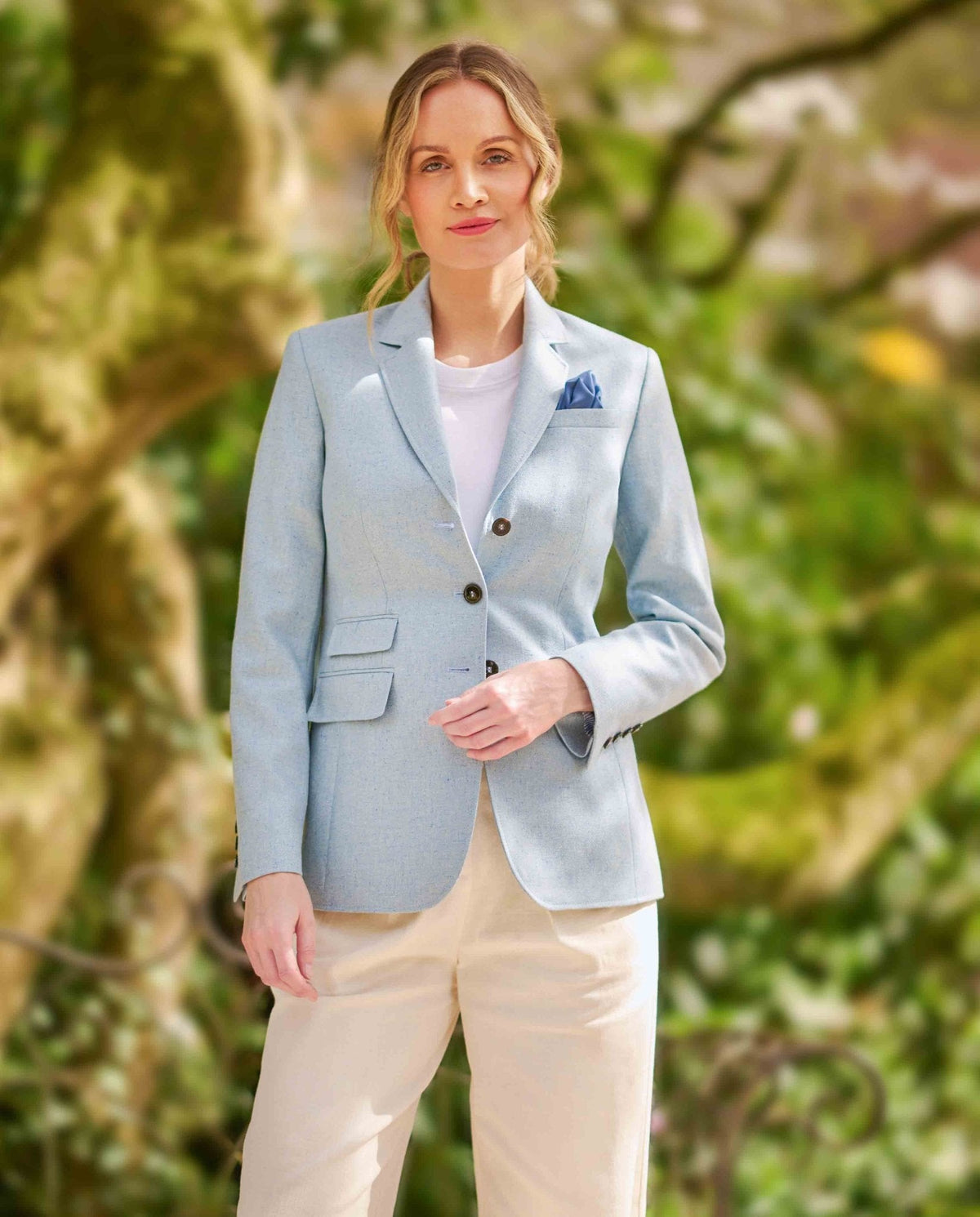
Flannel also has its place in the women's wardrobe. A flannel blouse in a muted check or plain style looks polished and warm with slim trousers, a skirt, or under a blazer. Grey or anthracite flannel trousers are also an elegant, warm alternative for the colder season. A muted, fine character is important here too: this keeps flannel elegant and never rustic.
Is flannel sustainable?
Flannel made from cotton or virgin wool consists of natural fibers that are renewable and biodegradable. As with all textiles, longevity is the deciding factor for sustainability: A well-cared-for flannel shirt or flannel trousers made from high-quality material will last you for many years and need to be replaced less often. Pay attention to material quality and, with wool, to origin and certification when purchasing.
How to recognize good flannel
There are clear differences between basic and high-quality flannel. Pay attention to a sufficient fabric weight, as flannel that is too thin barely keeps you warm and quickly loses its shape. High-quality flannel is evenly roughened, feels dense and soft, and does not fray at the seams. With wool flannel, it is worth looking at the origin of the wool and the neat finish of the edges. And finally, the roughened finish makes the difference: double-sided roughened flannel is particularly soft and warm, while single-sided roughened flannel is slightly lighter and easier to care for.
Grey flannel trousers are traditionally paired with a blazer or a tweed jacket, a shirt and fine knitwear. In this combination, grey flannel trousers have been the epitome of polished, understated elegance for decades and a warmer alternative to smooth suit trousers.
Flannel at Wellington of Bilmore
Wellington of Bilmore focuses on flannel and other natural materials in a British-inspired style. From finely checked or plain flannel shirts to warm winter qualities, the pieces stand for material quality, careful craftsmanship and longevity. This transforms the flannel shirt from a lumberjack cliché into a polished cornerstone of the country look.
Frequently asked questions about flannel
What is flannel?+
Flannel is a soft fabric with a roughened surface. The roughened finish makes it feel fluffy and keep you warm. It is usually made from cotton, but classically also from wool.
What is flannel made of?+
Flannel is traditionally made from virgin wool, but today predominantly from cotton. Cotton flannel is used for shirts, while wool flannel is used for trousers and suits.
What is the difference between flannel and cotton?+
Flannel can itself be made from cotton. The difference lies in the roughened finish: flannel is roughened and therefore softer and warmer than smooth cotton.
Why is flannel so warm?+
The roughened surface traps air, and still air is an excellent insulator. This allows flannel to keep you warm without adding bulk.
How do you wash flannel?+
Wash cotton flannel inside out at around 30 degrees with a mild detergent, without fabric softener, and air-dry it. Clean wool flannel in a wool wash cycle or take it to the dry cleaner.
How do you style a flannel shirt?+
Choose a fine, muted check or plain shirt and wear it under a tweed jacket or knit cardigan with corduroy trousers. This creates a polished rather than rustic look.
Does flannel scratch?+
No. That is precisely what makes flannel: the roughened surface makes it feel soft, not scratchy. Cotton flannel is particularly gentle on the skin, and fine wool flannel also feels comfortable on the skin.
What season is flannel suitable for?+
Flannel is the classic fabric for autumn and winter. Thanks to its warming brushed texture, it is suitable for cool days, while on milder days you would choose a lighter, single-sided brushed flannel shirt.